If you used talc-based powder for feminine hygiene and were later diagnosed with ovarian or a related gynecologic cancer, here is who may qualify for the active mass tort — and why there is no class settlement to claim yet.

Allegations Only · No Settlement Yet
This article describes allegations from product-liability lawsuits and ongoing mass tort litigation. The statements below are unproven allegations. The named manufacturers have not been found liable on a class-wide basis, there is no certified consumer class or public settlement claim form, and nothing to file at this time. This page is informational and is not legal advice.
What Is This About?
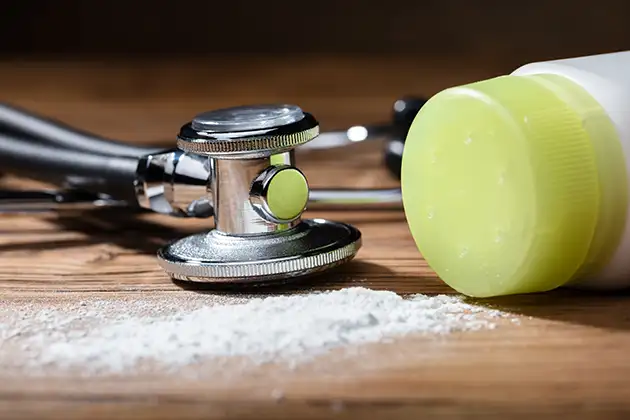
For the latest litigation status — including the active federal MDL 2738 in New Jersey and why there is currently no public settlement claim form — see our talcum powder lawsuit update page.Did you or a loved one use talcum powder for years before being diagnosed with cancer? Talcum powder is made from talc, a clay mineral mined from the earth, and is an ingredient in many hygiene products, cosmetics, deodorants, baby powders, and other personal care items.
Previously filed lawsuits allege that manufacturers of talc-based baby powder knew their product had been contaminated with asbestos as early as the 1970s and did not warn consumers. Asbestos is a known carcinogen with no safe exposure level. A 2002 study concluded that talc was unsafe for use or inhalation even when not contaminated with asbestos. These remain unproven allegations subject to ongoing litigation.
Studies have suggested that women who regularly used talc-based powder products in the genital area may have an increased risk of developing ovarian cancer. Plaintiffs allege that talc particles can enter the vagina and travel to the reproductive organs, causing inflammation and potentially contributing to the growth of cancer cells in the ovaries and other reproductive organs.
Holding Manufacturers Accountable
Plaintiffs allege that talcum powder manufacturers did not do enough to keep their customers safe and should be held accountable for both negligence and the damage they have caused. If you or a loved one was diagnosed with cancer after using baby powder or any other talc product, an attorney case review may be available.Free settlement alerts
Get notified when new class actions open to claims
Join thousands of readers who get the latest class action settlements you may qualify for — delivered straight to your inbox.