Published
January 4, 2026
A simple 2026 guide to California wage and hour rules — minimum wage, overtime, meal and rest breaks, final pay, tips, and misclassification — so you can spot what you may be owed.
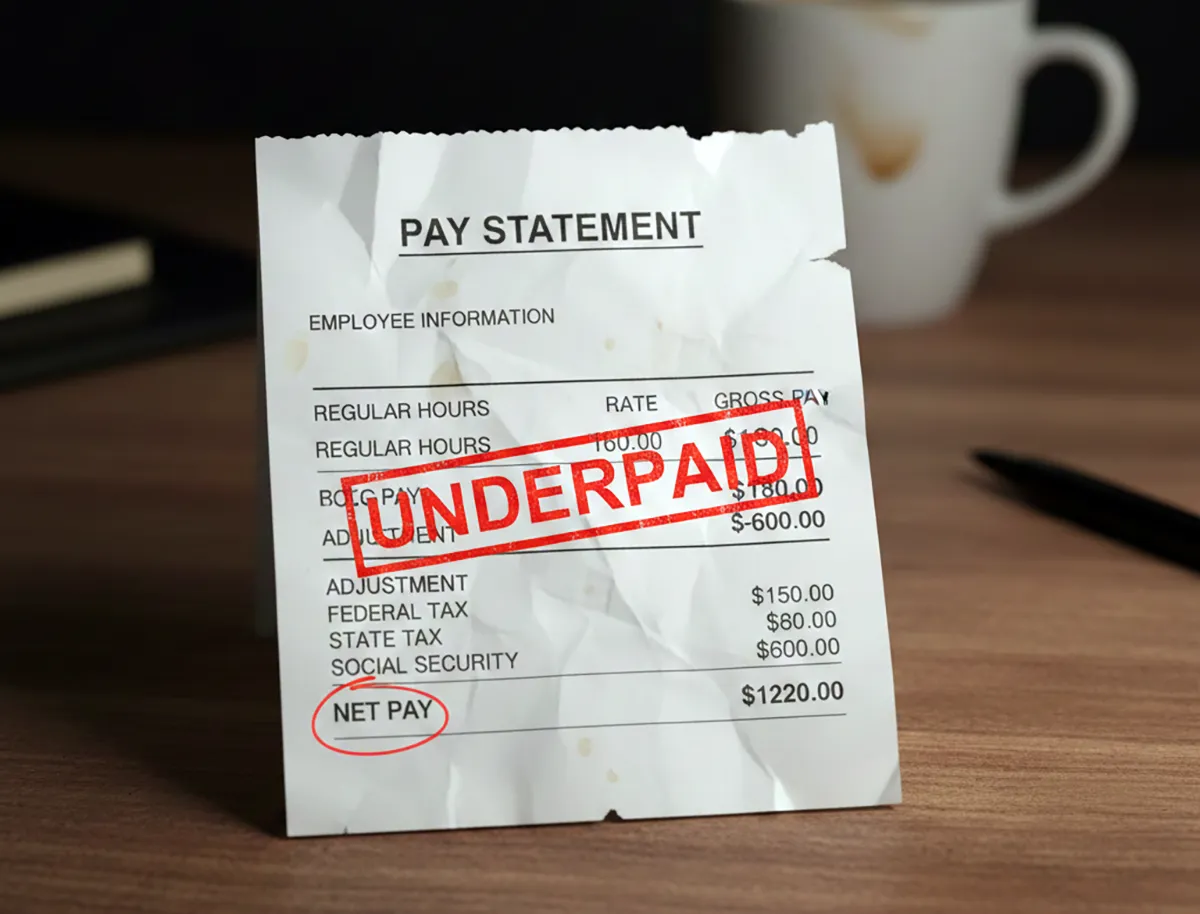

California Labor Laws and Protections for Workers
California has some of the strictest worker protection laws in the country. Even so, wage theft and wage and hour violations remain common. Below is a simple 2026 overview of the rules that most workers ask about.Minimum Wage in 2026
As of January 1, 2026, California's statewide minimum wage is $16.50 per hour. Some cities and counties require higher pay, and workers must be paid the highest applicable rate.Many salaried employees must also meet minimum salary thresholds to be treated as “exempt” from overtime. A common statewide benchmark in 2026 is about $68,640 per year.
Free settlement alerts
Get notified when new class actions open to claims
Join thousands of readers who get the latest class action settlements you may qualify for — delivered straight to your inbox.
Overtime Pay Rules
Most non-exempt employees earn:• Time and a half after 8 hours in a day or 40 hours in a week
• Double time after 12 hours in a day
• Double time after 8 hours on the 7th consecutive day of work in a workweek
Overtime is not always based only on your hourly rate. In many situations, bonuses, commissions, and shift differentials must be included when calculating the regular rate.
Worker Misclassification Is One of the Biggest California Wage Violations
A huge number of California wage claims come from:• Retail “managers” doing mostly hourly work
• Salaried employees working long hours without overtime
• Office workers labeled “administrative” but doing routine tasks
If someone should have been non-exempt, but was misclassified as exempt, everything else follows:
• Overtime becomes owed
• Break penalties apply
• Waiting time penalties can apply
Submit Claim
Meal and Rest Breaks
In general, workers are entitled to meal and rest breaks as follows:• If you work more than 5 hours, you typically must receive a 30-minute meal break
• If you work more than 10 hours, a second meal break may be required
• Non-exempt workers typically receive a paid 10-minute rest break for every 4 hours worked
If a required meal or rest break is not provided, workers are often owed one extra hour of pay for each workday the violation happens.
Off-the-Clock Work
If your job requires work before clock-in or after clock-out, that time may need to be paid. Common examples include:• Required setup or closing tasks
• Logging into computer systems or apps
• Security screenings or bag checks
• Cleaning equipment or workstations
Donning and Doffing
“Donning and doffing” is time spent putting on or taking off required gear, including protective equipment. If it is required for the job, this time may be compensable and can affect overtime.Misclassification
Misclassification is one of the most common wage and hour problems in California. Two common patterns include:• Being labeled “exempt” even though the job duties do not qualify
• Being labeled an “independent contractor” even though the company controls the work like an employee
A title alone does not decide your rights. What matters is how the work is actually performed.
Submit Claim
Final Pay and Waiting Time Penalties
If a final paycheck is late or missing wages, California rules may allow additional penalties. In many cases, the amount can add up based on how many days you had to wait, up to a maximum of 30 days.Tips and Tip Pooling
Tips belong to employees. In general:• Employers cannot use tips to meet minimum wage
• Employers generally cannot take a portion of tips for the business
• Managers and owners typically cannot share in tip pools
Time Limits
Many wage and hour issues have deadlines. A common window for unpaid wages is around three years from the most recent violation, but some situations can be different.Sources
• California Department of Industrial Relations (DIR)• DLSE (Labor Commissioner's Office)
• DLSE Overtime FAQ
• DLSE Meal Periods FAQ
• DLSE Rest Periods FAQ
ATTORNEY ADVERTISEMENT. DOES NOT CONSTITUTE MEDICAL OR LEGAL ADVICE.
Information on OpenClassActions.com is for general informational and advertising purposes. No attorney-client relationship between a reader and any OpenClassActions.com partners or law firms is created by submitting any forms. By submitting any forms on this site or partner sites, you agree that a legal representative or a partner firm may contact you.
For more open class actions keep scrolling below.