Find your state's search site
Use the state-by-state directory below, or start with the multi-state search at MissingMoney.com.
Browse by State
Tap your state to open its official unclaimed-property search — free, official, about 60 seconds. The full searchable list is further down the page.
Every U.S. state is holding cash for people who lost track of it — old accounts, uncashed settlement checks, deposits. Here is how to search all 50 states for free in about a minute.

Use the state-by-state directory below, or start with the multi-state search at MissingMoney.com.
Try current and prior legal names: maiden names, former married names, common misspellings, and nicknames. Also search for deceased relatives whose estate you may inherit from.
If the state shows a match, follow the on-site instructions to file. You will typically need a government-issued ID and proof of address from the time the funds were reported.
Most states pay approved cash claims in 30–120 days, usually by paper check; a growing number offer ACH direct deposit. Securities claims can take longer.
Recommended first stop
MissingMoney.com — the NAUPA multi-state search
Search most participating U.S. states in one go. Free. No account required to search.
Free settlement alerts
Join thousands of readers who get the latest class action settlements you may qualify for — delivered straight to your inbox.
Yes. Searching your state's unclaimed property database, and filing a claim if the state is holding money in your name, is always free. The state will never charge a fee or a percentage to release your own property. If a website asks you to pay to access search results or to file a claim, you are on the wrong site. Use only the official state treasurer or unclaimed property URLs in the directory above, or NAUPA's MissingMoney.com multi-state search.
MissingMoney.com is the multi-state search endorsed by NAUPA, the trade group of state unclaimed property administrators. It lets you search most participating states in one query rather than going state-by-state. Not every state participates, so for full coverage you should also search each state where you have ever lived or worked using that state's official site.
Common categories include dormant bank and credit union accounts, uncashed payroll or cashier's checks, refunds from utilities or insurers, security deposits, stocks and dividends, mutual fund proceeds, contents of safe deposit boxes, court deposits and trust funds, mineral interests and royalty payments, life insurance proceeds, and unused gift certificates. Most assets are turned over to the state after a dormancy period of one to five years.
Yes. If a deceased relative had unclaimed property and you are their legal heir or the administrator of the estate, you can typically file a claim. States generally require a copy of the death certificate, proof of your relationship (birth or marriage certificate), and either letters testamentary, a small-estate affidavit, or other documentation depending on the size of the claim and the state's rules.
In almost every state, there is no deadline. States hold unclaimed property in perpetuity, meaning you or your heirs can claim it years or even decades later. This is different from class action settlement deadlines, which are fixed by court order — once a class action claim deadline passes, that specific settlement check can no longer be claimed.
Once the state approves your claim, payment typically arrives within 30 to 120 days. Securities claims (stocks, bonds, mutual funds) may take longer than cash because the state must liquidate or transfer the underlying asset. Most states issue payment by paper check; a growing number now offer ACH direct deposit.
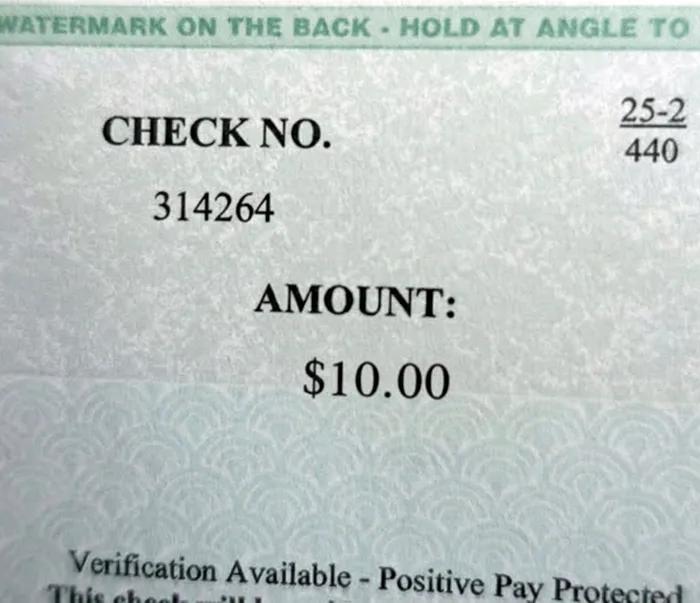
Yes, and the rules are set by each state. New York’s Comptroller, for example, says a check issued on an approved claim can be cashed until December 31 of the following calendar year, and after that the owner has to file a new claim; New York also pays by paper check only, with no direct deposit. Other states set their own check rules, so the instructions sent with the payment or the state program’s website are the place to confirm them. The guide to verifying and cashing a New York Comptroller check covers New York’s rules in detail.
Almost never. Every U.S. state offers free search and claim tools through its treasurer's office. Some states cap the fees finder services can charge (commonly 10 percent), but you can do the exact same search yourself in a few minutes. A reputable finder service is a fine choice only when an estate is complex, multiple states are involved, or the claim involves securities that require specialized handling.
Tax treatment of recovered unclaimed property depends on the original source of the funds and your individual circumstances. For tax questions, consult a qualified tax professional or the IRS directly.
Unclaimed money is real. Every U.S. state and several federal agencies hold billions of dollars in lost or forgotten property — old bank accounts, uncashed checks, security deposits, insurance proceeds, stocks, and more — waiting for the rightful owner to claim it. Searching and claiming through an official state or federal site is always free. The scams are the look-alike sites and "finder" services that charge a fee for something you can do yourself for free, so always start from an official state-treasurer or .gov search.
State programs hold most unclaimed money, but several federal agencies hold some too. Check the IRS for unclaimed tax refunds, the Pension Benefit Guaranty Corporation (PBGC) for unclaimed pensions, the U.S. Department of Labor's Workers Owed Wages tool for unpaid back wages, and HUD for FHA mortgage-insurance refunds. Matured U.S. savings bonds are now searched through your state's unclaimed property program. USA.gov links to these sources in one place, and every federal search is free.

 HOT
HOT
 HOT
HOT
 HOT
HOT