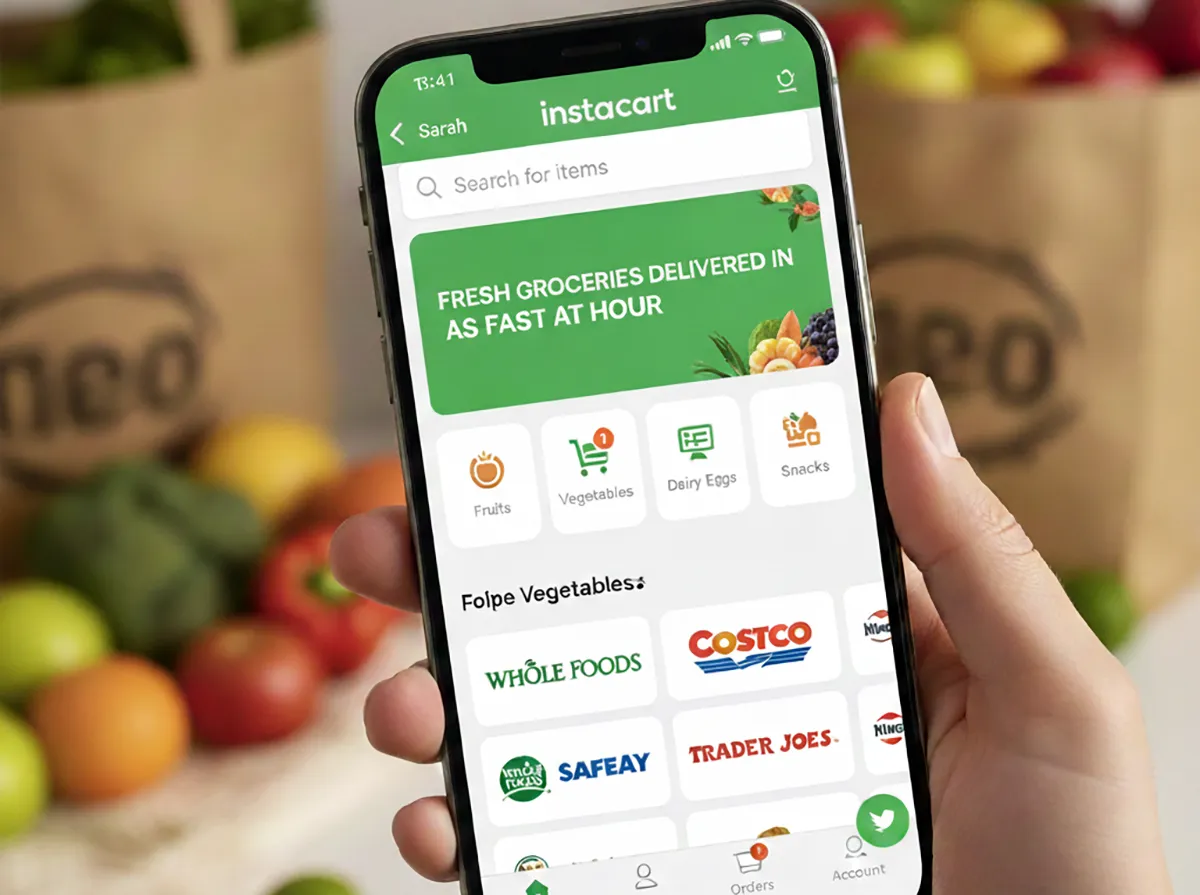
What is the $60 Million Instacart Settlement About?
You may be part of a new $60 million settlement with Instacart, which was reached with the Federal Trade
Commission (FTC).
The FTC claims that Instacart's ads and checkout process misled customers about what they
would pay, and that some people may have been signed up and charged for an annual membership without clearly
agreeing to it. According to the settlement, Instacart used deceptive pricing, false advertising, and
illegally implemented automatic subscription renewals.
Instacart did not admit wrongdoing, but it agreed to the court order to end the case and follow new rules
going forward.
How Much Money Is Instacart Paying?
Instacart will pay a $60,000,000 monetary judgment in favor of the FTC and American consuemrs. The FTC will
deposit the
money into a fund to be used for consumer relief, including refunds.
Who May Be Eligible for Refunds?
Settlement refunds would generally be aimed at consumers impacted by the practices described
in the
order, such as allegedly misleading “free delivery” promotions, allegedly misleading “satisfaction
guarantee” refund promises, and alleged subscription charges tied to free trials or annual memberships
without proper consent.
If you believe you were affected, it is smart to keep your Instacart receipts, membership emails, and
billing history.
Will There Be a Refund and Can I Actually Get Paid?
This case includes a $60,000,000 payment that Instacart must make as part of the FTC settlement. That money
is intended for consumer refunds and related consumer relief if the FTC decides refunds are practical to
issue.
However, this is not a traditional class action settlement with a public claim form right now. Instead, this
is an FTC enforcement case. That means the FTC controls if, when, and how refunds are sent.
Who Would Get a Refund if One Happens?
If refunds are issued, they would generally go to Instacart customers who were affected by the practices
described in the case. This includes people who may have been misled by “free delivery” advertising, unclear
fees, refund promises, or subscription charges that happened without clear consent.
The court order does not list specific eligibility rules yet. In FTC cases like this, refunds are often sent
automatically using company records such as billing history and account data, rather than through a claim
form.
When Would Refunds Be Sent?
There is no refund date listed in the court order.
If the FTC decides to issue refunds, it usually takes months. The FTC first reviews consumer data, decides
who qualifies, and determines whether refunds can be issued directly. If refunds happen, they may be sent by
check, PayPal, prepaid card, or another method chosen by the FTC.
What Is Happening Next?
Next, Instacart must pay the $60 million and follow strict new rules about advertising, delivery fees,
refunds, and subscriptions. The FTC can also require Instacart to provide customer data to help with
refunds.
The FTC will decide whether direct refunds are possible and worthwhile. If refunds are not practical for
some or all consumers, the FTC can use the money for other consumer-related relief, and any remaining funds
go to the U.S. Treasury.
What Are the Odds I Will Get Paid?
There is a real chance of refunds in FTC cases, but there is no guarantee for any individual consumer.
Your chances are higher if you were clearly affected, such as being charged for an Instacart membership you
did not knowingly agree to, or paying fees that were not clearly disclosed. Your chances are also higher if
the FTC can identify you directly through Instacart's records.
The most important thing you can do right now is keep your Instacart emails, receipts, and billing records.
If the FTC announces refunds, you may not need to do anything at all, but having records helps if questions
come up.
OpenClassActions.com will update this page if the FTC announces an official refund process or consumer
payment details.
Do I Need to File a Claim Form?
There is no public claim form or a consumer deadline as of yet.
If and when an FTC refund process is launched, it is usually announced through official FTC communications
and can
include instructions for consumers. We will update this page if a public refund process is announced.
Rules About “Free Delivery” and Delivery Costs
The FTC settlement restrains Instacart from misleading consumers about the amount they will pay for delivery
orders,
whether other fees apply, and whether delivery is truly free or discounted.
It also requires that if Instacart represents free delivery or discounted delivery, it must clearly and
conspicuously disclose that other fees may still apply, other than government charges.
Rules About Satisfaction Guarantees and Refund Claims
This $60 million settlement addresses advertising that suggests a “satisfaction guarantee,” “money-back
guarantee,” or similar
promises that imply a consumer can obtain a full refund.
It restricts Instacart from failing to clearly disclose material limitations on refunds and from
misrepresenting whether refunds are available or how the refund policy works.
It also requires disclosure about what type of remedy is being offered, such as refund, credit, or another
remedy, and how a consumer can obtain it.
Rules About Subscriptions and “Negative Option” Billing
Instacart was accused of using a “Negative Option Feature,” which is a billing setup where silence or
failure to
cancel can be treated as acceptance of continued charges. This is commonly associated with free trials that
convert into paid subscriptions.
The FTC's and Court order has restrained Instacart from misrepresenting any material fact about a negative
option subscription,
including whether it exists, the terms, cancellation steps, deadlines to prevent charges, and refund
conditions.
It also requires clear and conspicuous disclosures of material terms before collecting billing information,
including the amount and frequency of charges, any increase after a trial, and the deadline or frequency to
stop charges.
Finally, Instacart is forced to require expressed informed consent before charging a consumer and requires
affirmative
consent to the negative option offer.
What Else Does the Instacart Settlement Provide?
The order includes compliance reporting and recordkeeping provisions.
Instacart must provide customer information to enable the FTC to administer consumer redress if requested,
and the company must retain certain records for five years, including consumer complaints, refund requests,
and a representative sample of marketing materials related to the subject matter.
How Do I Find Class Action Settlements?
Find all the latest class actions you can qualify for by getting notified of new lawsuits as soon as they are open to claims:
This page is for informational purposes only. OpenClassActions.com is a consumer news site and is not the
FTC,
a settlement administrator, or a law firm.
If the FTC announces a consumer refund process, follow only official instructions and submit only truthful
information. Keep documentation like receipts, membership emails, and billing history in case you need it
later.