Published
December 3, 2025
Updated
September 6, 2026
U.S. consumers who paid for apps, games, subscriptions or in-app purchases through Google Play Billing between August 16, 2016 and September 30, 2023 will be paid automatically from Google’s records by PayPal or Venmo, at a $2 minimum and more for heavier spenders, under a $700 million antitrust settlement with 52 state and territory attorneys general. There is no claim form to file; people who cannot be paid automatically can register on the official settlement site to be notified when a supplemental claims process opens.

What is the Google Play Store Antitrust Settlement About?
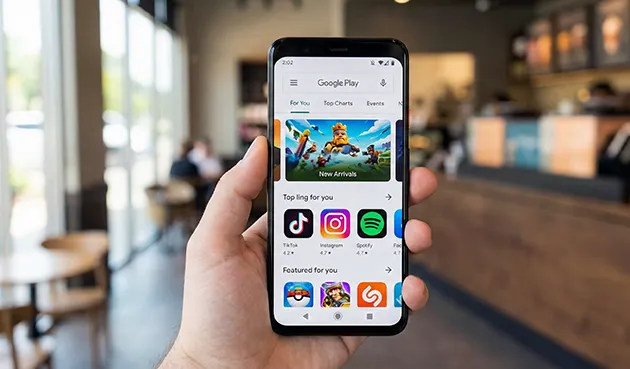
You may be part of a new $700 million consumer antitrust settlement reached with Google over allegations that it used its control over the Google Play Store to suppress competition and raise prices on Android apps and in app purchases to consumers.A coalition of 53 attorneys general alleged that Google restricted rival app stores, pressured developers to use Google Play billing, and charged high fees that were passed on to consumers. Nearly every state and territory joined the Google lawsuit. Google denies wrongdoing but agreed to settle to avoid the costs and risks of continued litigation.
Google has been the target of other class action and lawsuit cases including the multibillion-dollar Search Monopoly lawsuit the U.S. Department of Justice won at trial and the AdTech Monopoly case where Google was found to have illegally dominated the display-ads market. There is also the $30 million YouTube children’s privacy settlement, which is closed to new claims; its deadline was January 21, 2026.
Status
Final Approved — Payments Distributing
final approval granted April 30, 2026
Registration
Open Now
register on the official site to be notified when the supplemental claims process opens
Estimated Payout
$2.00 Minimum · Pro Rata
higher payments for heavier Google Play spenders (Aug 16, 2016 – Sep 30, 2023)
How You Get Paid
Automatic via PayPal or Venmo
no claim form for most consumers; supplemental claims process for those who can't be auto-paid
Proof Required
No
Got an Email Titled “Notice to Consumers Who Made Payments Through the Google Play Store”?
If you received an email with a subject line like “Notice to Consumers Who Made Payments Through the Google Play Store” on January 6, 2026 (or recently), you are not alone. Millions of Americans are getting similar emails about a new settlement with Google over its Android Play Store business practices.The Google Play email says this: Google's records suggest you may have paid for something through Google Play Billing from August 16, 2016 to September 30, 2023. A “Qualifying Purchase” usually means something like:
• Paying for an app,
• Paying inside an app (in app purchases in games),
• Paying for a subscription,
• Paying for an ad free upgrade, as long as it was processed through Google Play Billing.
Most people do not need to submit a claim form to get paid. The Court granted final approval on April 30, 2026, and most automatic payments will go out via PayPal or Venmo to the email address or phone number tied to your Google Play account. If your Google Play email or phone number does not match a PayPal or Venmo account, the notice typically says you can create an account or redirect the payment. If you cannot receive an automatic payment, you can register on the official settlement site to be notified when the supplemental claims process opens (a separate step for people who did not get paid automatically or who need to update their contact info).
If you want to double check what the email says using the official site mentioned in the notice, you can review the “Claim Form Website” section below or visit: Google Play State AG Antitrust Litigation .com.
Free settlement alerts
Get notified when new class actions open to claims
Join thousands of readers who get the latest class action settlements you may qualify for — delivered straight to your inbox.
What is the Total Settlement Amount?
The settlement totals $700 million. Of that amount, $630 million is allocated for consumer restitution and $70 million is allocated to states for penalties, fees, and other costs, subject to Court approval.How Do I Qualify For a Payout?
You may qualify if you made purchases on the Google Play Store between August 2016 and September 2023 and were harmed by the alleged anticompetitive conduct. Eligible transactions generally include paid apps, in app purchases, and app or game subscriptions that were processed through Google Play billing.How Much Can I Get Paid?
Each included consumer will receive at least $2. Additional money will be distributed pro rata based on how much each person spent on qualifying Google Play purchases during the settlement period compared to all other eligible consumers, after Court approved fees, costs, and state payments are deducted. People who spent more on apps, games, in app purchases, and subscriptions are expected to receive larger payments.How Do I File a Claim?
In most cases you do not need to file a claim. The Court granted final approval on April 30, 2026, and the settlement administrator will use data from Google to calculate each eligible consumer's payment and pay them automatically using PayPal or Venmo to the email address or mobile phone number associated with their Google Play account.A supplemental claims process will be available later for people who do not receive automatic payments or cannot use PayPal or Venmo. If you want to be notified when that supplemental claims process opens, you can submit your name, email, and mobile phone number on the official settlement website at GooglePlayStateAGAntitrustLitigation.com.
Who Will Need to File a Claim?
Most eligible consumers will not need to file a claim because payments will be sent automatically through PayPal or Venmo to the email address or mobile phone number associated with their Google Play account.A separate, supplemental claims process will be available later for people who do not receive an automatic payment. You may need to file a claim if:
• You do not have a PayPal or Venmo account and do not want to create one;
• You no longer have access to the email address or mobile number tied to your Google Play account;
• You were expecting a payment from the settlement but never receive one.
In most cases, you do not need to file a claim to receive a payment. Most eligible consumers will be paid automatically using Google's internal purchase records after the Court grants final approval.
The form currently available on the settlement website is a contact information form, not a claim form. Completing it is optional and is only meant for people who may have trouble receiving an automatic payment.
Who Should Complete the Contact Information Form?
Most eligible consumers should not complete any form and will receive payment automatically through PayPal or Venmo. You can submit contact information form if:• You do not have a PayPal or Venmo account and do not want to create one;
• You no longer have access to the email address or mobile phone number tied to your Google Play account;
• You believe you are eligible but are concerned you may not receive an automatic payment.
What is the Claim Form Deadline?
There is no standard claim form deadline for most consumers because payments will be made automatically wherever possible. A separate deadline will be set for the supplemental claims process for people who did not receive automatic payments or need to update their information. That date is posted on the official settlement website.What Does “Google ID” Mean on This Form?
The term “Google ID” is not clearly defined and can mean different things. Based on guidance from Google Play support in other settlements, it may refer to either the Google account email you used with Google Play, or your Google Payments Profile ID linked to Google Pay.Google has acknowledged that this wording is confusing, and even Google support has stated that some settlement forms use the term incorrectly. There is no single Google ID that consumers are expected to easily find.
This form is not required for payment, and most consumers can leave the Google ID field blank. If you are unsure, the safest option is to contact the settlement administrator directly for clarification rather than guessing.
Key Deadlines & Milestones
• Exclusion (opt out) deadline: February 19, 2026 (passed)
• Objection deadline: February 19, 2026 (passed)
• Final approval hearing: April 30, 2026 (held — Court indicated final approval will be granted)
• Automatic PayPal/Venmo payments: distributing following final approval and any appeals
• Supplemental claims process: opens after automatic payments are processed (deadline to be announced on the official settlement website)
• Registration to be notified when the supplemental claims process opens: open now on GooglePlayStateAGAntitrustLitigation.com
When Will Settlement Payments Be Sent?
A California federal court granted final approval to the $700M settlement on April 30, 2026. Once any appeals are resolved, the settlement administrator will begin sending automatic restitution payments to eligible consumers. Each consumer will receive an email from PayPal or a text from Venmo at the email address or mobile number tied to their Google Play account. If that email or phone is connected to an existing PayPal or Venmo account, the payment lands automatically; otherwise, the recipient can create an account or redirect the payment to a different PayPal or Venmo address. Large multistate consumer settlements typically begin sending payments within several months of final approval, but exact timing depends on claims administration and any post-approval appeals.Is Proof Required to Receive a Payment?
Most people will not need to upload proof. For consumers who still have an active Google Play account and matching contact information, eligibility and payment amounts will be based on Google Play transaction data that is already in the settlement records.If you later participate in the supplemental claims process because you did not get an automatic payment, you may be asked to verify your identity and provide updated contact information so that your historical purchases can be located.
Background on the Google Antitrust Lawsuits
In December 2020 and July 2021, New York Attorney General Letitia James and coalitions of state attorneys general filed antitrust lawsuits accusing Google of illegally maintaining monopoly power in online search and in the Android app and in app payment markets. The states said Google used exclusionary contracts, technical restrictions, and high fees to shut out rival app stores, force developers to use Google Play Billing, and charge consumers up to 30 percent on many app and in app purchases.In December 2023, a bipartisan group of 53 attorneys general announced a $700 million resolution of the Google Play Store case. Under that agreement, Google will pay $630 million into a consumer restitution fund and $70 million to the states, and must make changes that open Android devices to more competition from alternative app stores and billing systems.
On December 3, 2025, Attorney General James issued a consumer alert with new information about how eligible users will receive payments from the settlement and key dates for exclusion, objections, and court approval. According to that alert, most eligible consumers will receive automatic payments through PayPal or Venmo if the Court grants final approval.
Google Play Class Action Lawsuit - Allegations
The class action lawsuit brought fourth by multiple attorney generals allege that Google used anticompetitive contracts and technical restrictions to keep rival app stores off Android devices and to steer developers into using Google Play billing with high fees. Google denies all liability. The parties reached a settlement that provides cash restitution to consumers and requires Google to change certain Google Play Store practices going forward.What Are My Options?
• Receive payment automatically if you are included and do nothing. Most eligible consumers will get automatic payments after final approval.• Exclude yourself by February 19, 2026, if you want to keep the right to bring your own lawsuit against Google. If you opt out, you will not receive a payment from this settlement.
• Object by February 19, 2026, if you stay in the settlement and want to tell the Court why you support or oppose the terms.
• Do nothing and remain in the settlement. If you are included and your payment can be delivered, you will receive restitution automatically and give up separate claims related to the conduct covered by the case.
How to Opt Out
To ask for exclusion, follow the instructions on the official settlement website. You can submit an online exclusion request form or mail a written request. Your request must be submitted or postmarked by February 19, 2026, and should include your name, contact information, and a clear statement that you want to be excluded from the Google Play settlement.What Changes Is Google Required to Make?
As part of the settlement, Google must make several business practice changes designed to increase competition, expand billing options, and allow more flexibility for developers.• Google must allow developers to tell users about discounts, lower prices, and alternative billing options outside the Play Store.
• Developers may offer non Google billing systems for in app purchases and subscriptions within the United States.
• Google must make it easier for users to install and use third party app stores without added warnings or restrictions that discourage them.
• Device makers and carriers may pre install competing app stores without penalties from Google.
• Google must provide clearer information about Play Store search, ranking, and promotional practices.
• Google must follow compliance reporting and monitoring requirements so that state attorneys general can verify it is following these changes.
These changes aim to expand consumer choice, lower fees, and promote competition across the Android app marketplace.
How to Object
If you do not exclude yourself, you may object to any part of the settlement by filing a written objection with the Court by February 19, 2026, and sending copies to the addresses listed on the settlement website. Your objection should include your name, contact information, the reasons you object, and any documents you want the Court to consider. You may ask to appear at the final approval hearing, subject to the Court's procedures. People who opt out cannot object.Official Class Action Settlement Agreement
Official Settlement Website: GooglePlayStateAGAntitrustLitigation.com
Sources
• Official Settlement Website: GooglePlayStateAGAntitrustLitigation.com• New York Attorney General consumer alert on Google Play settlement: ag.ny.gov Google Play settlement update
• Delaware AG press release on final approval of $700M Google settlement (May 4, 2026): news.delaware.gov final approval announcement
• California AG (Bonta) consumer payment process announcement: oag.ca.gov Google Play payment process
• Multistate attorneys general press release on Google Play antitrust settlement terms
For more class actions keep scrolling below.
Settlement Amount
$700,000,000 ($630M consumer restitution + $70M to states)
Case Title
State of Utah et al. v. Google LLC et al.
Case Number
3:21-cv-05227-JD
Court
U.S. District Court, Northern District of California
Final Approval Hearing
April 30, 2026 (held — final approval granted)
Official Website
Google Play State AG Antitrust Litigation.com