Current Sweepstakes & Giveaways — Enter to Win Free Prizes
Hand-picked, legit sweepstakes and giveaways with direct entry links, short rules summaries, and deadlines. No purchase necessary — always review official rules before you enter.
Featured & always-open sweepstakes
Ongoing programs and daily finders you can enter any time — no deadline to track.

GiveawayGoose Free Gift Cards
Walmart Customer Satisfaction Sweepstakes
HGTV Cash, Homes & Vehicles Sweepstakes

AARP Sweepstakes & Instant Win Games

Win Big Daily — Daily Sweepstakes Finder
Walgreens Customer Satisfaction Sweepstakes

PepsiCo Tasty Rewards Sweepstakes
Active sweepstakes & giveaways open for entry
Each card opens the sponsor's official entry page. Sweepstakes are sorted by deadline (soonest first) and drop off automatically once they close.
Macy’s Golden Confetti Celebration Sweepstakes 2026 (Macy’s)

Craftsman Race with Craftsman NASCAR VIP Sweepstakes 2026 (Craftsman / Stanley Black & Decker)

Ford Bronco Wild Fund Sweepstakes 2026 (Ford Motor Company)

Maybelline Maybe It’s a Maybelline Sweepstakes 2026 (Maybelline New York / L’Oreal)

Win a 2026 Ford Mustang GT Sweepstakes (Ford)

1-800-HANSONS $50,000 Home Makeover Sweepstakes 2026

Bud Light UFC Sweepstakes 2026 (Bud Light)

Carnival Players Club Brian Christopher Slots Sweepstakes 2026 (Carnival Cruise Line)
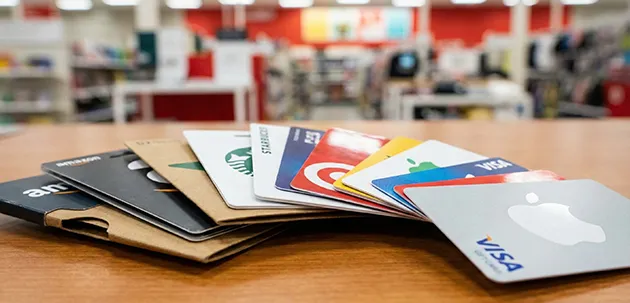
Behr Rate & Win Sweepstakes 2026 (Behr Paint Company)

BRP Win a Can-Am Sweepstakes 2026 (Bombardier Recreational Products)
Camping World Win a New RV Giveaway 2026 (FreedomRoads, LLC)
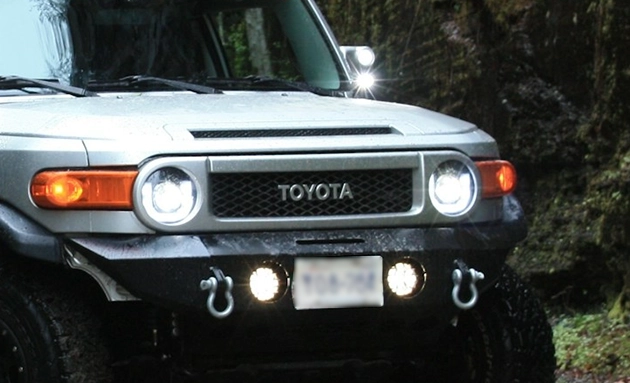
FCA US $100,000 Vehicle Sweepstakes 2026 (Stellantis - FCA US LLC)

Big Sipz $16K Monthly Giveaway 2026 (MPL Brands NV)

Great Day Improvements $100,000 Home Makeover Giveaway 2026 (Champion Windows, LeafGuard, Patio Enclosures, Universal Windows Direct)
Sweepstakes rules, eligibility requirements, prizes, and deadlines may change. Review the official rules before entering.
Sweepstakes FAQ — everything you need to know before you enter
Quick answers to the questions people ask most often about entering, winning, and staying safe.
Are online sweepstakes legit, or are they a scam?
The sweepstakes featured on this page are run by well-known brands or established sweepstakes platforms with publicly posted official rules. Legitimate sweepstakes never charge a fee to enter and never ask for sensitive financial information (Social Security number, bank routing/account number, credit card number) just to enter. If a "sweepstakes" page asks you to pay a fee, send a money order, or hand over banking details to claim a prize, that is a scam — not a real sweepstakes.
Do I have to pay anything or buy something to enter?
No. By federal law in the U.S., a legitimate sweepstakes must offer a free method of entry — this is the "no purchase necessary" rule. Some sponsor sites push you toward a purchase as one entry method, but the official rules will always describe a free alternative (a mail-in entry, a separate web form, or a similar option). Anything that requires payment to enter is technically a lottery and is illegal for private companies to run in the U.S.
Who can enter the sweepstakes listed on this page?
Eligibility is set by each sponsor and listed on the card. Most U.S. sweepstakes require entrants to be:
- Legal residents of the 50 U.S. states (sometimes excluding certain states like Florida, New York, or Rhode Island where the sponsor hasn't filed bonding paperwork)
- At least the age of majority in their state of residence (typically 18+, sometimes 21+ for alcohol-related promotions)
- Not employees, family members of employees, or affiliates of the sponsor
The full eligibility rules are linked in each sweepstakes' official rules document.
How often can I enter? Can I enter the same sweepstakes every day?
Entry frequency is set per sweepstakes and shown on each card (one-time, daily, weekly, monthly, or unlimited). Daily-entry sweepstakes typically reset at midnight Eastern Time on the sponsor's server. Submitting more entries than the official rules allow can disqualify all of your entries, so always check the rules before automating or bulk-submitting entries.
Where do I find the official sweepstakes rules?
Every legitimate sweepstakes is required to publish official rules. The link is almost always in small text near the bottom of the sponsor's entry page, labeled "Official Rules," "Rules," "Terms," or similar. The rules document tells you who can enter, how many times, the entry deadline, the value of the prizes, the odds of winning, how winners are selected and notified, and where to mail in a free entry if there is a purchase-based entry method.
How will I know if I won a sweepstakes?
Winners are typically notified by email, phone, or postal mail using the contact information you submitted. The sponsor will usually require you to confirm your eligibility, sign an Affidavit of Eligibility and Liability/Publicity Release, and possibly provide proof of identity and residency before they release the prize. Real sponsors do not ask you to wire money, buy gift cards, or pay "processing fees" before sending your prize. Treat any such request as a scam.
How can I improve my odds of winning a sweepstakes?
You can't change the odds of any single drawing — winners are selected at random — but you can put yourself in front of more drawings:
- Enter every day where the rules allow daily entries
- Set a calendar reminder for entry deadlines
- Complete any "bonus entries" the official rules describe (sharing on social, watching a video, etc.)
- Enter local and small-prize sweepstakes too — fewer entrants means better odds per drawing
- Use a separate email address for sweepstakes so notifications don't get lost in your main inbox
What information should I never give a sweepstakes site?
To enter, sponsors typically need your name, email, and sometimes your mailing address and date of birth. You should never hand over the following just to enter or claim a prize:
- Social Security number (a sponsor may request this at the prize-claim stage for high-value prizes, but never to enter)
- Credit card or bank account number
- Online banking passwords
- Photos of your driver's license or passport (these are sometimes requested to verify identity at claim time, but not to enter)
If you're being asked for any of the above before you've actually been notified you won, walk away.
What's the difference between a sweepstakes, a contest, and a lottery?
Sweepstakes are decided by random chance, with no purchase required and no skill component. Contests are decided by skill or merit (best photo, best essay, etc.) and may legally require a purchase or entry fee in some jurisdictions. Lotteries require all three of the following: a prize, a winner chosen by chance, AND consideration (payment) to enter. Lotteries are illegal for private companies to operate in the U.S. — only state governments can run them. This is why every legitimate "win something" promotion run by a brand is structured as a sweepstakes (no consideration required) or a contest (no chance involved).
How do I spot and avoid sweepstakes scams?
Common red flags of a sweepstakes scam include: being told you won a sweepstakes you never entered; being asked to pay a "processing fee," "tax," or "shipping fee" up front before receiving your prize; pressure to act immediately; requests to wire money, send gift cards, or share online banking credentials; emails or calls from generic Gmail/Yahoo addresses claiming to represent a major brand; misspellings and grammar errors in official-looking notifications; and prize amounts that seem too good to be true. The Federal Trade Commission accepts complaints at ReportFraud.ftc.gov, and our guide to reporting a fake sweepstakes walks through which agency handles mail, online, and phone pitches — plus what to do if you already paid.
Can I enter U.S. sweepstakes if I live outside the U.S.?
Almost always no. The vast majority of U.S. sweepstakes restrict eligibility to legal U.S. residents (and sometimes Canada, often excluding Quebec). Sponsors do this because every state has its own sweepstakes law and entering an international entrant exposes the sponsor to a tangle of foreign legal regimes. Always check the eligibility section of the official rules before entering — if you don't qualify and you win, the sponsor is required to disqualify you and pick another winner.