If your child developed a gaming addiction, depression, anxiety, or academic problems tied to Overwatch, here is where the video game addiction litigation stands — and why there is no settlement or claim form yet.

What This Investigation Was About
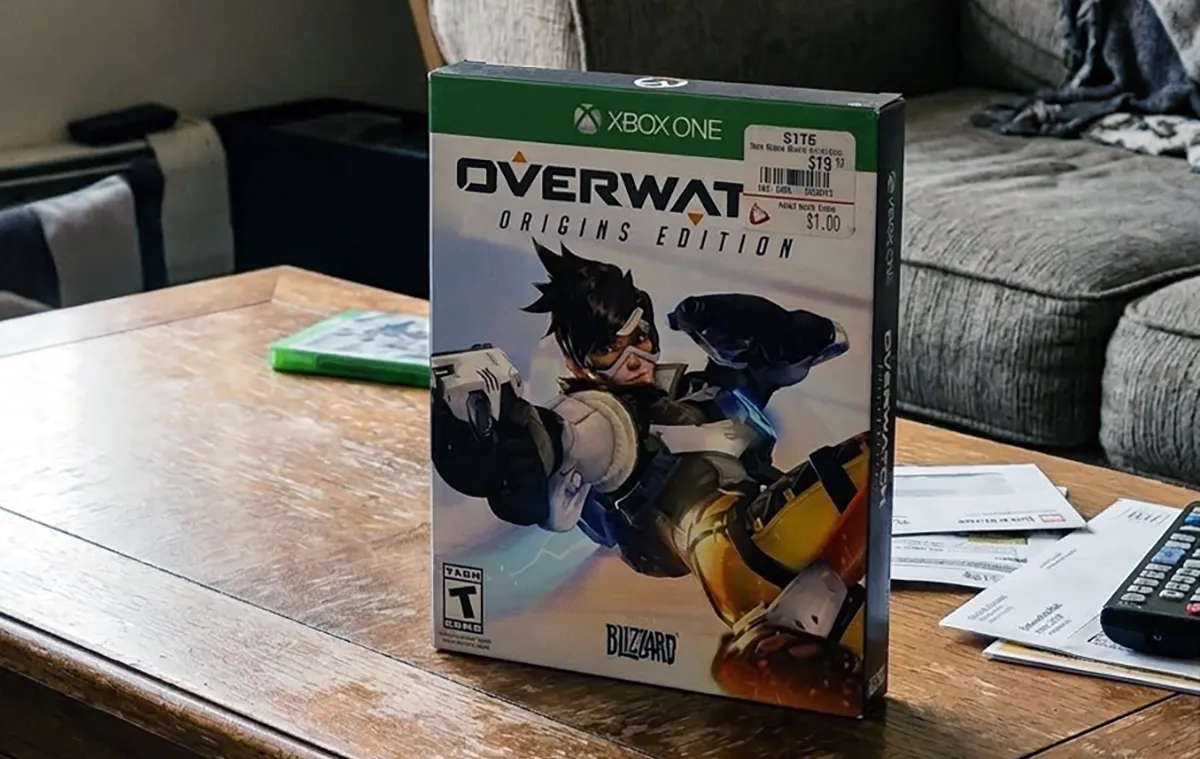
Attorneys looked into Blizzard Entertainment — a subsidiary of Activision Blizzard, which is now owned by Microsoft — over claims that Overwatch was designed to be addictive, particularly to children and young adults. The claims alleged that Blizzard used manipulative game design features intended to keep players engaged, encourage spending, and make it difficult for young people to stop playing.Overwatch is one of the most popular competitive multiplayer games in the world, with tens of millions of players. Overwatch 2, its free-to-play successor, expanded the game's reach even further by removing the upfront purchase price and introducing an aggressive battle pass and microtransaction system. Both versions are under investigation.
What Made Overwatch Addictive, According to the Claims
The claims described multiple design features known to trigger compulsive behavior, especially in children and teens whose brains are still developing. These features included:Competitive ranking systems (SR/MMR) that create an endless cycle of "just one more game" as players chase rank gains or try to recover from losses. The game's match-to-match variability — winning streaks followed by losing streaks — produces the same intermittent reinforcement pattern that makes slot machines addictive.
Loot boxes and in-game purchases that encourage spending real money on cosmetic items, skins, emotes, and seasonal content. Overwatch pioneered the modern loot box system when it launched in 2016, and the mechanic has been widely criticized by psychologists and regulators as a form of gambling targeted at minors. Overwatch 2 replaced loot boxes with a battle pass and direct-purchase shop, but critics argue the new system is equally manipulative, using limited-time offers, FOMO (fear of missing out), and premium pricing to drive spending.
Limited-time seasonal events and rotating game modes that create urgency and make players feel they must log in regularly or miss exclusive content forever. Events like Anniversary, Halloween Terror, and Winter Wonderland are specifically designed to bring players back on a schedule.
Social pressure mechanics including team-based gameplay that makes players feel they are letting teammates down if they stop playing. The game's Quick Play and Competitive modes require coordinated team effort, creating social obligation that keeps players in the game even when they want to stop.
Inadequate parental controls and time limits. The claims contended that Blizzard did not provide adequate tools for parents to monitor or restrict their children's play time, and did not clearly warn about the addictive nature of the game's design.
Free settlement alerts
Get notified when new class actions open to claims
Join thousands of readers who get the latest class action settlements you may qualify for — delivered straight to your inbox.
Overwatch 2 Battle Pass, Mythic Skins, and the October 2022 Free-to-Play Transition
The monetization architecture that anchors this investigation was introduced with the October 4, 2022 launch of Overwatch 2, which replaced the original 2016 title with a free-to-play live-service model. The change removed the $40 entry fee that had previously acted as a soft age barrier and opened the franchise to any child with a free Battle.net account on PC, Xbox, PlayStation, or Nintendo Switch.The seasonal battle pass is the main engagement engine. Each nine-week season ships a free track and a Premium Battle Pass priced at 1,000 Overwatch Coins (roughly $10 USD). Completing either track requires substantial daily and weekly play, and unfinished tiers are not carryover-eligible between seasons. New heroes have been gated behind the premium pass at launch in multiple seasons, which the investigation treats as a direct tie between spending pressure and competitive access.
Mythic skins are the premium cosmetic tier introduced with Overwatch 2 and are exclusive to the Premium Battle Pass. They are heavily marketed, use unique animations and effects, and have driven measurable battle-pass conversion among younger players. The rotating in-game shop layers on additional limited-time bundles, usually priced between 1,000 and 2,600 coins.
Skill rating (SR) and matchmaking rating (MMR) are Overwatch’s competitive progression systems. Ranked Competitive and Role Queue modes use SR to place players into tiers (Bronze, Silver, Gold, Platinum, Diamond, Master, Grandmaster, Champion) and reset those ranks each season. The cycle of rank-chasing plus seasonal reset plus battle-pass deadlines is what the claims described as the core compulsion loop driving minors into 21+ hour play weeks.
Corporate context. Microsoft completed its $68.7 billion acquisition of Activision Blizzard in October 2023, absorbing Blizzard Entertainment and the Overwatch franchise into Microsoft Gaming. The design decisions named in these claims predate the acquisition.
What Harms Can Overwatch Addiction Cause?
Gaming addiction is not just "playing too much." It is recognized by the World Health Organization as a diagnosable condition (Gaming Disorder, ICD-11). Overwatch addiction can cause serious harm including social isolation and withdrawal from friends and family, mental health issues such as depression, anxiety, emotional outbursts, and "gamer's rage," physical injuries including eye strain (Computer Vision Syndrome), repetitive stress injuries, carpal tunnel, sleep deprivation, and in rare cases seizures, academic problems such as falling grades, missed assignments, and dropping out of activities, financial strain from excessive spending on in-game purchases, battle passes, and skins, and in severe cases, self-harm or suicidal ideation linked to gaming-related distress.Where the Overwatch Addiction Cases Stand
The video game addiction litigation is still active. The Judicial Panel on Multidistrict Litigation declined to create a consolidated MDL (Panel No. 3109 was denied in June 2024 and a second request, No. 3168, was denied in December 2025), but that rejection did not dismiss the underlying lawsuits — individual cases continue and California state cases are coordinated as JCCP No. 5363. There is no settlement and no public claim form at this time, and some law firms are still reviewing potential individual cases involving serious, documented harm. Separately, the Social Media Addiction Lawsuit covers harm to minors from platforms like Instagram, TikTok, Snapchat, YouTube, and Facebook — a different, ongoing case, not a replacement for the video game cases.Related Investigations
• Video Game Addiction Lawsuit — All Games Under Investigation• Roblox Child Predator Lawsuit Investigation
Video game addiction cases are still being reviewed
There is no settlement claim form or federal MDL
Some law firms are still reviewing potential individual cases involving serious, documented harm. To find out whether you may have an individual case, you would generally speak with a licensed attorney who handles this litigation. Submitting information does not guarantee representation, eligibility, compensation or the filing of a lawsuit.
Separately, social media addiction lawsuits (Instagram, TikTok, Snapchat, YouTube, Facebook) are a different, ongoing litigation — not a replacement for the video game cases.