Innovation is encouraged in the area of sustainability. Brands are being subsidized for products and services intended to address major environmental concerns, especially climate change and waste reduction.

As the founder of a business actively seeking new ways to advocate for sustainable practices, you consider it a form of public service. Then again, it pays to know that you still operate an organization that's just as vulnerable to common risks, including intellectual property theft.
There are individuals and groups out there who are taking advantage of startups by using their brand identities to sell knock-off goods. Not only is this illegal, but IP violations could also lead to major harm to your company's reputation, its ability to secure funding, and, most of all, its stakeholders.
As you build a green business, it matters just as much to protect your identity, concepts, assets, and products from those who are not in any way involved in your advocacy. Here's a quick overview of how you can protect your brand's IP:
1. Protect Your Goods
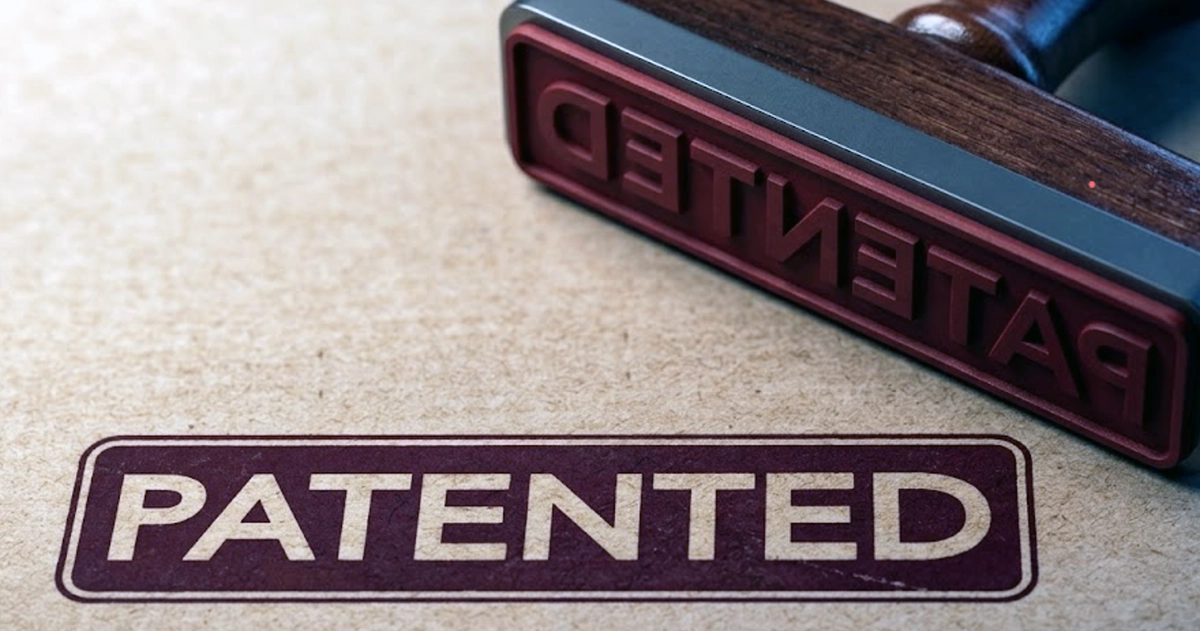
As your brand gains traction with its range of innovative green products, it's important to secure patents and other protections that can prevent your ideas and concepts from being used by other entities. If you were able to invent a machine that instantly separates and breaks down microplastics in water, you would need to apply for a patent (assuming that such a technology doesn't exist yet).The same is true if you developed a chemical that does the same, in which case you need to enforce legal safeguards governing trade secrets, such as processes and ingredients that may allow others to copy your product. If you fall short in acquiring these protections, other groups may steal them and lay claim to being responsible for these products.
2. Defend Your Image
While patents and trade secrets protect your ideas and concepts from falling into the wrong hands, trademark protections secure your business from counterfeits and unlawful use of creative assets such as your logo and other brand identifiers. These will also help you build trust within your market, making it easier for you to sign partnership agreements and apply for grants to boost your capital sources.For this, make sure you develop a distinct brand kit that includes a vision and mission, value propositions, and even peer-reviewed research or third-party guarantees, which are crucial if you're labeling your products as 100% all-natural. You will also need to include certifications showing that your products are approved by national and international regulating bodies and are compliant with pertinent environmental laws.
Free settlement alerts
Get notified when new class actions open to claims
Join thousands of readers who get the latest class action settlements you may qualify for — delivered straight to your inbox.
3. Detect Violations Online and Offline
Once you have secured your IP, it's only a matter of acting swiftly against any violations. Some groups may sell products using your trademark or illegally resell and distribute your products under a different brand name. Many of these transactions happen underground, but there are cases when they find their way to online marketplaces.Monitor platforms like Craigslist, Amazon, or Temu for product listings that illegally use your trademark or are clearly knock-offs of your products. It's also important to check relevant stores if they also sell these, and use legal means to protect your brand and your market from the effects that these counterfeit products may bring.
4. Get Proper Legal Advice
The area of IP can be too complicated for a small business owner like you who is looking to expand your brand. However, IP protections are essential to your survivability as they prevent major financial losses, build trust, and ensure the safety of buyers. It matters to get a lawyer to help you make sense of the law and improve your brand's defense against possible violations.You only need to look for a reliable law firm near where your business is headquartered. If it's based in Missouri, consider reaching out to Simon Law Firm, which specializes in handling IP disputes and other related cases. Their expertise can provide your brand with the protection it needs to thrive and prevent competitors and other entities from exploiting the good name you've already built as a green business.
Endnote
As you do your job of making the world more livable and promoting sustainable advocacies, make sure your products and identity are secured.Frequently Asked Questions
What kinds of intellectual property protection does a green business need?
Most sustainability brands rely on a combination: patents for inventions and novel processes, trade secret safeguards for proprietary ingredients or methods, and trademarks for the logo, brand name, and other identifiers. Each tool covers a different kind of asset, so they are used together rather than as substitutes.
How can I tell if someone is counterfeiting my green products?
Monitor online marketplaces such as Craigslist, Amazon, and Temu for listings that use your trademark or that are clear knock-offs of your products, and check relevant physical stores as well. When you find a violation, use legal means to stop the unlawful use and protect your market.
Do I need a lawyer to protect my brand's IP?
Intellectual property law can be complicated for a small business owner, and the protections are important for avoiding financial losses, building trust, and keeping buyers safe. Working with a reliable law firm — ideally one near your business headquarters that handles IP disputes — can help you understand the law and strengthen your defenses against violations.