Open TCPA Settlements You Can Claim

The Money Source $1.5M Prerecorded Call Settlement — Automatic Payment

Folsom Insurance Robocall Settlement — An Estimated $125–$200

Indegene Junk Fax Settlement — Up to $250 Per Fax

BuyAlerts Text Message Settlement — Up to $42.16
Open Investigations & Filed Cases
No claim form exists in these matters yet. An investigation is a law firm reviewing individual claims; a filed complaint is an allegation the court has not ruled on.
 Investigating
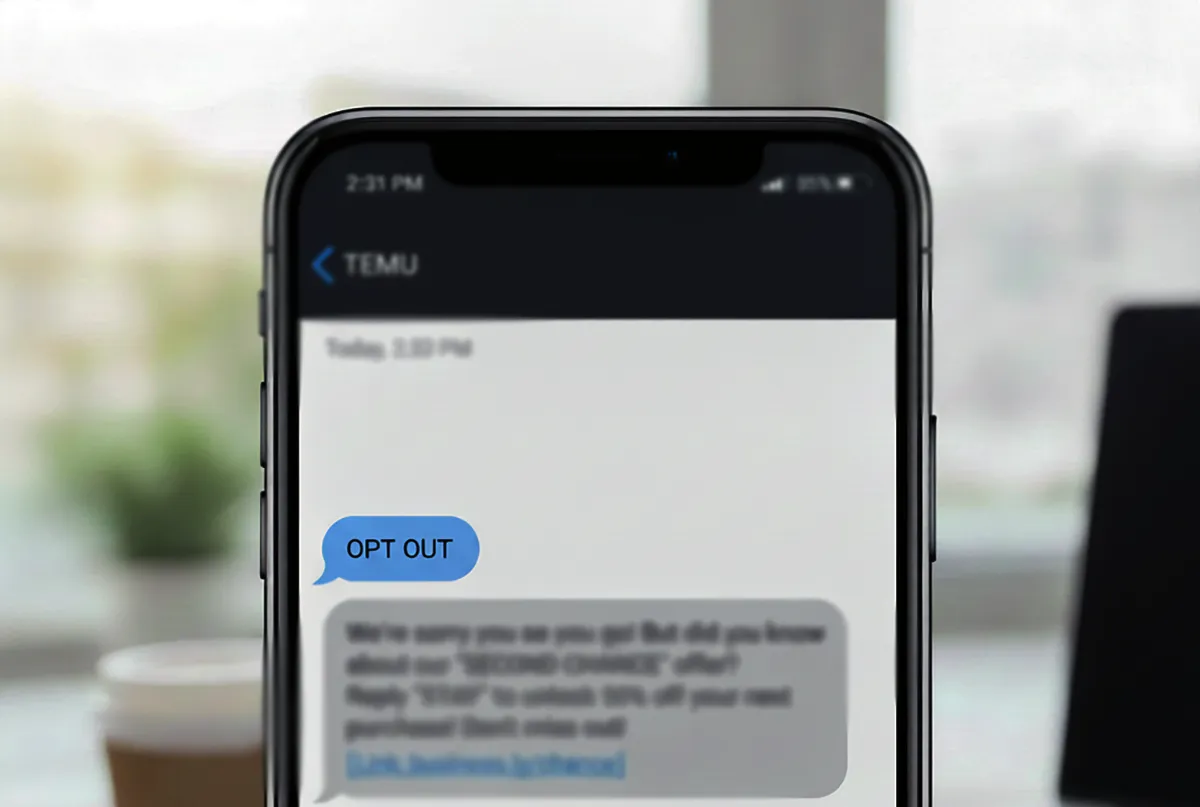
Spam Texts After You Replied STOP — Free Case Review
 Investigating
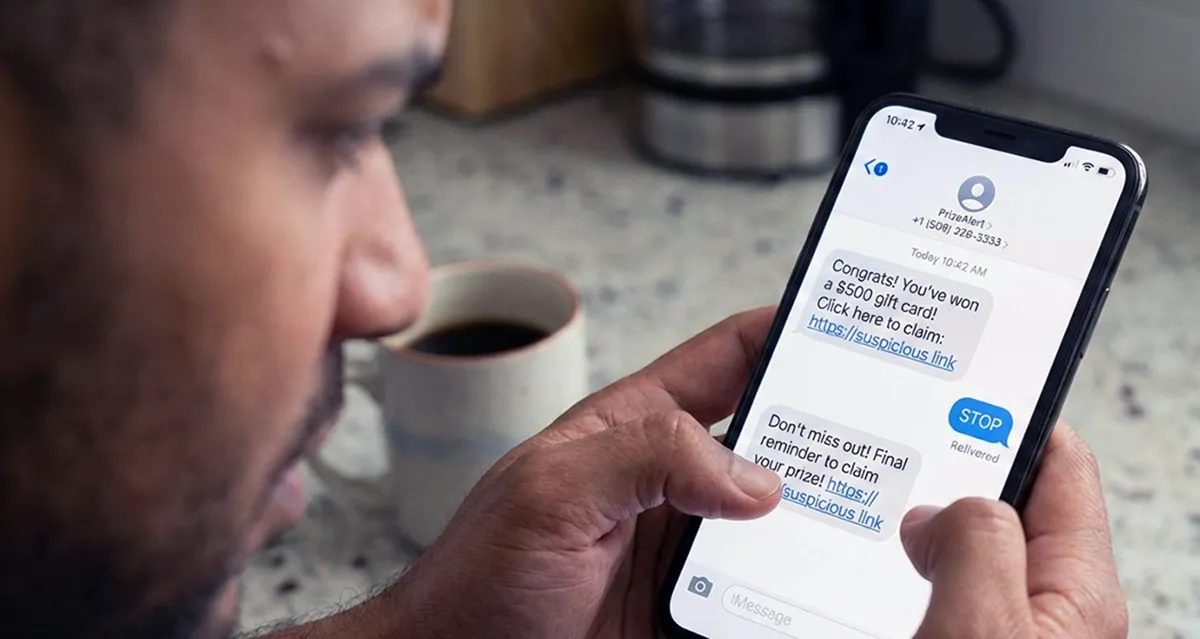
Groupon Text Message Class Action Lawsuit
 Investigating
Aetna Prerecorded Robocall Class Action Lawsuit
Investigating
AT&T Text Message Class Action Lawsuit
Investigating
HelloFresh EveryPlate Text Message Class Action Lawsuit
Investigating
Marc Jacobs Text Message Class Action Lawsuit
Investigating
Fender Text Message Class Action Lawsuit
 Investigating
LA Fitness Text Message Class Action Lawsuit
 Investigating
CVS ExtraCare Text Message Class Action Lawsuit
 Investigating
TikTok Text Message Class Action Lawsuit
Investigating
Homes.com Robocall Class Action Lawsuit
Closed & Expired TCPA Settlements
The settlements below are provided for reference only. Claim deadlines have passed or payouts have already been distributed. You can no longer file a new claim in these matters.
 Claims Closed
Altrua HealthShare Prerecorded Call Settlement — Up to $700
 Claims Closed
Concora Credit Robocall Settlement — An Estimated $250 to $650
Claims Closed
Davison Design Washington Text Settlement — Equal Share of $30,000
 Claims Closed
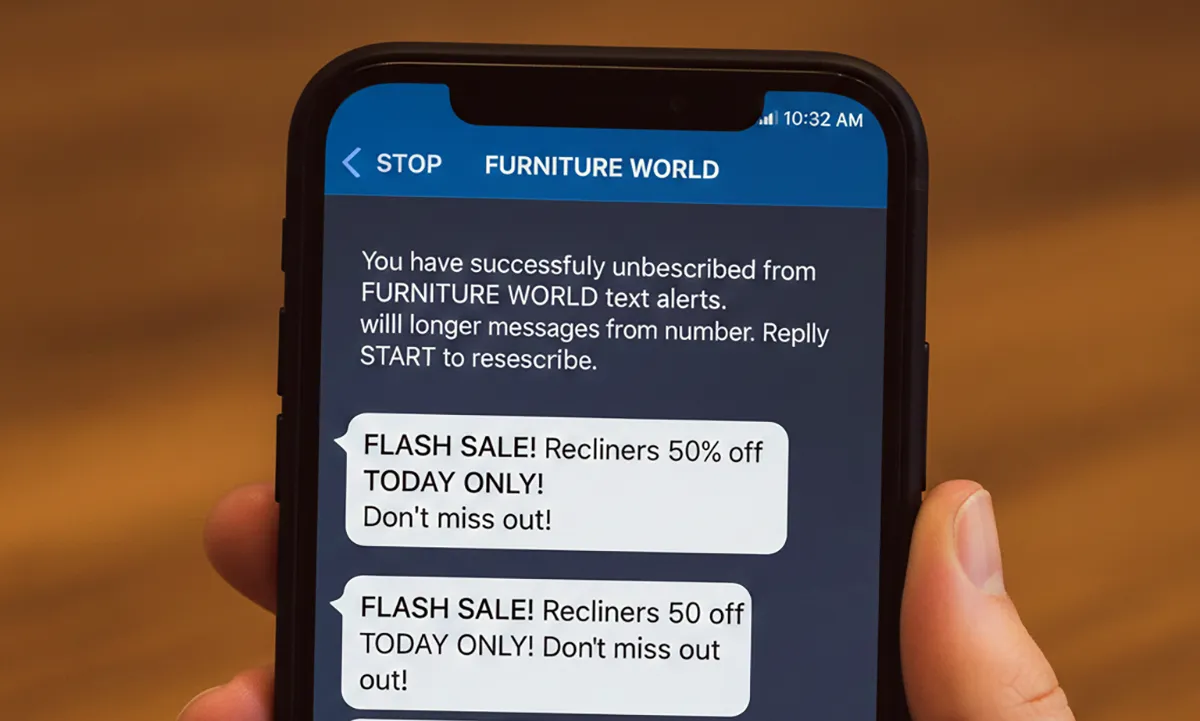
USA Clinics Group Text Message Settlement — Up to $150
 Claims Closed
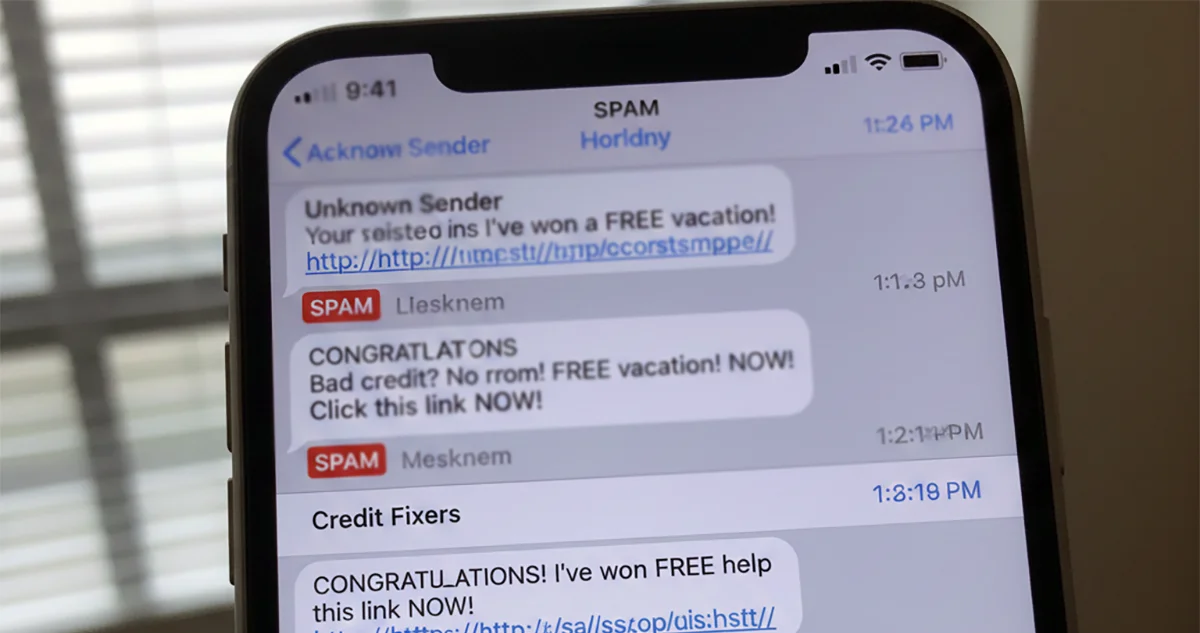
Palm Beach Tan Text Message Settlement — Up to $1,500 a Text
Claims Closed
Sugared + Bronzed Text Message Settlement — An Estimated $110–$222
 Claims Closed
O'Reilly Auto Parts Text Message Settlement — Up to $22
 Claims Closed
Farmers Insurance Do-Not-Call Settlement — Up to $160
 Claims Closed
Motive Technologies $21.4M Prerecorded Call Settlement
Claims Closed
Big Sandy Furniture $14M Text Message Settlement
 Claims Closed
$1.5M Register.com Reassigned Number Settlement — $3,300+ Each
 Claims Closed
AbleTo Prerecorded Voicemail Settlement
 Claims Closed
$552,600 Infiniti of Clarendon Hills Text Settlement
 Claims Closed
$6.5M NRS Pay Ringless Voicemail Settlement — Up to $135
 Claims Closed
$889K Toyota of North Miami Text Settlement
 Claims Closed
$10.5M Kaiser Spam Text Settlement (TCPA & Florida FTSA)
 Claims Closed
$7.5M Zales Text Message Settlement
 Claims Closed
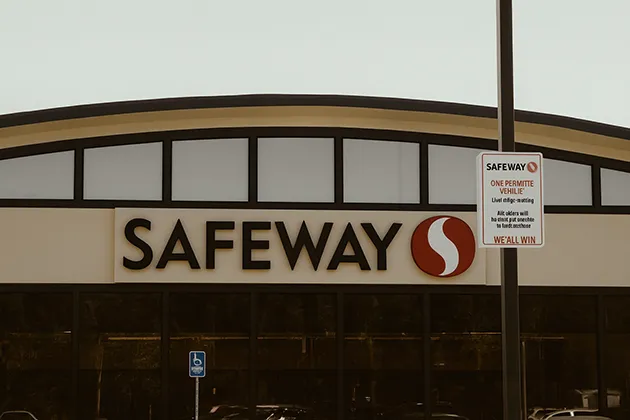
$6M Albertsons & Safeway Text Message Settlement
Claims Closed
$900K Posh Group Text Message Settlement
 Claims Closed
Momentum Solar Telemarketing Settlement
 Claims Closed
$20M Realogy & Coldwell Banker Settlement — Payments Sent
 Claims Closed
$4.43M Designer Brands & DSW Text Settlement
 Claims Closed
$995K Everything Breaks Telemarketing Settlement
 Claims Closed
$29.5M Citibank Robocall Settlement
 Claims Closed
$1M Jefferson Dental Text Message Settlement
Claims Closed
$21.875M Assurance IQ Settlement — Payments Distributed
 Claims Closed
$28M SiriusXM Telemarketing Settlement
Claims Closed
$4.75M Hy Cite Royal Prestige Robocall Settlement — $600 to $1,000
 Claims Closed
$3.5M United HealthCare Services Robocall Settlement
What Is the TCPA?
The Telephone Consumer Protection Act, 47 U.S.C. § 227, is the federal statute Congress passed in 1991 to rein in telemarketing. It restricts calls made with an automatic telephone dialing system, calls that deliver an artificial or prerecorded voice, marketing faxes, and — because the FCC and the courts read "call" to include SMS — marketing text messages. A separate section of the rules, 47 C.F.R. § 64.1200, carries the Do-Not-Call provisions that most consumer cases are built on.
What Counts as a TCPA Violation?
Four fact patterns produce most of the class actions on this page. Marketing calls or texts sent to a number listed on the National Do-Not-Call Registry, where the sender has no established business relationship and no written consent. Prerecorded or artificial-voice calls, including ringless voicemail drops, placed to a cell phone without consent. Autodialed marketing messages sent without the prior express written consent the rules require. And messages that keep arriving after the recipient opted out — replying STOP revokes consent, and prior consent stops mattering the moment it is revoked.
Reassigned Numbers: Consent Does Not Follow the Number
Carriers recycle phone numbers. When a number is disconnected and later assigned to someone new, any consent the previous subscriber gave to receive a company's marketing messages does not travel with the number. The new subscriber never agreed to anything, so texts that were lawful yesterday become unsolicited today. The FCC maintains a Reassigned Numbers Database that callers can query before sending, and several settlements — including the O'Reilly Automotive settlement above — require the defendant to start using it as part of the deal. Reassigned-number classes are usually much smaller than ordinary marketing-text classes, which is why per-person recoveries in them can run into the hundreds or thousands of dollars.
Free settlement alerts
Get notified when new class actions open to claims
Join thousands of readers who get the latest class action settlements you may qualify for — delivered straight to your inbox.
What the TCPA Pays — and Why Settlements Pay Less
The TCPA is one of the few consumer statutes with fixed statutory damages, which means a plaintiff does not have to prove any financial loss to recover.
| Scenario | What the statute or a settlement provides |
|---|---|
| Individual claim, ordinary violation | $500 per violating call or text |
| Individual claim, knowing or willful violation | Up to $1,500 per call or text, at the court's discretion |
| Class settlement, large class | A pro rata share of a fixed fund — commonly $20 to $200 per person |
| Class settlement, small or reassigned-number class | Sometimes several hundred to several thousand dollars per number |
The gap between the statutory figure and a typical class payout is arithmetic, not a trick. A class covering half a million phone numbers would carry statutory exposure far beyond what most defendants could pay, so the parties negotiate a fund and split it among everyone who files. That is also why the advertised per-person estimate on a settlement page can move: until the claims period closes, nobody knows how many valid claims will share the fund.
What Proof You Need to File a TCPA Claim
TCPA settlements are usually built from the defendant's own calling records, so the administrator already knows which numbers are in the class. That produces two common filing models. In the first, the administrator mails or emails a Claim ID, Notice ID or PIN and the online form will not open without it — no screenshots, but no filing either if the notice never reached you. In the second, the settlement lets any class member attest under penalty of perjury that they received the messages, with no code required. Each settlement page on this site states which model applies, and this site treats a required administrator-issued code as proof, because a class member who never got the notice cannot file without it.
Bringing your own individual claim is different. There the evidence is yours to supply: screenshots showing the message text, the sender, and the timestamp, plus a screenshot of the STOP reply if you sent one. Carrier records and phone backups can sometimes reconstruct deleted messages.
How to File a TCPA Settlement Claim
- Confirm the class definition on the settlement page covers your number and the dates you received the messages.
- Find the Claim ID, Notice ID or PIN in the postcard or email the administrator sent you. If none arrived, use the contact form on the official settlement website to ask whether your number is on the class list.
- Open the official claims administrator website linked from the settlement page and start the claim form.
- Enter each phone number you were the regular user of during the class period, along with any dates the form asks for, and complete any required attestation about consent or purchases.
- Submit before the deadline and keep your confirmation. Filing your own claim is always free.
Key Terms Glossary
TCPA: The Telephone Consumer Protection Act, 47 U.S.C. § 227 — the federal statute behind every case on this page.
National Do-Not-Call Registry: The FTC-operated list of numbers that telemarketers may not call. Most Do-Not-Call claims require the number to have been registered for at least 30 days before the messages arrived.
Prior express written consent: The signed, disclosed agreement the rules require before a company may send autodialed or prerecorded marketing to a cell phone. Consent can be revoked at any time, including by replying STOP.
Reassigned number: A phone number a carrier has given to a new subscriber. Consent given by a prior holder does not transfer.
Ringless voicemail: A message dropped straight into voicemail without ringing the phone. Courts have treated these as calls for TCPA purposes.
Statutory damages: A fixed per-violation amount set by statute — $500 here, or up to $1,500 for willful violations — recoverable without proving out-of-pocket loss.
Pro rata: The method used to divide a fixed settlement fund among valid claimants, which is why a class payout is usually far below the statutory figure. See our plain-English explainer on pro rata distribution.
Related Reading
• What Is the TCPA? A plain-English guide to the statute• How to register for the National Do Not Call Registry
• Spam texts after you replied STOP — free case review
• Debt collection robocalls and the TCPA
• All open class action settlements
Sources
• 47 U.S.C. § 227 — Telephone Consumer Protection Act (Cornell LII)• 47 C.F.R. § 64.1200 — FCC telephone solicitation rules (eCFR)
• FCC — Reassigned Numbers Database
• National Do Not Call Registry (FTC)
• FTC Consumer Advice — How to stop unwanted calls