
$250M Activision Blizzard Shareholder Settlement (ATVI)

$26.5M PowerSchool Stockholder Settlement

$60M Continental Resources Shareholder Settlement (CLR)

$7.5M WM Technology Securities Settlement (MAPS)

Cronos Group $10M U.S. Securities Settlement (CRON)

~$12M SafeMoon (SFM) Token Settlement, Plus Jake Paul and Keemstar

$18.2M Carrols Restaurant Group Stockholder Settlement (TAST)

$44M Inovalon Stockholder Settlement

$31M Thoughtworks Stockholder Settlement (TWKS)

$6M Gritstone bio Securities Settlement (GRTS)

$147.5M WWE Merger Stockholder Settlement (TKO)

$17.05M Twist Bioscience Securities Settlement (TWST)

$12.75M Holley Securities Settlement (HLLY)

Twitter Stock Jury Verdict — Full Damages Plus Interest (TWTR)

$85M Everbridge Securities Settlement (EVBG)
$7M Exabeam Stockholder Settlement (Private Company)

$17M Atlas Energy Solutions Stockholder Settlement (AESI)

$8M CAD Wayland Group Securities Settlement (WAYL/MARI)

ASP Isotopes $9.35M Securities Settlement (ASPI) — About $0.38 a Share

$39M Edwards Lifesciences Securities Settlement (EW)
$2.35M Hut 8 Securities Settlement (HUT)

$19.5M Kornit Digital Securities Settlement (KRNT)
$175M Becton Dickinson SEC Fair Fund (BDX)

$1.225M Kiromic BioPharma Securities Settlement (KRBP)

$10.05M WEBTOON Entertainment IPO Securities Settlement (WBTN)
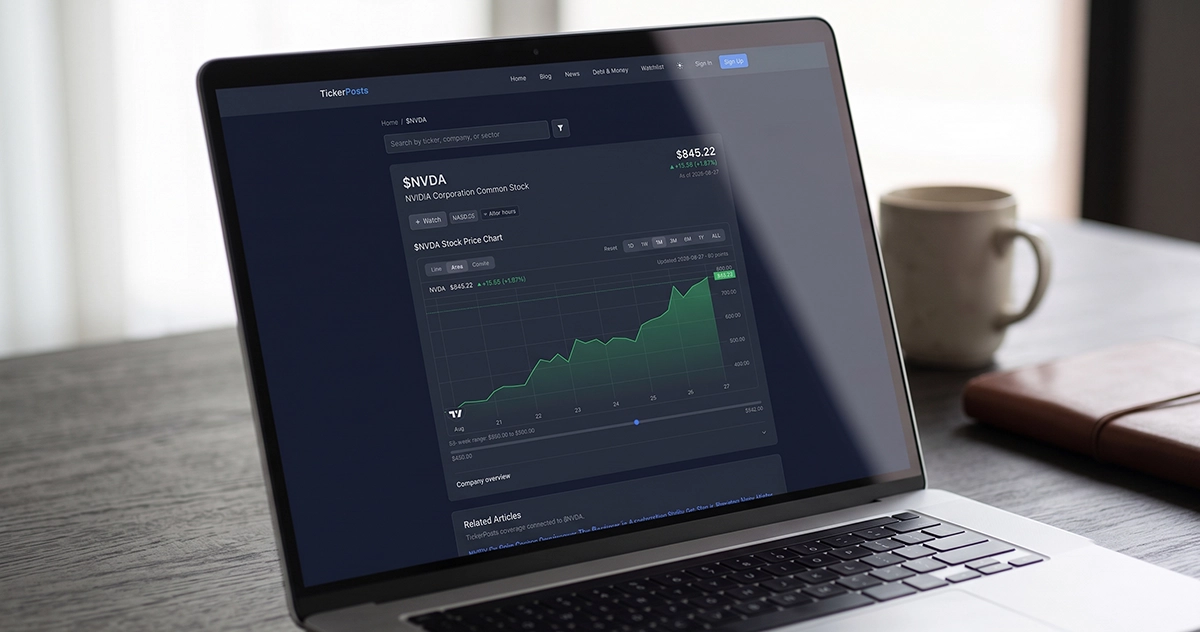
$4.35M National Holdings Stockholder Settlement

$20M NAPCO Security Technologies Securities Settlement (NSSC)

$13M Marqeta Securities Settlement (MQ)
$15M Atlas Crest (Archer Aviation) Stockholder Settlement (ACHR)
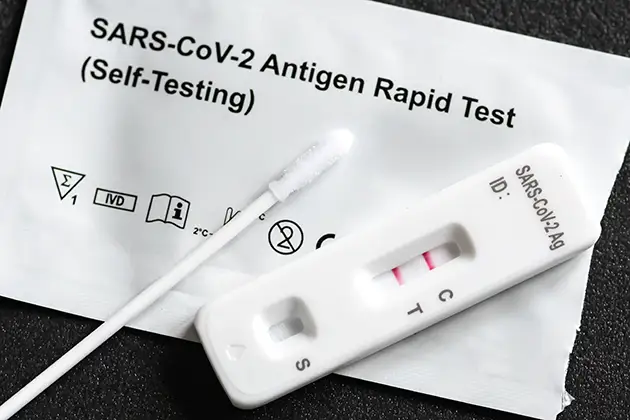
$6.5M Co-Diagnostics Securities Settlement (CODX)
$59.5M FTAC II Paysafe Stockholder Settlement

$10M Hertz EV Securities Settlement (HTZ)
$11M dMY IV (Planet Labs) Stockholder Settlement
Marex Group $950K Securities Settlement (MRX) — About $0.03 a Share

$18M BeautyHealth Securities Settlement (SKIN)
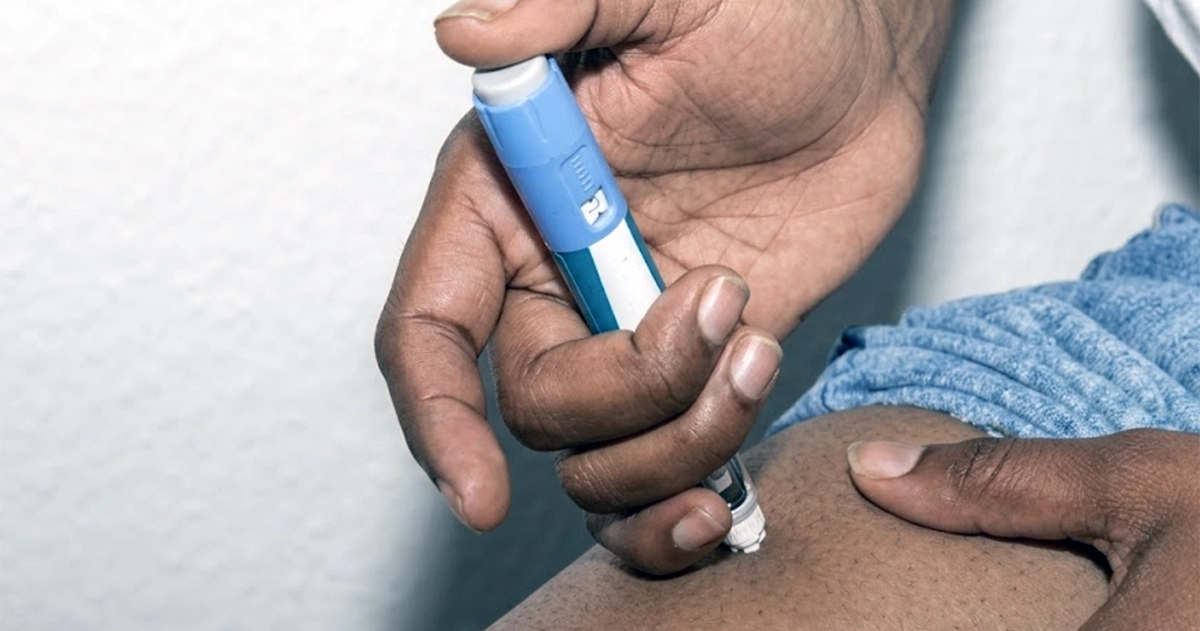
$2.4M Revance Stockholder Settlement (RVNC)

$38.25M CAD CAE Inc. Securities Settlement
Settlement Reached
$114.5M Anadarko Securities Settlement (APC)

$15.98M AeroGrow Shareholder Settlement (AERO)
Closed & Expired Securities Settlements
The settlements below are provided for reference only. Claim deadlines have passed or payouts have already been distributed. You can no longer file a new claim in these matters.
 Claims Closed
$175M Seagate Securities Settlement (STX)
 Claims Closed
$9.5M Eagle Pharmaceuticals Securities Settlement (EGRX)
Claims Closed
$10M Rockley Photonics Securities Settlement (RKLY)
 Claims Closed
$35M Hain Celestial Securities Settlement (HAIN)
Claims Closed
Spectrum Pharmaceuticals $7M Securities Settlement (SPPI)
 Claims Closed
$125M Zymergen IPO Securities Settlement
 Claims Closed
Vintage Wine Estates $7.5M Securities Settlement (VWE) — About $0.79 a Share
 Claims Closed
TAL Education $14.1M Securities Settlement (TAL)
 Claims Closed
$19M AmTrust Securities Settlement (AFSI)
 Claims Closed
$32M Stitch Fix Securities Settlement (SFIX)
 Claims Closed
$45M iRhythm Technologies Securities Settlement (IRTC)
 Claims Closed
$69M ChemoCentryx Securities Settlement (CCXI)
Claims Closed
$15M Edgio Securities Settlement (LLNW/EGIO)
 Claims Closed
$172.5M Danaher Securities Settlement (DHR)
 Claims Closed
$15M Elanco Animal Health SEC Fair Fund (ELAN)
 Claims Closed
$6.5M Amylyx Pharmaceuticals Securities Settlement (AMLX)
 Claims Closed
$70M Shoals Technologies Securities Settlement (SHLS)
 Claims Closed
$55M SolarEdge Technologies Securities Settlement (SEDG)
 Claims Closed
$8.5M Virgin Galactic Securities Settlement (SPCE)
 Claims Closed
$210M Estée Lauder Securities Settlement (EL)
 Claims Closed
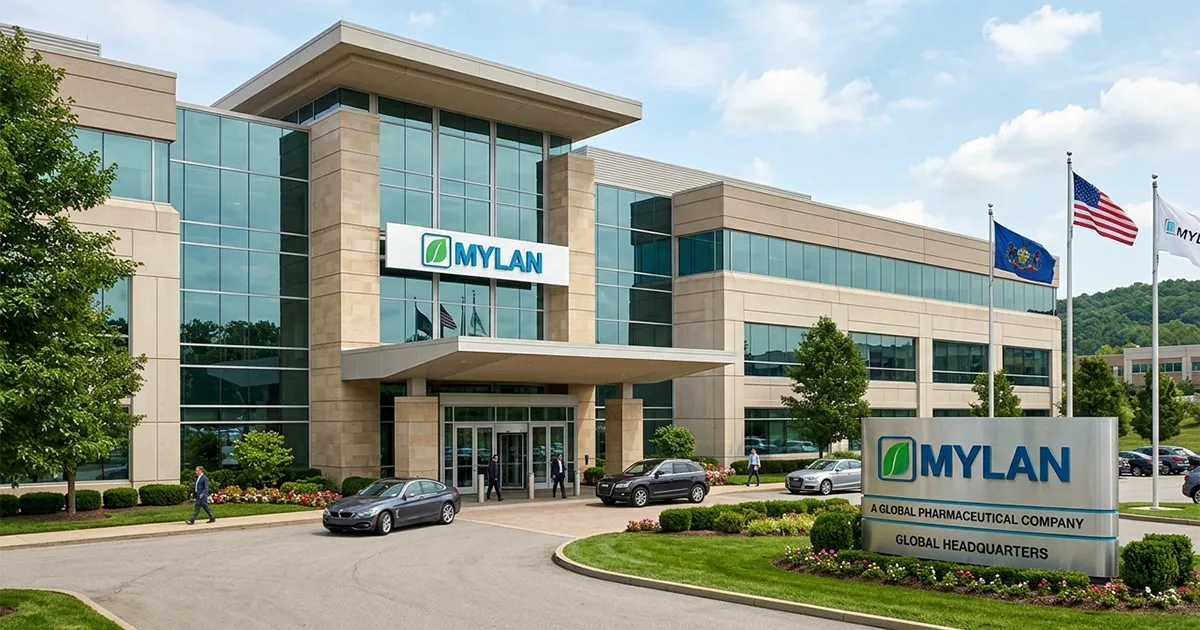
$60M Mylan Securities Settlement (MYL)
 Claims Closed
$210M FIS Securities Settlement (FIS)
 Claims Closed
$65M Snap Inc. Securities Settlement (SNAP)
 Claims Closed
$740M DiDi IPO Securities Settlement
 Claims Closed
$47.5M Olaplex Securities Settlement
 Claims Closed
$14.75M Funko IPO Securities Settlement (FNKO)
 Claims Closed
$47M Novavax Securities Settlement (NVAX)
What Is a Securities Class Action?
A securities class action is a lawsuit brought on behalf of everyone who bought a company's stock (or other securities) during a specific period and lost money because the company allegedly made false or misleading statements. Most are brought under the federal securities laws — primarily Section 10(b) of the Securities Exchange Act and SEC Rule 10b-5, which prohibit fraud in connection with the purchase or sale of securities. IPO-related cases are often brought under Sections 11 and 12 of the Securities Act, which target misstatements in a registration statement or prospectus.
How Do Securities Fraud Claims Work?
The theory in most stock-drop cases is straightforward: a company made statements that hid bad news, the stock traded at an inflated price while the truth was concealed, and when the truth came out through a corrective disclosure the price fell — leaving investors who bought during the inflated period with losses. To certify the class and prove damages, plaintiffs typically rely on the fraud-on-the-market presumption, which assumes the market price reflected the alleged misstatements. The Private Securities Litigation Reform Act (PSLRA) sets heightened pleading standards and governs how a lead plaintiff is appointed to represent the class.
Who Is Eligible to File?
Eligibility turns on the class period — the dates between the first alleged misstatement and the corrective disclosure. If you purchased the security during that window, you are generally a class member, whether or not you ever spoke to a lawyer. Investors who sold before the truth came out, or who bought after it was disclosed, are often excluded or recover less, because they were not damaged by the inflation in the same way. Each settlement page on this site lists the exact class period, the eligible securities, and any exclusions the court approved.
Free settlement alerts
Get notified when new class actions open to claims
Join thousands of readers who get the latest class action settlements you may qualify for — delivered straight to your inbox.
How Securities Settlement Payouts Are Calculated
Securities settlements almost never pay a flat amount per person. Instead, the court approves a Plan of Allocation that assigns each class member a Recognized Loss based on when they bought and sold, how many shares, and the price movement attributable to the alleged fraud. The net settlement fund — what remains after court-approved attorneys' fees and administration costs — is then divided pro rata in proportion to each valid claimant's Recognized Loss. Because the fund is fixed, the more valid claims that are filed, the smaller each share becomes. Most plans also set a minimum distribution (often $10) below which no check is mailed.
What Proof You Need to File a Claim
Securities claims always require documentation of your trades. Gather your brokerage trade confirmations and monthly account statements showing the dates, share quantities, and prices of every purchase and sale of the security during (and sometimes shortly after) the class period. If you held the stock in a retirement or managed account, your broker or plan administrator can usually produce a transaction history. The claims administrator uses these records to calculate your Recognized Loss, so accurate, complete trade data is the single most important thing you can submit. If you have lost a Claim ID or notice, use the contact form on the official settlement website rather than guessing.
How to File a Securities Claim
- Confirm you bought the security during the class period listed on the settlement page.
- Pull your brokerage statements and trade confirmations for every purchase and sale in that window.
- Open the official claims administrator website linked from the settlement page and start the claim form.
- Enter your transaction details (or upload broker records) and your Claim ID or Notice ID if you received one in the mail or by email.
- Submit before the filing deadline and keep your confirmation. There is no cost to file your own claim.
Key Terms Glossary
Class Period: The window of dates during which the alleged misstatements inflated the stock price; only purchases in this window are eligible.
Rule 10b-5: The SEC rule under the Securities Exchange Act that prohibits fraud and material misstatements in connection with buying or selling securities.
Recognized Loss: The dollar figure a Plan of Allocation assigns to your trades; your pro rata share of the fund is based on it, not on your actual out-of-pocket loss.
Plan of Allocation: The court-approved formula that divides the net settlement fund among valid claimants.
Lead Plaintiff: The investor (often the one with the largest loss) appointed under the PSLRA to represent the class; absent class members do not need to be the lead plaintiff to file. See how courts choose a lead plaintiff.
Corrective Disclosure: The event — an earnings restatement, regulatory action, or news report — that reveals the truth and typically triggers the stock-price drop.
Full guides: what a securities class action is, the PSLRA lead plaintiff process and SEC EDGAR filings.
Sources
• Securities Exchange Act of 1934, Section 10(b) — SEC statute text• SEC Rule 10b-5 (17 CFR § 240.10b-5) — eCFR
• Private Securities Litigation Reform Act of 1995 (PSLRA) — Congress.gov
• Securities Act of 1933, Sections 11 & 12 — SEC statute text
• Investor.gov — Class Action Lawsuits (SEC Office of Investor Education)