Updated
October 4, 2024
The years-long Tiffany v. Costco fight shows how far brands go to defend a trademark — and what smaller makers can do to protect their own designs.
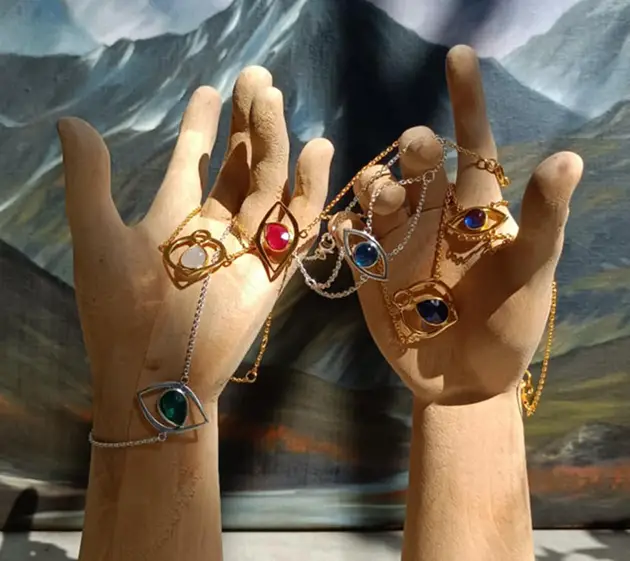

At the heart of the dispute is Costco's sale of jewelry labeled as "Tiffany-style." Tiffany, renowned for its iconic blue boxes and distinctive designs, argued that Costco's use of the term "Tiffany-style" infringed upon its trademarks and created consumer confusion. Costco, on the other hand, contended that "Tiffany-style" was a generic term used to describe a certain type of jewelry and that its use did not infringe on Tiffany's rights.
Tiffany & Co v Costco in Brief
● Tiffany & Co. sued Costco in 2013 for trademark infringement and counterfeiting over Costco's use of "Tiffany" to describe engagement rings.
● Costco argued "Tiffany" had become a generic term for a ring setting style.
● In 2015, a federal judge ruled in Tiffany's favor, awarding $21 million in damages.
● In 2020, an appeals court overturned the ruling, saying a jury should decide if consumers were likely to be confused.
● The case raised questions about trademark genericism and fair use of descriptive terms.
● In July 2021, Tiffany and Costco reached a confidential settlement, ending the long-running dispute.
● The case highlighted the challenges luxury brands face in protecting their trademarks and brand identity.
● It also demonstrated the complexities of trademark law when terms may have both brand-specific and generic meanings.
● Costco argued "Tiffany" had become a generic term for a ring setting style.
● In 2015, a federal judge ruled in Tiffany's favor, awarding $21 million in damages.
● In 2020, an appeals court overturned the ruling, saying a jury should decide if consumers were likely to be confused.
● The case raised questions about trademark genericism and fair use of descriptive terms.
● In July 2021, Tiffany and Costco reached a confidential settlement, ending the long-running dispute.
● The case highlighted the challenges luxury brands face in protecting their trademarks and brand identity.
● It also demonstrated the complexities of trademark law when terms may have both brand-specific and generic meanings.
The lawsuit has been marked by legal back-and-forth, which can be typical, with both sides presenting solid arguments. Tiffany has argued that its brand is so well-known and distinctive that consumers associate the term "Tiffany" with its specific products and designs. Costco, however, has maintained that the term "Tiffany-style" is simply a descriptive term used to describe a particular aesthetic and does not imply any affiliation with Tiffany & Co.
The outcome of the case has significant implications for the protection of luxury brand identities. If Tiffany were to prevail, it would set a precedent for other luxury brands to more aggressively defend their trademarks and prevent unauthorized use of their brand names or associated terms. This could deter counterfeiters and other unauthorized sellers from attempting to capitalize on the reputation of luxury brands.
If Costco were to win, it could open the door for more generic use of luxury brand names or associated terms. This could potentially dilute the value of luxury brands and make it more difficult for them to differentiate themselves from competitors.
The Tiffany & Co. vs. Costco case underscores the importance of brand protection. Luxury brands must be vigilant in defending their intellectual property and taking steps to prevent unauthorized use of their trademarks. By doing so, they can safeguard their reputation, maintain their exclusivity, and protect their valuable brand equity.
Protecting Small Jewelry Company Brands From Copycats
Small jewelry brands, Kartikart Jewelry, often face the challenge of protecting their unique designs from larger, more established competitors. Here are some strategies to help safeguard your brand image:Free settlement alerts
Get notified when new class actions open to claims
Join thousands of readers who get the latest class action settlements you may qualify for — delivered straight to your inbox.
1. IP Protection:
Trademark registration: Protect your IP (or Intellectual Property). Register your brand name and any distinctive logos or designs. This provides legal protection against unauthorized use.
Copyright registration: Copyright your original designs to prevent unauthorized copying.
Patent application: If your design is truly innovative, consider applying for a patent to secure exclusive rights.
2. Design and Differentiation:
Continual innovation: Keep creating new and original designs to stay ahead of the competition.
Unique selling points: Highlight what makes your jewelry unique, such as materials, craftsmanship, or storytelling.
Limited editions and customization: Offer exclusive or personalized pieces to enhance perceived value.
3. Stronger Branding:
Consistent messaging: Develop a clear brand identity and maintain consistency across all marketing channels.
Brand storytelling: Share the story behind your brand to connect emotionally with customers.
Quality assurance: Ensure your products meet high-quality standards to build trust and reputation.
4. Legal Action:
Monitor the market: Keep an eye out for potential infringements and take swift action if necessary.
Cease and desist letters: Send formal letters to cease unauthorized use of your intellectual property.
Legal representation: Consult with a lawyer specializing in intellectual property law for advice and guidance.
5. Online Protection:
Trademark monitoring: Use online tools to monitor for unauthorized use of your brand name or designs.
Social media monitoring: Keep an eye on social media platforms for potential infringements.
E-commerce protection: Implement measures to protect your online store from counterfeiters and unauthorized sellers.
6. Supplier Relationships:
Confidentiality agreements: Require suppliers to sign confidentiality agreements to protect your designs.
Trusted partners: Build relationships with reputable suppliers who prioritize quality and integrity.
By implementing these brand protection strategies, small jewelry brands can better protect their brand image and reduce the risk of being copied by larger competitors.