If your child developed compulsive gaming, depression, or anxiety tied to Fallout 4 or Fallout 76, here is where the video game addiction litigation stands and who is still reviewing individual cases.

Background: The Fallout Video Game Addiction Concerns
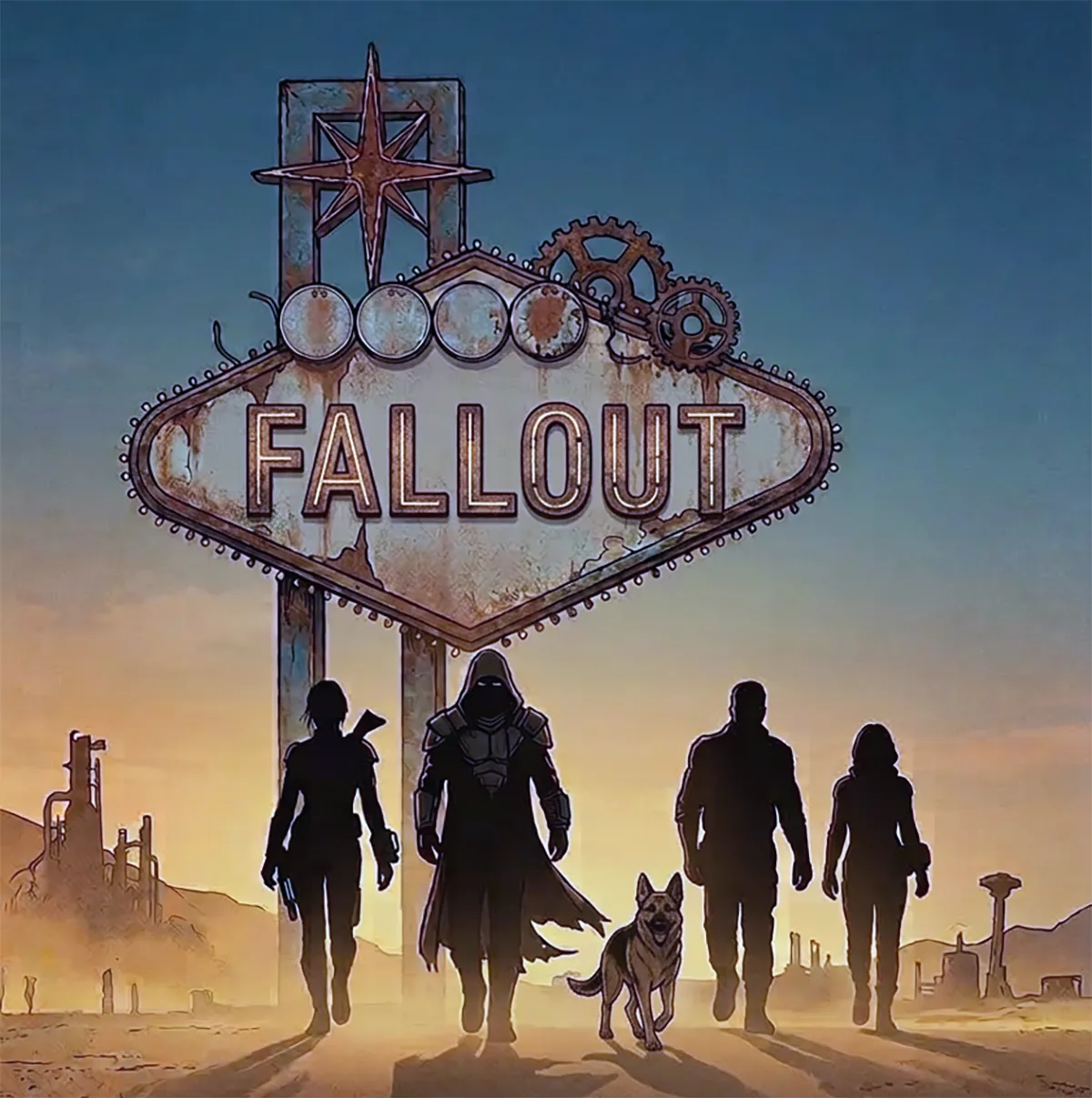
Fallout 4 and Fallout 76, developed by Bethesda Game Studios — a subsidiary of ZeniMax Media, now owned by Microsoft — drew scrutiny over claims that the games were designed to be addictive, particularly to children and young adults. Critics alleged that Bethesda used game design features that kept players engaged for hundreds or even thousands of hours, encouraged spending on microtransactions, and made it difficult for young people to stop playing.The Fallout franchise surged in popularity after the release of the Amazon Prime television series in April 2024, drawing millions of new and returning players — many of them minors — into Fallout 4 and Fallout 76. Bethesda released a free next-gen update for Fallout 4 the same month the show premiered, and Fallout 76 saw its highest-ever concurrent player counts.
What Made Fallout Games Compulsive?
Critics pointed to multiple design features known to trigger compulsive behavior in children and teens whose brains are still developing:Open-world exploration loops that create a constant cycle of discovery and reward. The Fallout world is designed so there is always another location to explore, another quest to discover, and another piece of loot just around the corner. This "just five more minutes" design keeps players engaged far longer than they intend to be — sessions that start as 30 minutes can easily become 4 or 5 hours.
Randomized loot and reward systems that trigger dopamine responses. Fallout uses variable-ratio reward schedules — the same psychological mechanic behind slot machines — where players never know when they will find a rare weapon, piece of armor, or legendary item. This uncertainty makes each container, each enemy kill, and each quest completion feel like it could be "the big one," driving compulsive play.
Daily login incentives and limited-time events in Fallout 76 that create a sense of obligation and fear of missing out. Fallout 76 uses daily challenges, weekly challenges, seasonal scoreboards, and rotating limited-time events to pressure players into logging in every day. Missing a day means losing progress toward seasonal rewards that cannot be earned later.
In-game purchases through the Atomic Shop and the Fallout 1st premium subscription service ($12.99/month or $99.99/year) that encourage ongoing spending. The Atomic Shop rotates inventory regularly with limited-time cosmetic items, creating urgency to buy. Fallout 1st gates quality-of-life features (like private worlds and unlimited crafting storage) behind a paywall, making the free experience frustrating enough to pressure spending.
Inadequate parental controls and time management tools. Critics said Bethesda did not provide adequate tools for parents to monitor or restrict their children's play time, and did not clearly warn about the risks of compulsive use embedded in the game's design.
What Harms Can Fallout Addiction Cause?
Gaming addiction is recognized by the World Health Organization as a diagnosable condition (Gaming Disorder, ICD-11). Fallout addiction can cause serious harm including social isolation and withdrawal from friends and family, mental health issues such as depression, anxiety, emotional outbursts, and irritability when unable to play, physical injuries including eye strain (Computer Vision Syndrome), repetitive stress injuries, carpal tunnel, and chronic sleep deprivation from late-night gaming sessions, academic problems such as falling grades, missed assignments, dropping out of extracurricular activities, and in some cases dropping out of school, financial strain from Atomic Shop purchases, Fallout 1st subscription fees, and Creation Club/Creation Kit paid mod content, and in severe cases, self-harm or suicidal ideation linked to gaming-related distress.Who Was Affected
The concerns centered on children and teenagers (under 18) who played Fallout 4 or Fallout 76 heavily and experienced harm such as ADHD-related difficulties, depression, oppositional defiant disorder (ODD), gaming disorder, Computer Vision Syndrome, sleep problems, or other related effects. The games discussed were Fallout 4 (launched November 2015, with a free next-gen update in April 2024) and Fallout 76 (launched November 2018, an online multiplayer title with ongoing live-service updates).Fallout 76 Atomic Shop, Atoms, and the Fallout 1st Subscription
The two monetization systems most often named in the criticism are the Atomic Shop and the Fallout 1st subscription service. Both are built into Fallout 76 and both were accused of extracting money from minors at a pace that regular in-game progression cannot match.The Atomic Shop is Bethesda’s in-game store for Fallout 76. Items — skins, outfits, camp decorations, emotes, and utility items — are priced in Atoms, a virtual currency purchased with real money. Atoms are sold in bundles priced from roughly $4.99 for 500 Atoms up to $39.99 for 4,000 Atoms (and up), which obscures the real-dollar cost of any individual cosmetic. The shop rotates its inventory on a scheduled basis, with many items flagged as “limited-time,” and runs themed sales around real-world holidays and seasonal events to concentrate spending pressure.
Fallout 1st is Bethesda’s subscription service for Fallout 76, priced at $12.99 per month or $99.99 per year. Subscribers receive private worlds, unlimited scrap storage (Scrapbox), a larger Ammo Box, monthly Atoms, and exclusive cosmetics. Critics said Fallout 1st is structured as a soft paywall: core quality-of-life features like private servers and unlimited storage are gated behind the subscription, making the free experience deliberately frustrating so that players — including children using a parent’s payment method — convert to recurring billing.
Fallout 76 also runs a seasonal scoreboard system. Each new season resets progress and offers limited-time rewards, which require either substantial daily play or Atom spending to complete. Daily and weekly challenges layer additional login pressure on top. The April 2024 Amazon Prime Video Fallout show coincided with Bethesda’s free next-gen update to Fallout 4 and drove concurrent player counts on Fallout 76 to record highs — including millions of new and returning minors arriving in a game built around these monetization systems.
Where the Fallout Addiction Litigation Stands
The video game addiction litigation is still active. The Judicial Panel on Multidistrict Litigation declined to create a consolidated MDL (Panel No. 3109 was denied in June 2024 and a second request, No. 3168, was denied in December 2025), but that rejection did not dismiss the underlying lawsuits — individual cases continue and California state cases are coordinated as JCCP No. 5363. There is no settlement and no public claim form at this time, and some law firms are still reviewing potential individual cases involving serious, documented harm. Separately, the Social Media Addiction Lawsuit covers harm to minors from platforms like Instagram, TikTok, Snapchat, YouTube, and Facebook — a different, ongoing case, not a replacement for the video game lawsuits.Video game addiction cases are still being reviewed
There is no settlement claim form or federal MDL
Some law firms are still reviewing potential individual cases involving serious, documented harm. To find out whether you may have an individual case, you would generally speak with a licensed attorney who handles this litigation. Submitting information does not guarantee representation, eligibility, compensation or the filing of a lawsuit.
Separately, social media addiction lawsuits (Instagram, TikTok, Snapchat, YouTube, Facebook) are a different, ongoing litigation — not a replacement for the video game cases.
Related Investigations
• Video Game Addiction Lawsuit — All Games Under Investigation• Overwatch Addiction Lawsuit Investigation
• Roblox Child Predator Lawsuit Investigation