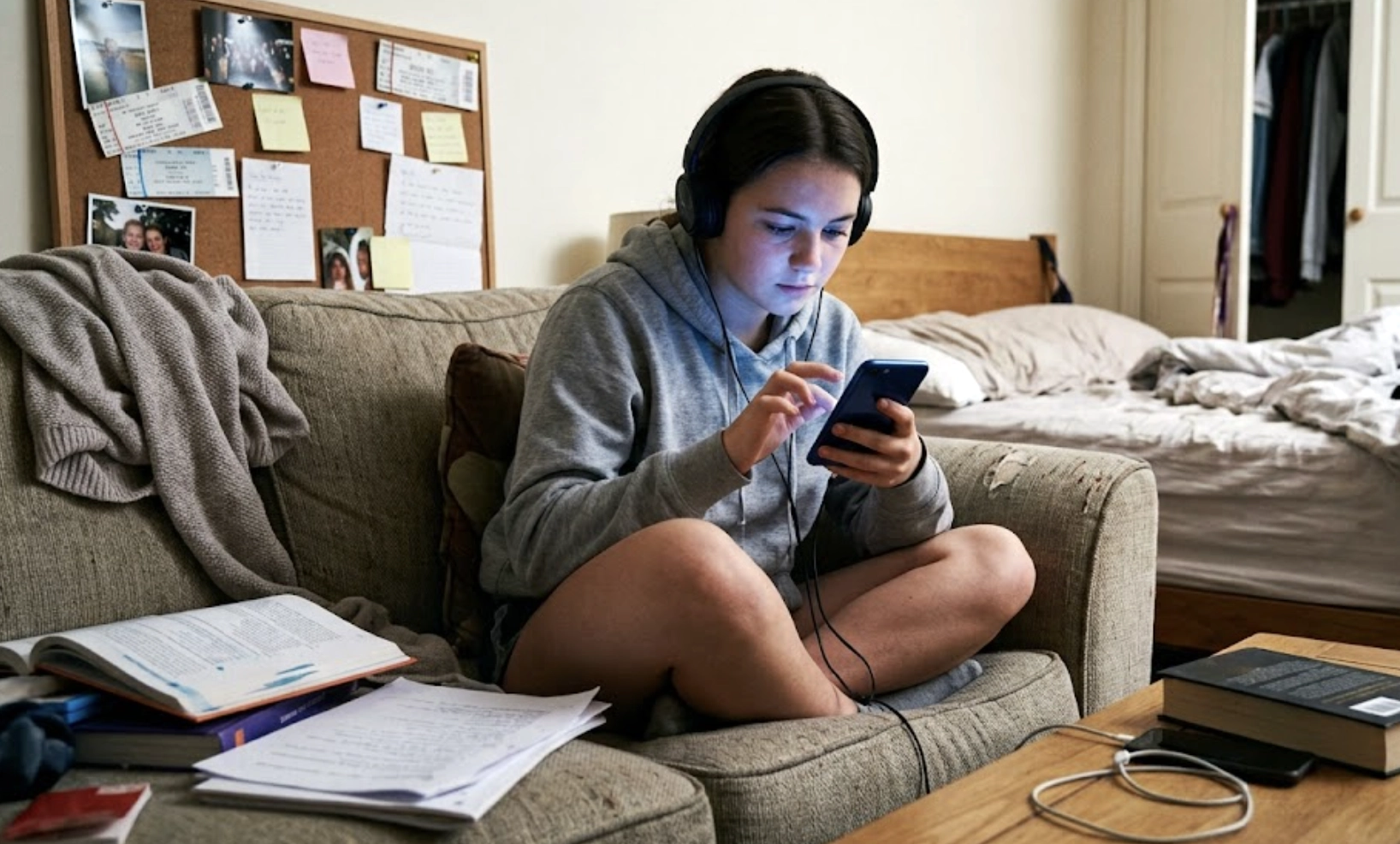
If you have a child on New York Medicaid who needs intensive mental health support at home, this settlement is about you — even though it comes with no check. It forces the state to build out the services, not to pay families.


What Is This About?
A federal court has approved a class action settlement that requires New York State to overhaul how it provides Medicaid-funded mental and behavioral health services to children. The case is C.K. v. McDonald (formerly C.K. v. Bassett), No. 2:22-cv-01791, in the U.S. District Court for the Eastern District of New York before Judge Nusrat J. Choudhury. The parties signed the settlement agreement in August 2025, and the court held a fairness hearing on January 6, 2026 before granting final approval.The lawsuit was brought against the commissioners of the New York State Department of Health (DOH) and the Office of Mental Health (OMH) — the agencies that run New York's Medicaid program. It alleged that the state failed to provide intensive home and community-based mental health services that federal Medicaid law, the Americans with Disabilities Act, and Section 504 of the Rehabilitation Act require for children who need them. Those were allegations; the case never went to trial, and the state denies wrongdoing (more on that below).
The single most important thing to understand up front: this settlement sought no money and pays no money to families. It is what lawyers call injunctive relief — the state agreed to change how the system works, not to write checks to class members. There is no fund, no claim form, and nothing to file.
Who's Covered
The court certified two classes. Broadly, they cover current or future Medicaid-eligible children in New York under the age of 21 who have a diagnosed mental or behavioral health condition — one not attributable to an intellectual or developmental disability — for whom a licensed practitioner has recommended intensive home and community-based mental health services. A second, ADA-based class covers such children who are institutionalized or at serious risk of being institutionalized because of their condition.The classes do not include children whose only diagnosis is an addiction disorder, or children with an intellectual or developmental disability but no mental health diagnosis. If your child is on Medicaid in New York and has a mental or behavioral health condition that a provider says calls for intensive at-home support, this settlement is meant to reach you — you do not sign up or opt in to a class; membership is automatic based on those criteria.
Free settlement alerts
Get notified when new class actions open to claims
Join thousands of readers who get the latest class action settlements you may qualify for — delivered straight to your inbox.
What New York Agreed to Do
The heart of the agreement is a set of four intensive services — the settlement calls them the "Relevant Services" — that the state must build out and deliver to eligible children statewide:- Intensive Care Coordination (ICC) — a single care coordinator and a child-and-family team that plans and manages services across systems, including through High Fidelity Wraparound.
- Intensive Home-Based Behavioral Health Services (IHBBHS) — frequent therapeutic support delivered in the child's home or community.
- Mobile Crisis Services — crisis response available statewide, 24 hours a day, seven days a week, without prior insurer approval.
- Medicaid Home and Community-Based (HCBS) Waiver Services — respite, caregiver training, in-home response, and other supports to keep children out of higher-level placements.
To make those real, the state agreed to write detailed service standards, broaden eligibility so a practitioner's recommendation opens the door to care, add more ways for families and providers to make referrals, review Medicaid reimbursement rates regularly, publish public data dashboards, and submit to an independent reviewer who reports to the court. A court-appointed independent reviewer monitors progress, and the agreement builds in annual audits, corrective-action steps, and years of judicial oversight before the state can exit.
Why There's No Money — and Why It Still Matters
It is fair to ask what a settlement is worth if no one gets paid. The answer is access. For a family whose child cycles through emergency rooms or faces an out-of-home placement because in-home services were not available, a system that actually delivers intensive care coordination and mobile crisis response is the thing that was missing. The settlement is designed to make those services reachable across the state rather than concentrated in a few well-served areas.This kind of case — structural reform of a public program rather than a cash payout — is common when the defendant is a government agency and the claim is about services people are legally entitled to. It sits alongside other recent New York matters where the state acted through its agencies and produced no consumer claim form, such as the state's CVS Medicaid overbilling settlement. The mechanism is different, but the takeaway for readers is the same: a real, enforceable outcome that is not a check in the mail.
The State Denies Wrongdoing
New York did not concede the lawsuit's claims. The agreement is explicit that by settling, the defendants do not admit — and specifically deny — any and all liability, and that entering the agreement is not evidence that the state violated any law. The plaintiffs' allegations that the system failed to deliver required services were never adjudicated. The parties chose to settle to avoid further protracted litigation and to improve the service system going forward.One practical note the agreement makes clear: nothing in it limits an individual child's or family's separate legal or administrative remedies. Class members keep their ordinary rights — for example, to appeal a denial of a Medicaid service — because the case resolved only systemwide injunctive and declaratory claims, not individual claims.
What Happens Next
Change here is measured in years, not weeks. The state has roughly 18 months from the settlement's effective date to develop and seek approval of an Implementation Plan spelling out the new standards, eligibility criteria, and rates. After that, a multi-year rollout — generally up to eight years — begins, with annual audits and quality-improvement reporting, and the court keeps jurisdiction until the state meets defined exit criteria.For families, the honest near-term guidance is simple: keep working with your child's providers and managed care plan on the services your child needs now, and expect New York's Medicaid mental health offerings for children to expand over the coming years as the plan is built and rolled out. If you were a class member and had views on the deal, the window to object closed on November 21, 2025 ahead of the January 6, 2026 fairness hearing.
Frequently Asked Questions
Is there money to claim from the New York Medicaid mental health settlement?
No. C.K. v. McDonald sought no money damages, and the settlement includes no fund and no claim form for class members. It is injunctive relief — the state agreed to change how it delivers Medicaid mental health services for children, not to pay anyone. There is nothing to file.
Who is covered by the settlement?
Two certified classes of current or future Medicaid-eligible children in New York under age 21 who have a diagnosed mental or behavioral health condition (not attributable to an intellectual or developmental disability) for whom a licensed practitioner has recommended intensive home and community-based services, plus an ADA class of such children who are institutionalized or at serious risk of institutionalization. Children with only an addiction disorder, or an intellectual/developmental disability without a mental health diagnosis, are not included.
What does New York have to do?
The state's Department of Health and Office of Mental Health agreed to redesign and expand four intensive services for eligible children — Intensive Care Coordination, Intensive Home-Based Behavioral Health Services, Mobile Crisis Services, and Medicaid Home and Community-Based Waiver Services — including new standards, broader eligibility, more access points, regular rate reviews, public data dashboards, and an independent reviewer reporting to the court.
Did New York admit it did anything wrong?
No. The agreement states that by settling, the defendants do not admit and specifically deny any and all liability. The plaintiffs' allegations that the state failed to provide required services were never decided by a trial; the parties settled to avoid further litigation and to improve the service system.
When will families see changes?
Gradually. The state has about 18 months from the effective date to develop and seek approval of its Implementation Plan, and the rollout period runs for years — generally up to eight years — with annual audits and court oversight until exit criteria are met. This is a long-term system overhaul, not an overnight change.
Sources
- New York State Office of Mental Health — Proposed Class Action Settlement (C.K. v. McDonald)
- Settlement Agreement (full text, PDF) — New York State Office of Mental Health
- New York State Department of Health — Medicaid Update on the Proposed Settlement