If a teen in your family sets middle-of-the-night alarms for wipe day or falls apart after an offline raid, here is what the video game addiction litigation covers and where new cases stand.
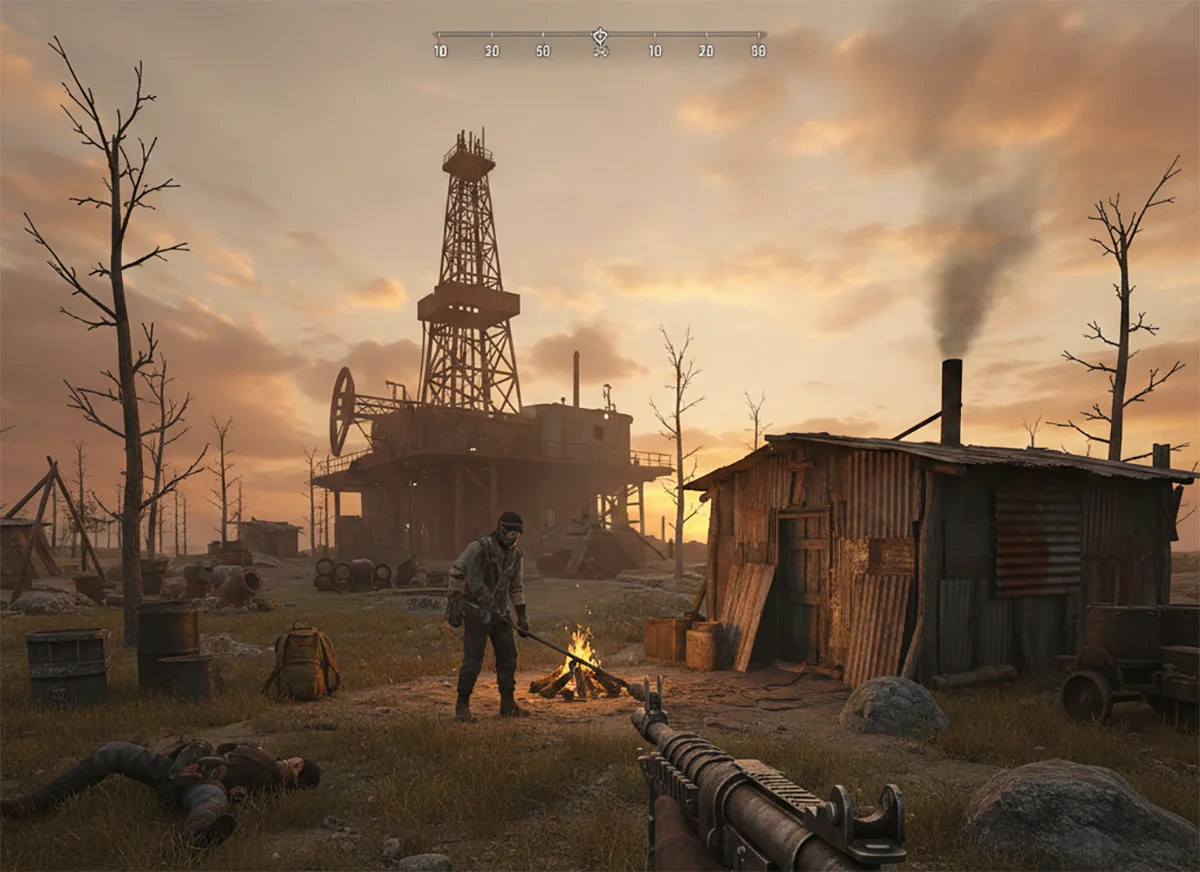

In Rust, the world keeps running when you log off. Other players can raid your base, steal everything you spent hours building, and destroy your progress — all while you're sleeping, at school, or eating dinner with your family.
That fear of losing everything is what keeps players — especially teens — glued to their screens for 8, 12, even 16 hours straight. Some set alarms at 3 AM to check on their base. Others skip school on wipe day to get a head start before other players.
The World Health Organization has officially recognized gaming disorder as a mental health condition. Claims against gaming companies — including Facepunch Studios, the maker of Rust — over the harm these products allegedly cause are still active: the federal MDL was rejected but the lawsuits were not dismissed. There is no settlement or public claim form at this time, and some law firms are still reviewing potential individual cases.
Why Rust Is One of the Most Addictive Games Ever Made
Rust doesn't use loot boxes or flashy reward screens to hook players. It uses something more powerful: the fear of losing everything. Here's how the game is designed to create compulsive, marathon play sessions:• Persistent servers that never stop: Unlike most games, Rust's world runs 24 hours a day, 7 days a week. Your character stays in the game world even after you log off — vulnerable and exposed. Other players can kill your sleeping character, break into your base, and take every item you've collected. This creates a constant, gnawing anxiety about being offline
• Offline raiding: The game's most controversial mechanic. Groups of players deliberately target bases when the owners are offline — asleep, at school, at work. Hours of farming, building, and crafting can be wiped out in minutes while you're away. This is the single biggest driver of compulsive play: players feel they cannot safely log off
• Wipe cycles that erase everything: Rust servers reset on a regular schedule — weekly, biweekly, or monthly. Every wipe erases all progress: bases, weapons, resources, blueprints. Players feel intense pressure to grind as hard as possible during each cycle. The first 24–48 hours after a wipe are especially brutal, with players pulling all-nighters to establish their base before rivals do
• Extreme time investment: Building a secure base in Rust requires hours of repetitive resource gathering — hitting rocks, chopping trees, farming components. The enormous time investment makes the potential loss even more devastating, creating a sunk-cost trap that keeps players logging back in to protect what they've built
• High-stakes PvP with permanent consequences: When you die in Rust, you lose everything you're carrying. A single unlucky encounter can cost you an hour's worth of gathered resources. This creates a constant adrenaline state — the same fight-or-flight response that makes gambling addictive
• Group pressure and clan dynamics: Many players join clans or groups. Members feel obligated to stay online to help defend the group's base, participate in raids, and contribute resources. Logging off feels like letting your team down — especially when the group is under threat
• No pause, no save, no safety net: There is no way to pause Rust. There is no way to save your progress to a file. There is no offline mode where your stuff is safe. The game is specifically designed so that the only way to protect your progress is to keep playing
Anatomy of a Rust Wipe Day: Why Teens Skip School
Wipe day is the single most disruptive event on a Rust server and the design feature most frequently cited in the addiction investigation. Official Facepunch vanilla servers wipe on a forced monthly schedule tied to the first Thursday of each month when the game’s monthly update drops. Thousands of community-run servers layer additional weekly and biweekly wipes on top of that, plus blueprint wipes that also reset progression.The consequences of a wipe are total: bases, tool cupboards, weapons, resources, and blueprints are all erased. The first 24 to 48 hours after a wipe are when the server population peaks and when territory on the map is permanently claimed. Teens routinely describe queuing servers hours before reset, pulling all-nighters to farm starter materials, and skipping school the Friday after a Thursday wipe.
Offline raiding extends the same pressure into every night. Because the Rust world keeps running when a player logs off, rival groups actively scout bases whose owners have gone to sleep or left for work or school. Clan members set alarms in the middle of the night to check on base integrity; some run motion-triggered Discord bots that ping them if an enemy is detected near the wall. There is no offline mode, no pause, and no save file — the game is intentionally designed so that logging off carries a real risk of losing everything.
Rust has peaked above 245,000 concurrent players on Steam, and weekly wipe-day spikes routinely double the game’s average concurrent count. That population curve is what the investigation describes as the signature of a compulsive-play mechanic at scale.
Free settlement alerts
Get notified when new class actions open to claims
Join thousands of readers who get the latest class action settlements you may qualify for — delivered straight to your inbox.
The Real Harm of Rust Addiction
Rust addiction isn't a joke or a meme about "one more rock." It causes serious, documented harm — especially to teens and young adults:Severe sleep deprivation:
• Players set alarms at 2 AM, 3 AM, 4 AM to check if their base is being raided
• Marathon sessions of 12–20+ hours during wipe day and the days following
• Chronic sleep disruption that damages developing brains and immune systems
• Falling asleep in class, at work, or while driving
Mental health damage:
• Intense anxiety about being offline (“What if I get raided?”)
• Depression and rage after losing hours of progress to a raid
• Diagnosed gaming disorder (WHO-recognized condition)
• Emotional volatility and outbursts
• In severe cases, suicidal ideation linked to gaming addiction
Academic and career destruction:
• Skipping school on wipe day to get a head start
• Failing classes from all-night gaming sessions
• Losing jobs from calling in sick to play
• Dropping out of school entirely
Physical health problems:
• Computer vision syndrome from staring at screens for 12+ hours
• Carpal tunnel and repetitive stress injuries
• Dehydration and malnutrition from skipping meals during sessions
• Weight gain from sedentary marathon play
• Seizures in susceptible individuals
Social isolation:
• Real-world relationships replaced by clan relationships
• Missing family events, holidays, and milestones
• Withdrawing from friends who don't play Rust
• Inability to maintain real-world social connections
Where the Rust Addiction Cases Stand
The video game addiction litigation is still active. The Judicial Panel on Multidistrict Litigation declined to create a consolidated MDL (Panel No. 3109 was denied in June 2024 and a second request, No. 3168, was denied in December 2025), but that rejection did not dismiss the underlying lawsuits — individual cases continue and California state cases are coordinated as JCCP No. 5363. There is no settlement and no public claim form at this time, and some law firms are still reviewing potential individual cases involving serious, documented harm. Separately, the Social Media Addiction Lawsuit covers harm to minors from platforms like Instagram, TikTok, Snapchat, YouTube, and Facebook — a different, ongoing case, not a replacement for the video game cases.What Parents Should Know About Rust
Rust is not like other games your child might play. Here's why it's uniquely dangerous:• You can't just “pause” it. There is literally no pause button. The game world runs continuously. If your child stops playing, they risk losing everything
• Other players attack while your child sleeps. Offline raiding is a core feature, not a bug. Your child's hours of work can be destroyed overnight
• Wipe day creates all-nighters. When the server resets, there's an artificial race to build up before everyone else. Many players stay up 24+ hours straight
• The game is rated M for Mature (17+) but is widely played by teens as young as 13
• The community can be extremely toxic. Voice chat includes verbal abuse, racial slurs, and targeted harassment — which compounds the mental health impact
Warning signs that your child's Rust play has crossed into addiction:
• They set alarms in the middle of the night to check their base
• They refuse to go to school or work on wipe day
• They play for 8+ hours without taking a break
• They become extremely angry or distraught when raided
• They skip meals and showers during play sessions
• They talk about needing to “defend” or “protect” their base as if it were real
• Their sleep schedule is destroyed
• They've become hostile or withdrawn in real life
These aren't just bad habits. When a game is designed so that the only way to protect your progress is to never stop playing, the company that built it bears responsibility for the consequences.
Sources
• World Health Organization — Gaming Disorder (ICD-11)• Cleveland Clinic — Video Game Addiction
Video game addiction cases are still being reviewed
There is no settlement claim form or federal MDL
Some law firms are still reviewing potential individual cases involving serious, documented harm. To find out whether you may have an individual case, you would generally speak with a licensed attorney who handles this litigation. Submitting information does not guarantee representation, eligibility, compensation or the filing of a lawsuit.
Separately, social media addiction lawsuits (Instagram, TikTok, Snapchat, YouTube, Facebook) are a different, ongoing litigation — not a replacement for the video game cases.