Published
May 5, 2026
Updated
August 14, 2026
If you bought an Ashley, Nectar, DreamCloud, or Siena mattress with fiberglass between Oct 2017 and Jun 2024, you can claim a voucher from this $9 million settlement — no proof required, file by July 17, 2026.

What Is the Ashley Furniture Mattress Class Action Settlement?
Did you buy a memory-foam or hybrid mattress from Ashley Furniture, Nectar, DreamCloud, or Siena Sleep between late 2017 and mid-2024 and later discover the mattress contained fiberglass as a fire-retardant? You may be eligible for a voucher under a $9 million class action settlement now open for claims. The deadline to file is July 17, 2026.The Ashley Furniture mattress lawsuit, captioned Todd v. Ashley Furniture Industries, LLC, Case No. 3:24-cv-00615, is pending in the United States District Court for the Western District of Wisconsin. The case names three defendants: Ashley Furniture Industries, LLC; Ashley Global Retail, LLC; and Resident Home LLC. Resident Home is the parent company of three popular direct-to-consumer memory foam mattress brands (Nectar Sleep, DreamCloud, and Siena Sleep), and many consumers do not realize that the four brand names share corporate ownership.
The plaintiffs alleged that the defendants used fiberglass as a fire-retardant material in the inner sock of certain memory-foam and hybrid mattresses without adequately warning consumers about the risks of fiberglass exposure when the outer mattress cover is removed. Mattress covers with zippers, the plaintiffs argued, invited consumers to remove them for laundering, which then released fiberglass shards into homes. Ashley, Ashley Global Retail, and Resident Home all deny wrongdoing and are settling without admitting liability.
Status
Claims Closed
Claim Deadline
July 17, 2026
same date applies to opt-out and objection deadlines
Estimated Payout
Pro Rata Voucher per Mattress
$9M Common Voucher Fund · possible pro rata cash component
Proof Required
No
name, mailing address, and email only
30-Second Self-Test: Do I Qualify for the Ashley Mattress Settlement?
If you can answer yes to all three questions, you likely qualify for the Ashley Furniture mattress settlement.• Did you purchase a mattress from Ashley Furniture, Nectar Sleep, DreamCloud, or Siena Sleep between October 1, 2017 and June 30, 2024? The class period spans nearly seven years and covers all four brands operated by the named defendants.
• Did the mattress contain fiberglass in the inner sock as a fire-retardant? Many memory-foam and hybrid mattresses from these brands used fiberglass as a fire-retardant during the class period. If you removed the cover and saw small shards of glass-like material, or if you saw "fiberglass" listed in the product warnings, your mattress likely contains it. The Settlement Administrator can verify against purchase records.
• Did you purchase the mattress in the United States as an end consumer? Wholesale, commercial, and resale purchases are excluded. The class is limited to individual end consumers in the United States.
If you answered yes to all three, head to the official Settlement Website to file your claim by July 17, 2026. Class members do not need to remember the exact mattress model or have purchase receipts to file. The Settlement Administrator can verify claims against purchase records using the email address used at checkout.
Free settlement alerts
Get notified when new class actions open to claims
Join thousands of readers who get the latest class action settlements you may qualify for — delivered straight to your inbox.
Why Fiberglass in Mattresses Triggered Multiple Class Actions
Federal regulation 16 CFR section 1632.3 requires all mattresses sold in the United States to include flame-retardant materials capable of withstanding open flame and smoldering cigarette ignition tests. Higher-end mattress manufacturers typically meet that requirement using wool-based barriers, rayon barriers, or specialty fire socks made of nonwoven fabric. Many affordable bed-in-the-box manufacturers, however, opted to use fiberglass woven into the inner sock of the mattress because fiberglass is inexpensive, lightweight, and effectively fire-resistant.The plaintiffs' theory in Todd v. Ashley Furniture is that fiberglass-containing mattresses create a foreseeable contamination risk because of the way they are constructed. The outer cover is typically zippered, which suggests to a reasonable consumer that the cover can be removed for laundering. When a consumer removes the cover, however, the inner fiberglass sock is exposed, and the tiny glass shards can become airborne. Once airborne, the shards can spread throughout a home, embedding in carpet, drapery, upholstered furniture, and clothing. Remediation in severe cases has cost consumers thousands of dollars, including replacement of soft furnishings and professional cleaning.
Similar lawsuits have been filed against other bed-in-the-box manufacturers, including Zinus. Resident Home (parent of Nectar, DreamCloud, and Siena) was named alongside Ashley in the Todd case because Ashley and Resident Home jointly distributed certain mattresses through both companies' retail channels. The settlement resolves claims against all three corporate defendants.
Which Mattress Brands Are Covered? (Ashley, Nectar, DreamCloud, Siena)
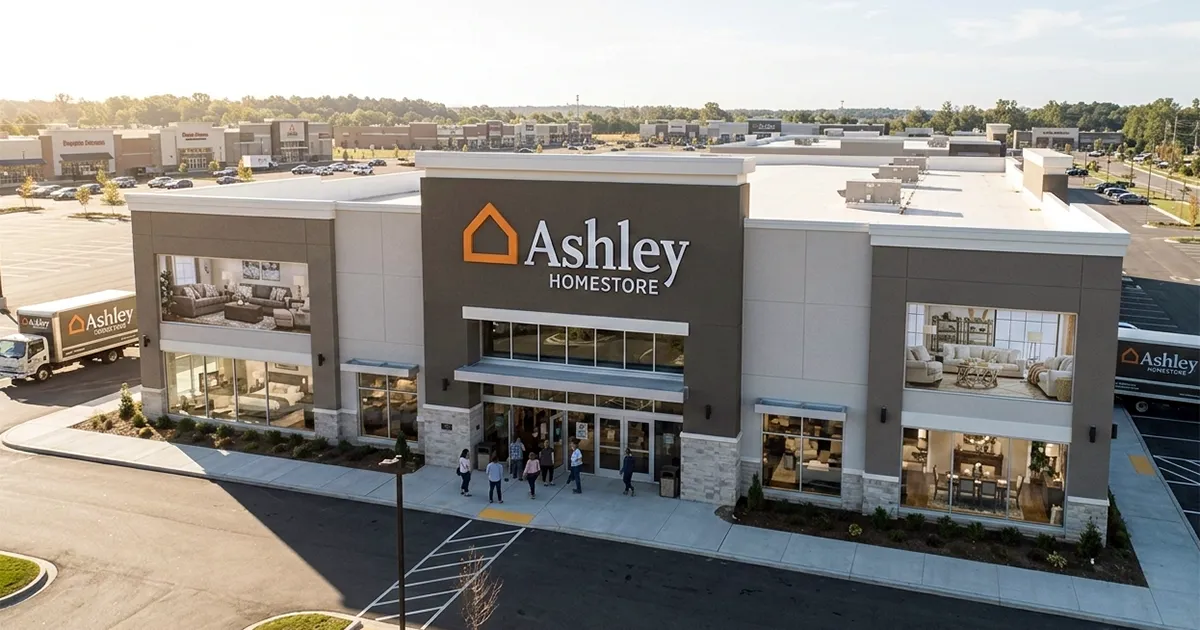
The settlement explicitly covers Affected Mattresses sold through any of the following channels and brands during the class period:• Ashley Furniture mattresses sold through AshleyFurniture.com, Ashley HomeStores (corporate-owned), and authorized Ashley retail channels. This includes the Ashley Sleep brand and various Ashley-branded memory foam and hybrid models. Class members searching for "Ashley fiberglass mattress settlement" or "Ashley Sleep fiberglass" landed on the right page.
• Nectar Sleep mattresses sold through NectarSleep.com and authorized retail channels. Nectar is one of the most popular direct-to-consumer memory foam brands and was one of the mattresses most frequently associated with fiberglass-exposure complaints during the class period. The Nectar mattress fiberglass complaints that have circulated on consumer forums for years are the same product issue this settlement addresses.
• DreamCloud mattresses sold through DreamCloudSleep.com and authorized retail channels. DreamCloud's hybrid models in particular used fiberglass in the inner sock during the class period. DreamCloud fiberglass complaints have also been widely reported, and DreamCloud buyers are class members in this settlement.
• Siena Sleep mattresses sold through SienaSleep.com and authorized retail channels. Siena is a budget-tier Resident Home brand commonly sold through Amazon and other third-party online retailers.
The vouchers issued under the settlement are redeemable at any of the four brand websites: AshleyFurniture.com, NectarSleep.com, DreamCloudSleep.com, or SienaSleep.com. A class member who received a voucher through an Ashley mattress purchase can use it on a Nectar, DreamCloud, or Siena product, and vice versa. There is no minimum purchase required to use the voucher.
Who Is Included in the Settlement Class?
The Settlement Class is defined as all individual end consumers who purchased an Affected Mattress in the United States from October 1, 2017 to June 30, 2024, where the mattress was designed, manufactured, produced, distributed, sold, or marketed by the defendants and contained fiberglass as a fire-retardant material in the inner sock of the mattress.Three structural requirements apply:
• U.S. purchase by an individual end consumer. Wholesale buyers, hotel and hospitality buyers, retailers reselling the product, and corporate or institutional buyers are not class members.
• Class period of October 1, 2017 to June 30, 2024. Mattresses purchased before October 1, 2017 or after June 30, 2024 are not covered.
• Fiberglass in the inner sock specifically. The class is defined by the construction of the mattress, not by whether the consumer experienced an actual fiberglass leak. A class member who never removed the mattress cover and never had a contamination event still qualifies as long as the mattress contained fiberglass in the inner sock during the class period.
What Benefits Does the Ashley Mattress Settlement Provide?
Eligible class members who file a valid claim by July 17, 2026 receive one voucher per Affected Mattress purchased during the class period. The exact dollar value of each voucher is determined after the claim window closes:• Pro rata voucher value. The $9 million Common Voucher Fund is divided by the total number of valid claims (each Affected Mattress counts as one claim slot). For example, if 90,000 valid claims are submitted, each voucher would be worth $100. If 180,000 valid claims are submitted, each voucher would be worth $50. The actual per-claim value will not be known until after the July 17, 2026 deadline passes and the Administrator processes claims.
• No minimum purchase required. The voucher can be applied to any single purchase at AshleyFurniture.com, NectarSleep.com, DreamCloudSleep.com, or SienaSleep.com with no minimum order value.
• Possible pro rata cash component. If the court awards Class Counsel less than $3 million in attorneys' fees and costs, the difference is redistributed to class members as a pro rata cash payment. This is an unusual structure designed to ensure that settlement value flows to class members rather than fee shortfalls reverting to the defendants.
• One voucher per Affected Mattress. A class member who purchased two qualifying mattresses (such as one Ashley and one Nectar) is entitled to two vouchers. Larger families with multiple mattress purchases during the class period stand to benefit proportionally.
How to File an Ashley Mattress Class Action Claim
Filing a claim under the Ashley Furniture mattress settlement is a single-step online process. Class members do not need to provide receipts, photos of the mattress, or model numbers; only three pieces of information are required.• Online (recommended): Visit the official Mattress Class Action Settlement portal and complete the online Claim Form. The form requires only your name, mailing address, and email address.
• By mail: A paper Claim Form is available for download from the Settlement Website and may be mailed to the address listed on the form, postmarked no later than July 17, 2026.
The Settlement Administrator (Epiq) will verify class membership using the email address provided and Ashley, Nectar, DreamCloud, and Siena's purchase records. If you have receipts or order confirmations and want to attach them, the online portal accepts uploads, but they are not required.
Key Ashley Mattress Settlement Deadlines
• Submit a claim by: July 17, 2026
• Opt out of the settlement by: July 17, 2026
• Object to the settlement by: July 17, 2026
• Final Approval Hearing: September 24, 2026 at 1:00 p.m. CDT, before the U.S. District Court for the Western District of Wisconsin
All three deadlines fall on the same date, which is unusual. Class members who do not act by July 17, 2026 are deemed to have remained in the class without filing a claim, meaning they will be bound by the settlement but will not receive any voucher.
When Will I Receive My Ashley Mattress Settlement Voucher?
Vouchers will be distributed only after the court grants final approval at the September 24, 2026 fairness hearing and any appeals are resolved. If approval is granted on schedule and no appeals are filed, vouchers would likely be distributed in late 2026 or early 2027. The Settlement Administrator (Epiq) will calculate the per-voucher dollar value based on total valid claims and issue the vouchers electronically to the email address class members provided when filing.Federal class action settlements of this scale typically see voucher distribution within 60 to 120 days of final approval, once the appeals window has closed. If appeals are filed, the timeline can extend by a year or more.
What Happens If I Do Nothing?
If you do nothing, you remain in the class and will be bound by the settlement if the court approves it, but you will not receive a voucher. You will also give up your right to sue Ashley, Ashley Global Retail, or Resident Home for any claims relating to the fiberglass content of the covered mattresses. If you want the voucher, you must submit a valid claim by July 17, 2026.For class members who currently own a fiberglass-containing mattress and have not experienced a contamination event, doing nothing is not the optimal choice. A claim takes only a few minutes, requires no documentation, and the voucher (whatever the final pro rata value) can be used toward a fiberglass-free replacement at any of the four brand sites. Class members who experienced an actual fiberglass-leak contamination event with significant property damage may want to consider opting out and pursuing individual claims separately, particularly if their damages substantially exceed any reasonable voucher value.
How to Opt Out or Object to the Settlement
Class members who do not want to be bound by the settlement have two options other than filing a claim or doing nothing: opting out (excluding themselves from the class) or objecting (staying in the class but raising concerns with the court). Both must be in writing, and both have the same July 17, 2026 deadline.Opting out means the class member gives up the right to receive a voucher but retains the right to sue Ashley, Ashley Global Retail, and Resident Home individually for the same legal claims. Class members with significant documented property damage from a fiberglass leak (remediation costs, replaced furnishings, medical bills) may have stronger individual claims that justify opting out and pursuing damages separately.
Objecting means the class member stays in the class and remains eligible for the voucher but tells the court that some part of the settlement is unfair or inadequate. The objection must include the class member's contact information, the basis for the objection, and a statement of whether the class member intends to appear at the September 24, 2026 fairness hearing.
Other Ashley Furniture and Mattress Class Action Settlements
The fiberglass mattress settlement is one of several class actions involving Ashley Furniture and mattress retailers in recent years. OCA covers related class actions on separate pages:• The Ashley Furniture false-pricing class action settlement (Aberl v. Ashley Furniture Industries) covered consumers who purchased products at allegedly misleading "discount" prices through ashleyfurniture.com or Ashley corporate-owned stores between 2017 and 2022. That settlement closed for claims in December 2023 and is unrelated to the fiberglass mattress matter, but the same defendant is involved.
• The Sealy 1250 thread count bedding class action settlement covers a separate textiles claim regarding allegedly misrepresented thread count on Sealy bedding products. Class members who own multiple bedding products may qualify for both settlements.
A consumer who purchased multiple Ashley products (such as both a fiberglass-containing mattress and a discounted living-room set) may have qualified for the older false-pricing settlement and also qualify for the current fiberglass settlement. The two settlements are independent.
Lawyers Representing the Class
The court has appointed Class Counsel to represent the Settlement Class. Class members are not personally responsible for paying Class Counsel; attorneys' fees in cases of this kind are paid from the Settlement Fund subject to court approval. Class Counsel will request fees and costs not to exceed $3 million from the $9 million Common Voucher Fund. If the court awards less than $3 million, the difference flows to claimants as a pro rata cash component (a structural feature specifically designed to keep settlement value flowing to class members rather than reverting to the defendants).Claim Form Website: MattressClassActionSettlement.com
Submit Claim
Official Settlement Notice
Sources
• Official Settlement Website: MattressClassActionSettlement.com• Todd v. Ashley Furniture Industries, LLC, Case No. 3:24-cv-00615, U.S. District Court for the Western District of Wisconsin
• Resident Home LLC corporate ownership of Nectar Sleep, DreamCloud, and Siena Sleep brands
Filing Class Action Settlement Claims
Please submit only truthful information on any Claim. False or fraudulent claims can be rejected and may lead to penalties. If you are not sure whether you qualify, review the eligibility information at MattressClassActionSettlement.com or contact the Settlement Administrator. OpenClassActions.com is a consumer news site and is not the Settlement Administrator or a law firm, and we do not process or decide claims.
For more class actions keep scrolling below.
Settlement Amount
$9,000,000
Common Voucher Fund
Case Title
Todd v. Ashley Furniture Industries, LLC
Case Number
3:24-cv-00615
Court
U.S. District Court, Western District of Wisconsin
Final Approval Hearing
September 24, 2026 at 1:00 p.m. CDT
Administrator
Epiq
Official Website
Mattress Class Action Settlement.com