If your implanted port ("port-a-cath") fractured, moved, or led to a clot or infection, there are actually two separate lawsuits depending on who made your device. Here is how the Bard (MDL 3081) and AngioDynamics (MDL 3125) cases differ, and where each one stands.

Allegations Only · No Settlement Yet
This page describes active litigation. The statements below are unproven allegations. C.R. Bard, Becton Dickinson, AngioDynamics, and Navilyst have not been found liable, no class has been certified, and there is no settlement or claim form at this time. Eligibility depends on the facts of each case. This page is informational and is not legal or medical advice. Do not stop using any prescribed medical device or treatment without consulting your doctor.
What Is This About?
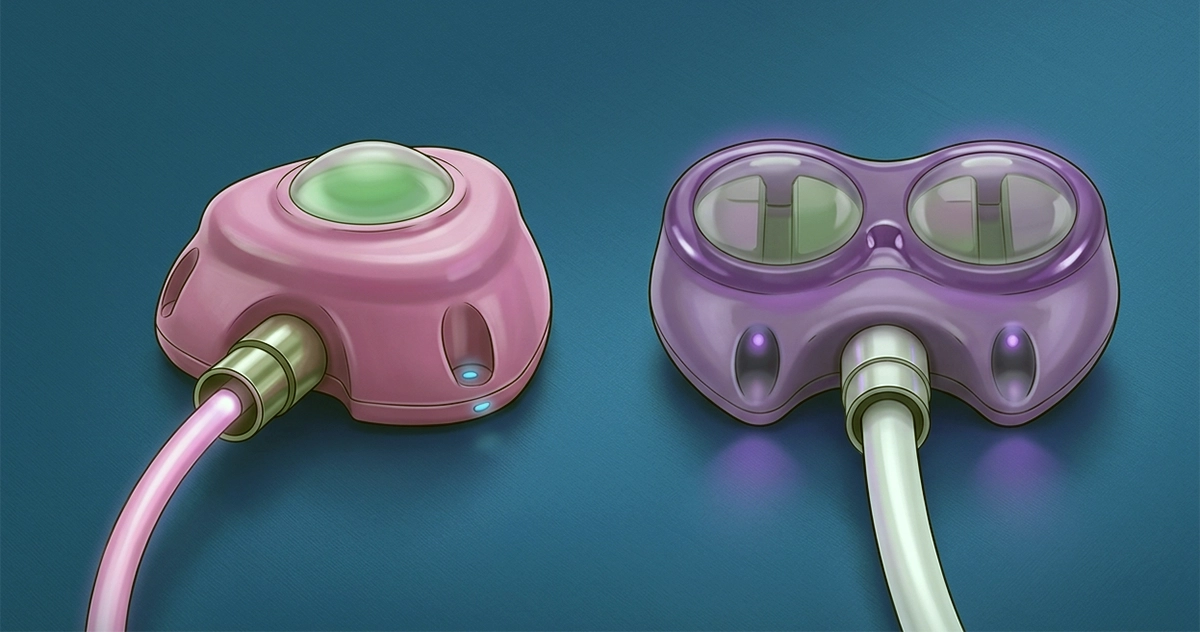
An implanted port — sometimes called a "port-a-cath" or simply a port — is a small device placed under the skin, usually in the chest, with a thin catheter that threads into a large vein. It gives clinicians long-term access to the bloodstream for chemotherapy, IV medication, nutrition, or blood draws. Millions of these devices have been implanted.Patients who were implanted with certain ports have filed lawsuits alleging the devices are defective. The federal cases are split into two separate multidistrict litigations, organized by manufacturer:
• MDL 3081 — In re: Bard Implanted Port Catheter Products Liability Litigation, in the U.S. District Court for the District of Arizona, before Judge David G. Campbell. It covers C.R. Bard and Becton Dickinson (BD) PowerPort devices.
• MDL 3125 — In re: AngioDynamics, Inc., and Navilyst Medical, Inc., Port Catheter Products Liability Litigation, in the U.S. District Court for the Southern District of California, before Judge Jinsook Ohta. It covers AngioDynamics and Navilyst ports.
The two cases are against different companies and are proceeding on their own separate schedules, but they raise strikingly similar allegations. These are individual injury lawsuits coordinated for pretrial handling — not class actions — and the allegations have not been proven.
What Do the Lawsuits Allege?
Both sets of plaintiffs make similar core allegations. They allege the implanted port catheter is prone to fracture, cracking, and pitting, and that a fractured catheter can break apart and migrate — with fragments potentially traveling through the bloodstream toward the heart or lungs. Plaintiffs allege this can lead to:• Blood clots (thrombosis) around or downstream of the catheter
• Serious or systemic infection, including bloodstream infection
• Injury to blood vessels, the heart, or surrounding tissue
• Cardiac complications and the need for surgery to retrieve fragments or replace the device
In both MDLs, plaintiffs allege a common material-defect theory: that the catheter's polymer is compounded with barium sulfate (added so the catheter shows up on imaging), and that the amount or distribution of that barium sulfate weakens the material over time — producing the surface cracks, fissures, and fractures at the heart of the cases. The companies dispute these allegations, and none of them has been established as fact in a trial.
Free settlement alerts
Get notified when new class actions open to claims
Join thousands of readers who get the latest class action settlements you may qualify for — delivered straight to your inbox.
The Bard PowerPort Cases (MDL 3081)
The Bard litigation is the larger and older of the two. It was centralized in the District of Arizona in August 2023 and, as of the JPML's July 1, 2026 report, had roughly 3,564 actions pending — a number that has been climbing month over month. Plaintiffs target the Bard PowerPort line and allege the ChronoFlex polyurethane catheter, compounded with barium sulfate, is prone to the fractures and failures described above.The Bard MDL reached a key milestone in spring 2026 with its first bellwether trial, Cook v. Becton, Dickinson and Co. — a test case built around an infection injury. The result was mixed rather than a clean win for either side: the jury rejected the failure-to-warn, negligence, and consumer-fraud claims and found the plaintiff's infection was not caused by the device, but it deadlocked on the design-defect claim. The plaintiff's side sought a new trial. Additional bellwether trials — covering infection, thrombosis, and fracture injury groups — are scheduled through early 2027. There is no global settlement.
For a deeper, Bard-specific breakdown — including the alleged defect mechanism and who may qualify — see our dedicated Bard PowerPort lawsuit page.
The AngioDynamics & Navilyst Cases (MDL 3125)
The AngioDynamics litigation is newer and smaller. It was centralized in the Southern District of California in October 2024 and, per the JPML's July 1, 2026 report, had roughly 401 actions pending. It covers AngioDynamics and Navilyst port devices — including products marketed as SmartPort, Vortex, Xcela, and BioFlo — and advances the same barium-sulfate-related defect theory as the Bard cases.This MDL is still in early pretrial. Through 2026 the parties have been selecting an initial pool of bellwether cases and completing plaintiff and defendant fact sheets, with the pool to be narrowed later in the year. First trials are not expected until around 2028. As with the Bard cases, there is no settlement and no claim form.
Who May Be Affected?
The people these cases concern are generally those who were implanted with a Bard, AngioDynamics, or Navilyst port and later experienced a documented complication such as a fractured or migrated catheter, a blood clot, a serious infection, or an injury requiring the device to be removed or replaced. Which lawsuit applies depends on which company made the device — information recorded in the surgical and hospital records, the device identification card, and billing records.Because these are individual lawsuits rather than a class action or settlement, there is nothing to "claim" here and no online form to file. Statutes of limitations vary by state, so anyone who believes they were seriously injured by an implanted port should speak with a physician and, if they wish, a qualified attorney about their options.
Frequently Asked Questions
What is the implanted port catheter lawsuit about?
Patients implanted with certain port catheters (also called ports or port-a-caths) allege the devices are prone to fracture, cracking, and migration, and that a failed catheter can cause blood clots, serious infection, and injury to blood vessels or the heart. There are two separate federal MDLs — one over Bard PowerPort devices (MDL 3081) and one over AngioDynamics and Navilyst devices (MDL 3125). These are unproven allegations.
What is the difference between MDL 3081 and MDL 3125?
MDL 3081, In re: Bard Implanted Port Catheter Products Liability Litigation, is in the District of Arizona before Judge David G. Campbell and covers C.R. Bard / Becton Dickinson PowerPort devices. MDL 3125, In re: AngioDynamics and Navilyst Port Catheter Products Liability Litigation, is in the Southern District of California before Judge Jinsook Ohta and covers AngioDynamics and Navilyst ports such as SmartPort, Vortex, Xcela, and BioFlo. They are separate cases against different manufacturers, but they raise similar allegations.
Is there a port catheter settlement or claim form?
No. As of mid-2026 there is no settlement, no settlement fund, and no public claim form for either MDL. These are individual personal-injury lawsuits handled through each plaintiff's own attorney, not a class action with an online claim portal. Any per-case dollar figures circulated online are speculative attorney estimates, not agreed or court-approved amounts.
What injuries do plaintiffs allege the port catheters caused?
Plaintiffs allege catheter fracture and degradation, migration or embolization of catheter fragments, blood clots (thrombosis), serious or systemic infection, and injury to blood vessels or the heart. Plaintiffs in both MDLs allege a barium-sulfate-related material defect weakens the catheter over time. These remain allegations that have not been proven.
How far along are the port catheter cases?
The Bard MDL is further along: its first bellwether trial (Cook v. Becton, Dickinson) was tried in spring 2026 and ended in a mixed result — the jury rejected several claims and found the plaintiff's infection was not caused by the device, but deadlocked on the design-defect claim. Additional Bard bellwether trials are scheduled into 2027. The AngioDynamics MDL is younger and still in early pretrial, with bellwether selection ongoing in 2026 and first trials not expected until around 2028.
Related Mass Torts & Sources
• Bard PowerPort lawsuit — our dedicated page on the Bard side of this litigation (MDL 3081).• Bard & Davol hernia mesh lawsuit (MDL 2846) — a separate device MDL against the same manufacturer.
• Exactech implant recall lawsuit (MDL 3044) — recalled orthopedic implants alleged to fail prematurely.
Primary sources: the U.S. Judicial Panel on Multidistrict Litigation (JPML) pending-MDL statistics and its 2023 and 2024 transfer orders creating MDL 3081 and MDL 3125; the District of Arizona MDL 3081 and Southern District of California MDL 3125 dockets; and legal trade-press coverage of the first Bard bellwether trial.