More on Lawyer Ethics & Settlement Money
- ABA Model Rule 1.15: client trust accounts — why your settlement check flows through the lawyer's trust account Read the guide →
- ABA Model Rule 1.8(g): aggregate settlements — when a lawyer settles many clients' claims at once Read the guide →
- Common Benefit Fee: the fee assessment that funds shared work in mass tort MDLs Read the guide →
- Pro Rata Distribution: how class action payouts are calculated after fees and costs Read the guide →
- Preliminary Approval: the settlement stage where the fee request first becomes public Read the guide →
More Class Actions

No Proof
Privacy Settlement
$59.5M Flo Period Tracker Privacy Settlement
Pro Rata Cash (No Proof) · Claim by Oct 15, 2026
 HOT
HOT
Automatic
Fees & Billing
Amazon $309.5M Returns Settlement — Missing & Reversed Refunds
A refund you never got back for an Amazon return since September 2017 — most customers are paid automatically, and Subclass B files a claim with the Notice ID from its notice.
 HOT
HOT
Notice / PIN
Banking & Credit
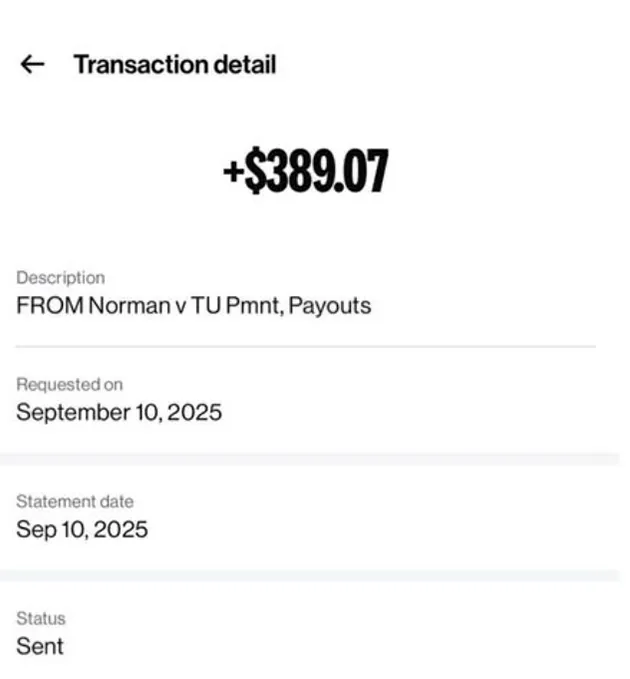
TransUnion $8.31M Bankruptcy Reporting Settlement — $100 to About $1,000
A bankruptcy mark appeared on your credit report when no bankruptcy was on file — $100 arrives automatically for some, and a claim is worth an estimated $1,000.
 HOT
HOT
Notice / PIN
Banking & Credit
Equifax $30M Hard Inquiry Dispute Settlement — Est. $100 to $400
About 3 million people who disputed a hard inquiry with Equifax can claim an estimated $100 to $400, depending on their group.