The push to combine these cases into a federal MDL was rejected, but individual video game addiction lawsuits are still moving through the courts — here is where the litigation stands and what firms are still reviewing.

Video Game Addiction Lawsuit Information
Video game makers were accused of using addictive game design tactics that could keep children and adults engaged for hours each day. These practices often appeared in popular games and were said to create patterns of compulsive use similar to gambling. The investigation examined whether video game companies failed to warn players of the risks. The following video games were among those examined:| Video Games |
|---|
| Halo |
| Fortnite |
| Roblox |
| Minecraft |
| Call of Duty |
| Grand Theft Auto (GTA) |
| League of Legends |
| Rust |
| World of Warcraft |
| Rainbow Six Siege |
| Candy Crush |
| Overwatch |
| Doom |
| Fallout |
| The Elder Scrolls |
| Sea of Thieves |
| Age of Empires |
| Gears of War |
| Forza |
How Do Video Games Cause Addiction?
Game developers often rely on systems designed to keep players engaged far beyond healthy limits. The methods cited in the investigation included:
- • Reward systems designed to trigger dopamine release and compulsive play
- • Loot boxes and in-game purchases that resemble gambling and encourage excessive spending
- • Lack of warnings about the risks of gaming disorder and addiction
- • Minimal parental controls or ineffective time limits to protect children
These tactics were said to contribute to mental, physical, and financial harm for players and their families.
What Are the Harms of Video Game Addiction?
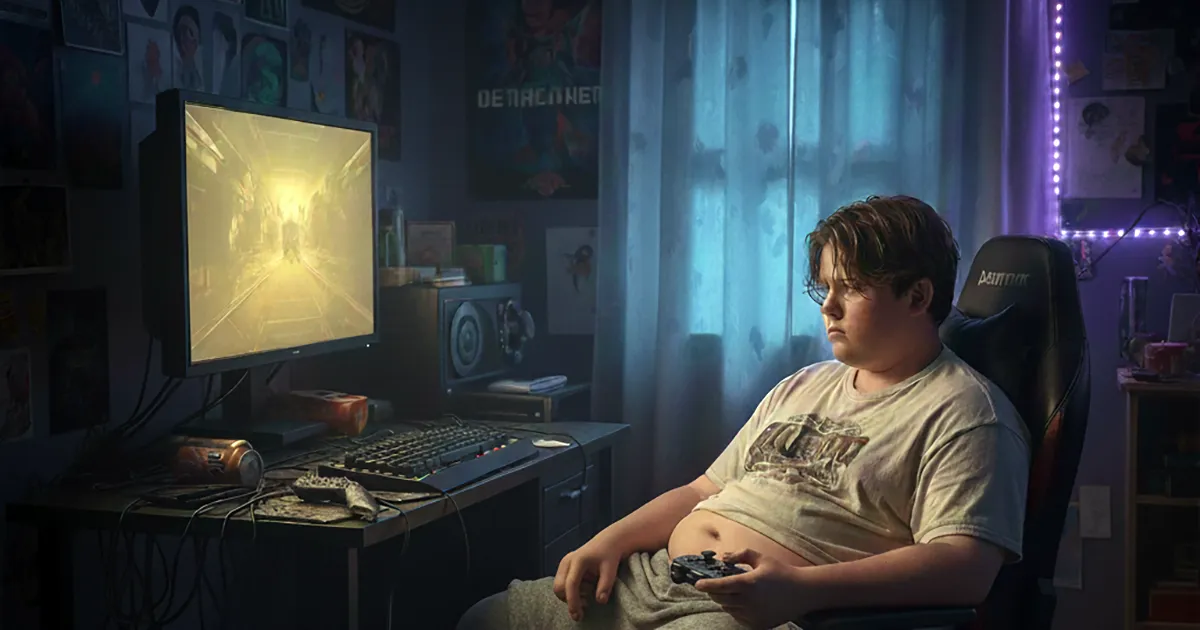
Video game addiction claims alleged that excessive play by children and teens could cause long-term psychological, physical, and economic damage. The concern was not simply “playing too much.” Gaming disorder was described as affecting nearly every part of life:
- • Social isolation: Withdrawing from friends, family, and real-world activities
- • Mental health issues: Anxiety, depression, aggression, emotional outbursts
- • Physical health injuries: Sleep disruption, eye strain, repetitive stress injuries such as “Gamer's Thumb” or carpal tunnel
- • Academic or work decline: Poor grades, missed deadlines, loss of productivity
- • Financial strain: Excessive spending on loot boxes, skins, and other in-game purchases
Where the Video Game Addiction Cases Stand
Video game addiction lawsuits are still active. Lawyers tried to combine many of the federal lawsuits into one multidistrict litigation (MDL) proceeding, but the federal Judicial Panel on Multidistrict Litigation rejected that request — first as MDL No. 3109 in June 2024, then as MDL No. 3168 in December 2025. The rejection did not dismiss the lawsuits; it only means the cases will not all be placed before one federal MDL judge. Individual cases continue in their original courts, related Northern District of California cases are being coordinated for discovery, and California state cases are coordinated as JCCP No. 5363 (Videogame Addiction Cases). There is currently no settlement, compensation fund or public claim form. Some law firms are still evaluating potential individual cases involving serious harm. For the full litigation timeline, see our Video Game Addiction Lawsuit page.Free settlement alerts
Get notified when new class actions open to claims
Join thousands of readers who get the latest class action settlements you may qualify for — delivered straight to your inbox.
Video game addiction cases are still being reviewed
There is no settlement claim form or federal MDL
Some law firms are still reviewing potential individual cases involving serious, documented harm. To find out whether you may have an individual case, you would generally speak with a licensed attorney who handles this litigation. Submitting information does not guarantee representation, eligibility, compensation or the filing of a lawsuit.
Separately, social media addiction lawsuits (Instagram, TikTok, Snapchat, YouTube, Facebook) are a different, ongoing litigation — not a replacement for the video game cases.