More on Privacy & Tracking Lawsuits
- LifeMD Data Privacy Investigation: California residents who started a LifeMD, Rex MD or ShapiroMD questionnaire on or before June 14, 2026 without accepting the terms or creating an account. Attorneys are investigating; no complaint has been filed and there is nothing to claim yet. See who qualifies →
- Video Privacy Protection Act (VPPA): The federal video-tracking statute, with $2,500 statutory damages, often pleaded alongside CIPA. Read the guide →
- ALPR & License Plate Reader Privacy: California's license-plate-reader law — another $5,000-per-violation privacy statute. Learn more →
- Section 230: The federal immunity online platforms invoke — and where it stops. What it covers →
- Otter.ai Wiretap Class Action: A CIPA-style suit alleging the AI notetaker recorded meeting participants without consent. See the case →
More Class Actions
With Proof
Settlements
All Open Class Action Settlements
Browse settlements currently accepting claims — many with no proof required.
 HOT
HOT
No Proof
Consumer Products
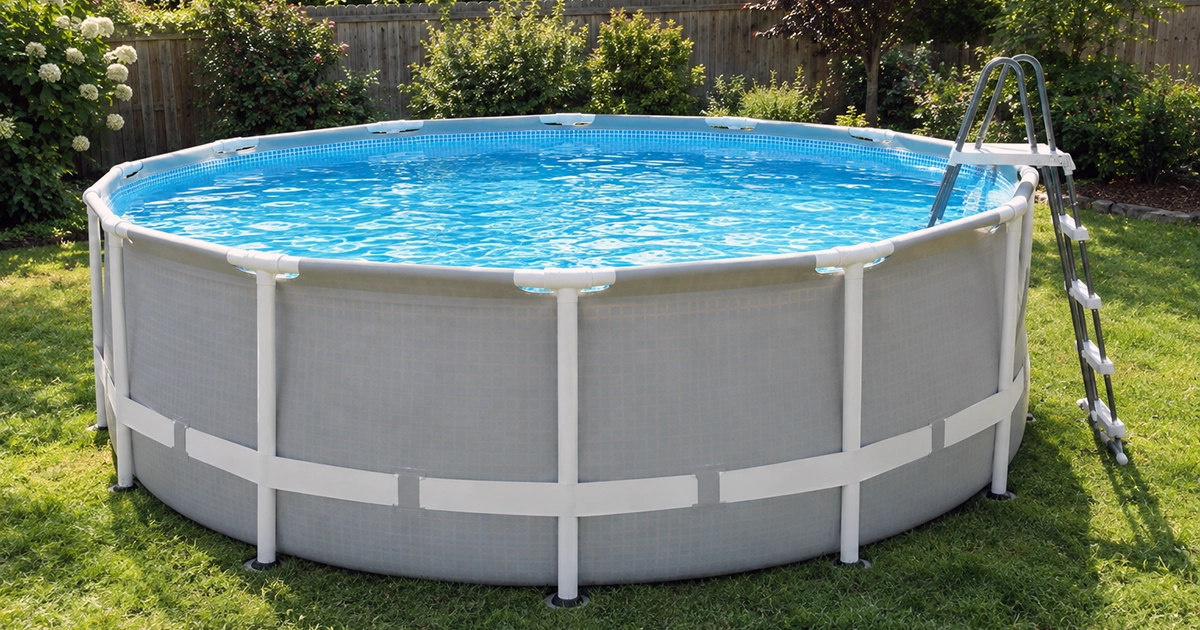
Bestway Above-Ground Pool Class Action Settlement: $15 Million
$40 Cash With No Receipt (or 10% of the Price Paid With Proof of Purchase) · Bestway-Branded Pools 48 Inches or Taller With Compression Straps Outside the Support Legs, Sold 2008–2024 · Power Steel, Steel Pro & Coleman Power Steel · Bought New From a Retailer, One Claim Per Household · $15M Fund
 HOT
HOT
No Proof
WA
Consumer Products
High 5 Games Social Casino Settlement — $12M–$30M for Washington Coin Buyers
A share of the fund scaled to what you spent on virtual coins in High 5 Casino or High 5 Vegas — settled after a jury sided with the plaintiff.

1 Day Left
Notice / PIN
AL
OH
NJ
MA
TN
KY
Consumer Products
Playstudios myVEGAS Settlement — Cash or Free Coins in Six States
Players who bought coins in myVEGAS, Pop! Slots, myKONAMI or MGM Slots Live get free coins, or can elect 23% of their net spend in cash.