Published
June 20, 2026

Allegations Only · No Settlement Yet
This article describes a class action complaint. The statements below are unproven allegations. Amazon and Ring have not been found liable, there is no certified class, and nothing to claim at this time. This page is informational and is not legal advice.
Status
Complaint Filed
Proposed class action · Sigwalt v. Amazon.com, Inc.
Allegation
Face prints of passersby scanned without consent
Suit says Ring's "Familiar Faces" feature scans and stores biometric data of people who never opted in
Damages Sought
At least $5 million
On behalf of a proposed nationwide class · plus injunctive relief
Can I Claim?
No — nothing to claim yet
No settlement, no fund, no claim form at this stage
What Is This About?
Amazon and its Ring home-security unit are facing a proposed class action lawsuit alleging that Ring's "Familiar Faces" feature uses facial-recognition technology to scan and store the biometric "face prints" of people who walk in front of a Ring camera — including visitors and passersby who never consented and never knew it was happening.The case is captioned Sigwalt v. Amazon.com, Inc., Case No. 2:26-cv-01887, and is pending in the U.S. District Court for the Western District of Washington, where Amazon is headquartered. According to news reporting on the complaint, it was filed in June 2026 by plaintiff Charles Sigwalt, described as a Virginia resident. Sigwalt alleges his facial-recognition data was captured without warning while he was visiting the homes of friends and family who use Ring devices. He seeks to represent a proposed nationwide class and asks for at least $5 million in damages. Amazon and Ring have not been found liable, and the claims remain unproven.
What Is the "Familiar Faces" Feature?
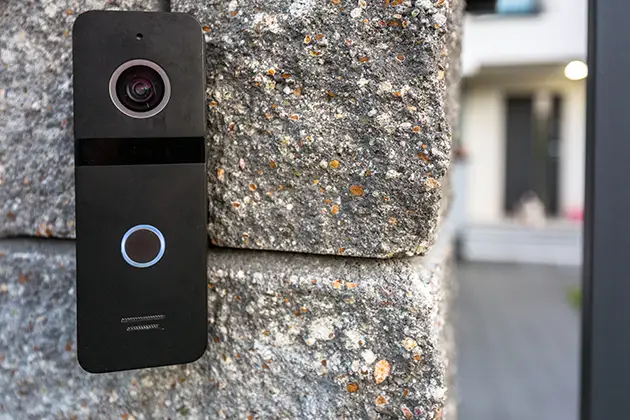
Ring, which Amazon owns, began rolling out the Familiar Faces feature for its cameras and video doorbells around December 2025. According to Ring's public descriptions of the feature, it uses AI-powered facial recognition to identify people who appear in a camera's view, lets the device owner create labeled profiles for frequent visitors (such as "Mom" or "Delivery Driver"), and then sends the owner alerts that name a recognized person rather than a generic motion notification. Ring has said the feature supports up to roughly 50 saved faces per account.Ring has stated that camera owners must opt in to turn the feature on, and that Familiar Faces is not offered in Illinois, Texas, or Portland, Oregon, where biometric-privacy laws are strictest. The lawsuit's core argument is that the owner's opt-in does nothing for the people on the other side of the lens: a visitor, neighbor, delivery worker, or passerby whose face is scanned never receives notice and has no way to consent or decline.
Free settlement alerts
Get notified when new class actions open to claims
Join thousands of readers who get the latest class action settlements you may qualify for — delivered straight to your inbox.
What the Lawsuit Alleges
According to the complaint, when a person passes in front of a Ring camera with Familiar Faces enabled, the system allegedly captures their facial geometry and creates a unique "face print" — a form of biometric identifier — and stores it so the device can recognize that person again. The plaintiff alleges this scanning happens automatically and without any notice to, or consent from, the individual being scanned.The suit frames this as a privacy intrusion that affects far more people than the customers who bought the cameras. Because Ring devices are pointed at doorways, sidewalks, driveways, and shared spaces, the complaint alleges that ordinary people are swept into a biometric database simply by walking past a neighbor's door or visiting a friend's home. The plaintiff alleges this caused him distress and violated his privacy rights.
Based on those allegations, the complaint brings claims including:
• State consumer-protection law (including Washington's Consumer Protection Act)
• Common-law appropriation of name or likeness
• Intrusion upon seclusion
For relief, the plaintiff seeks actual and statutory damages, restitution and disgorgement of profits, injunctive relief to stop or change the practice, and a jury trial, with total damages alleged to exceed $5 million for the proposed class. As with any complaint, these are allegations only. A court has not ruled on whether Ring's feature is unlawful or whether Amazon or Ring did anything wrong.
Is There a Ring Familiar Faces Settlement Yet?
No. Sigwalt v. Amazon.com, Inc. is a lawsuit, not a settlement.That means:
• There is no settlement fund.
• There is no claim form.
• There is no payout, and no deadline to act.
• You do not need to do anything to "join" at this stage.
The filing of a complaint is the very beginning of a case. Amazon and Ring have not been found liable simply because a lawsuit was filed, and the case remains pending unless and until a newer docket entry says otherwise. If the case is ever resolved through a settlement, or a class is certified, a formal claims process with its own eligibility rules and deadlines would be announced separately. Be cautious of any website that claims you can "file a claim" for this matter today.
Who Could Be Affected?
The complaint describes a proposed class of people whose faces were allegedly scanned by Ring's Familiar Faces feature without consent. Because no class has been certified yet, the exact class definition — including which states, time periods, and circumstances are covered — is not final and could change as the case proceeds.People most likely to follow this case include:
• Anyone who has walked, delivered, or visited near a Ring camera with Familiar Faces turned on
• Visitors to homes that use Ring video doorbells or cameras
• Delivery drivers and gig workers who regularly approach residential doors
• People generally concerned about facial-recognition and biometric privacy
There is nothing to file right now. Following the docket is the main action available at this stage.
What Happens Next?
From here, the case will move through the normal early stages of federal litigation. Amazon and Ring may file a response to the complaint or a motion to dismiss, the parties may exchange information in discovery, and the plaintiff would at some point ask the court to certify a class. Any of these steps can take months, and the case could be amended, narrowed, consolidated with other suits, or resolved along the way.OpenClassActions.com will continue watching the docket for any major updates, including a motion to dismiss, class certification activity, settlement talks, or any future claim form. A nearly identical suit has since been filed against Google over the same kind of feature — see our coverage of the Google Nest "Familiar Face Detection" facial recognition class action. For other related privacy litigation, see the Disney facial recognition biometric class action, the Amazon Fire TV viewing-data privacy lawsuit, and the Meta Ray-Ban & Oakley AI glasses privacy lawsuit.
Frequently Asked Questions
Is there a Ring Familiar Faces settlement yet?
No. The case is a proposed class action lawsuit. There is no settlement, no fund, and no claim form. Amazon and Ring have not been found liable just because a lawsuit was filed.What does the lawsuit allege?
According to the complaint, Ring's Familiar Faces feature scans and stores a biometric "face print" of everyone who passes a compatible camera, including visitors and passersby who never consented and never received notice. The allegations are unproven.Do I need to do anything?
No. Because this is a lawsuit and not a settlement, there is nothing to claim and no deadline. If a settlement or certified class ever produces a claims process, deadlines and eligibility would be announced then.Sources
• TechCrunch — "Amazon faces class action lawsuit over Ring facial-recognition feature"• CBS News — "Amazon faces lawsuit over Ring facial recognition software"
• The Register — "Ring faces class action over facial-recognition feature"
• Court records — Sigwalt v. Amazon.com, Inc., No. 2:26-cv-01887 (W.D. Wash.)
For more class actions keep scrolling below.
Status
Complaint Filed — Proposed Class Action
Case Title
Sigwalt v. Amazon.com, Inc.
Case Number
2:26-cv-01887
Court
U.S. District Court, W.D. Washington
Date Filed
June 2026
Product
Ring "Familiar Faces" facial recognition