European regulators have confirmed NAION — a rare, usually permanent form of sudden vision loss — as a very rare side effect of semaglutide, and U.S. patients who say Ozempic, Wegovy, or Mounjaro cost them their sight are now suing in a fast-growing federal court docket, MDL 3163. This page lays out what the evidence actually shows about GLP-1 drugs and eye damage, and where the lawsuits stand.

Allegations Only · No Liability Finding Yet
The lawsuit allegations described on this page are unproven claims by plaintiffs. Novo Nordisk (Ozempic, Wegovy) and Eli Lilly (Mounjaro, Zepbound) have not been found liable, and no court has determined that these medications cause NAION. This article summarizes regulatory findings, published research, and the status of pending litigation for informational purposes only; it is not medical or legal advice.
What Are the Eye Problems Linked to Ozempic?
If you take Ozempic, Wegovy, or another semaglutide medication and have experienced sudden vision loss, blurred vision, or other eye problems, you may be affected by risks that European regulators have now confirmed and that U.S. lawsuits are targeting.In June 2025, the European Medicines Agency's safety committee (PRAC) concluded that NAION, a rare form of sudden vision loss caused by reduced blood flow to the optic nerve, is a very rare side effect of semaglutide medicines. PRAC recommended updating all semaglutide product labels. In December 2025, U.S. federal courts consolidated lawsuits alleging GLP-1 receptor agonists caused NAION into MDL 3163 in the Eastern District of Pennsylvania. Separately, the Ozempic U.S. prescribing information already includes a warning for diabetic retinopathy complications based on clinical trial data showing higher event rates in semaglutide users compared to placebo.
What is Ozempic and How Does It Work?
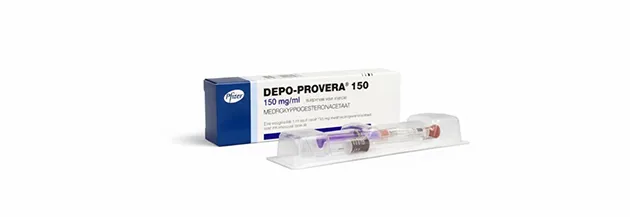
Ozempic is a brand name for semaglutide, a GLP-1 receptor agonist medication. It is manufactured by Novo Nordisk and is FDA-approved for type 2 diabetes management.Semaglutide works by mimicking a natural hormone that helps regulate blood sugar, slows stomach emptying, and reduces appetite. The same active ingredient is sold under different brand names for different conditions: Ozempic for diabetes, Wegovy for weight management, and Rybelsus as an oral formulation.
Eli Lilly makes a similar GLP-1 receptor agonist called tirzepatide, sold as Mounjaro for diabetes and Zepbound for weight loss. Both semaglutide and tirzepatide are part of the GLP-1 drug class involved in the NAION lawsuits.
Free settlement alerts
Get notified when new class actions open to claims
Join thousands of readers who get the latest class action settlements you may qualify for — delivered straight to your inbox.
What is NAION and Why Is It Serious?
NAION stands for non-arteritic anterior ischemic optic neuropathy. It is a condition where blood flow to the front of the optic nerve is suddenly reduced, causing damage to the nerve fibers that carry visual signals from your eye to your brain.NAION typically causes sudden, painless vision loss in one eye. Patients often notice blurred vision, cloudiness, or loss of part of their visual field, usually when waking up in the morning.
The damage from NAION can be permanent. There is no proven treatment to reverse the vision loss once it occurs.
Risk factors for NAION include diabetes, high blood pressure, high cholesterol, smoking, sleep apnea, and having a "crowded" optic disc, which is an anatomical feature some people are born with.
What Did European Regulators Conclude About Ozempic and NAION?
In June 2025, the EMA's safety committee (PRAC) concluded that NAION is a very rare side effect of semaglutide medicines.PRAC classified NAION as affecting up to 1 in 10,000 semaglutide users. They estimated about one additional NAION case per 10,000 person-years of treatment and roughly a two-fold relative risk compared to non-users.
PRAC recommended that all semaglutide product labels be updated, that patients seek urgent medical evaluation for sudden vision loss, and that semaglutide be stopped if NAION is confirmed.
In February 2026, the UK MHRA published a safety update aligned with the EU assessment.
What Does the Ozempic U.S. Label Say About Eye Risks?
The Ozempic U.S. prescribing information includes a warning for diabetic retinopathy complications.In a two-year clinical trial, diabetic retinopathy complications occurred in 3.0 percent of semaglutide patients compared to 1.8 percent on placebo. Among patients who already had diabetic retinopathy at the start of the trial, the rates were higher: 8.2 percent for semaglutide versus 5.2 percent for placebo.
As of July 2026, the FDA has not added a NAION warning to the U.S. semaglutide labels and has not issued a separate conclusion on NAION and semaglutide, even though European and UK regulators have updated their product information.
What Do the Studies Show About Ozempic and NAION Risk?
Multiple large observational studies have examined the link between semaglutide and NAION. The results generally point in the same direction: a roughly two- to three-fold increased relative risk, but with low absolute risk.A nationwide U.S. veterans study comparing semaglutide users to SGLT2 inhibitor users found a hazard ratio of 2.33. The absolute risk was 0.29 percent for semaglutide users versus 0.13 percent for the comparator over about two years.
A Danish-Norwegian registry study found a pooled hazard ratio of 2.81 and estimated about 1.4 additional NAION cases per 10,000 person-years of semaglutide use.
A 14-database international network study across 37.1 million adults with type 2 diabetes reported a NAION incidence rate of 14.5 per 100,000 person-years in semaglutide users and found risk increases of 1.32 to 1.50 in self-controlled analyses.
An earlier single-center study from a neuro-ophthalmology referral center reported much higher risk estimates (hazard ratios of 4.28 to 7.64), but its specialty referral setting likely inflates absolute incidence compared to the general population.
Not all studies found the same result. One matched cohort study reported no significant increase and very low absolute risk. These differences reflect how study design, patient selection, and comparator choice can produce different findings.
A meta-analysis of 78 randomized trials found a signal for NAION (odds ratio 3.92) but with very wide confidence intervals, meaning the evidence from trials alone is not definitive.
A large U.S. cohort study published in JAMA Network Open in 2025, using electronic health records of adults with type 2 diabetes and no prior eye disorders, reported that patients prescribed semaglutide or tirzepatide had a higher incidence of NAION and other optic-nerve disorders than patients on other antidiabetic drugs. The authors again emphasized that the absolute risk was low and described the increase as modest. This study is notable because it also examined tirzepatide (Mounjaro, Zepbound), the second drug class named in the litigation.
What is Diabetic Retinopathy Worsening and Why Does It Happen with Ozempic?
Diabetic retinopathy is damage to blood vessels in the back of the eye caused by diabetes. It is a separate condition from NAION.When blood sugar drops quickly, this can temporarily worsen existing diabetic retinopathy. Doctors call this "early worsening." It has been observed with insulin therapy and other treatments that rapidly improve blood sugar control, not just semaglutide.
Post hoc analysis of semaglutide trial data found that the excess retinopathy events were concentrated among patients who already had diabetic retinopathy, had worse blood sugar control at baseline, and were on insulin. The worsening was linked to the speed and magnitude of the blood sugar drop, not a direct toxic effect on the retina.
If you have diabetic retinopathy and are starting Ozempic, your doctor should monitor your eyes closely, especially in the first year.
Can Ozempic Cause Blurred Vision?
Blurred vision in Ozempic users can happen for several reasons. It is not always a sign of serious damage.Rapid blood sugar changes can temporarily alter the shape of the lens inside the eye. This causes shifting focus that can make vision blurry for days or weeks until blood sugar stabilizes.
However, blurred vision can also be a symptom of NAION or diabetic retinopathy worsening. UK regulators describe NAION vision loss as often perceived as blurring or cloudiness.
If you experience sudden vision changes while taking Ozempic or any semaglutide medication, seek medical evaluation promptly. Do not assume it is temporary.
What Other Eye Problems Have Been Reported with Ozempic?
Pharmacovigilance databases have flagged additional eye-related signals including macular edema, macular hole, papilledema, and retinal hemorrhage. These come from adverse event reporting systems like FAERS and EudraVigilance.It is important to understand that these reporting systems cannot establish that a drug caused a problem. The FDA explicitly states that FAERS reports do not establish causation and cannot be used to estimate how often a side effect occurs.
These signals are considered hypothesis-generating. They may reflect real risk, reporting artifacts, or the fact that people taking semaglutide often have diabetes and obesity, which carry their own eye risks.
Where Do the Ozempic Eye Lawsuits Stand?
On December 15, 2025, the U.S. Judicial Panel on Multidistrict Litigation created MDL No. 3163 in the Eastern District of Pennsylvania, assigned to Judge Karen S. Marston.The MDL consolidates federal lawsuits alleging that GLP-1 receptor agonists, including semaglutide (Ozempic, Wegovy) and tirzepatide (Mounjaro, Zepbound), caused NAION.
At the time of the transfer order, there were 21 actions pending in three districts plus additional related actions. The docket has since grown steadily: according to the JPML's pending-MDL statistics, 110 actions were pending as of June 1, 2026, rising to about 146 actions as of July 1, 2026. It remains a much smaller proceeding than the parallel GLP-1 gastrointestinal-injury MDL (MDL 3094), which had roughly 3,763 pending actions as of June 1, 2026.
In early 2026, Judge Marston appointed plaintiffs' leadership counsel to run common discovery, coordinate experts, and prepare early bellwether cases. On June 2, 2026, the court held a Science Day, an educational session where each side presents the medical and scientific background of NAION and GLP-1 drugs to the judge without cross-examination; Judge Marston had entered a foundational order setting the ground rules for that session. These are early pretrial steps; no bellwether trial dates have been set.
The defendants named in various actions include Novo Nordisk and Eli Lilly. The lawsuits allege failure to warn, design defect, and breach of warranties. No global settlement has been reached, and legal observers generally do not expect settlement discussions before initial bellwether trials.
Is This a Class Action Lawsuit?
No. The Ozempic NAION lawsuits are not a class action. They are individual personal injury product-liability claims coordinated through a multidistrict litigation (MDL).In an MDL, individual cases are grouped together for pretrial proceedings like discovery and motions. But each plaintiff has their own case with their own injuries. The cases are not resolved as a single group the way a class action would be.
The JPML specifically created MDL 3163 as a separate track from the existing GLP-1 gastrointestinal injury MDL (MDL 3094) because the eye-related claims involve different medical evidence and injuries.
What Should You Do If You Experienced Eye Problems on Ozempic?
If you experienced sudden vision loss, blurred vision that does not resolve, or were diagnosed with NAION while taking Ozempic, Wegovy, Mounjaro, or another GLP-1 receptor agonist, there are steps you should take.See an eye doctor immediately if you have not already. Get a documented diagnosis. NAION requires a specific clinical evaluation, not just a description of blurred vision.
Keep records of when you started taking the medication, when symptoms appeared, and what your doctor found.
Talk to your prescribing doctor about whether to continue the medication. European regulators recommend stopping semaglutide if NAION is confirmed.
Key Timeline: Ozempic Eye Safety Milestones
2016: SUSTAIN 6 cardiovascular trial reports higher diabetic retinopathy complications with semaglutide versus placebo.
2017: FDA approves Ozempic. U.S. labeling later includes a warning for diabetic retinopathy complications.
2024: A neuro-ophthalmology referral center publishes the first clinical study reporting a NAION association with semaglutide.
January 2025: European regulators (PRAC) begin a formal review of semaglutide and NAION.
June 2025: PRAC concludes NAION is a very rare side effect of semaglutide and recommends label updates.
December 2025: U.S. JPML creates MDL 3163 for GLP-1 receptor agonist NAION product-liability cases.
February 2026: UK MHRA publishes safety update aligned with the EU assessment.
June 2026: The court holds a Science Day on June 2. MDL 3163 stands at 110 pending actions as of June 1, per JPML statistics.
July 2026: The docket grows to about 146 pending actions as of July 1. The FDA has still not added a NAION warning to the U.S. labels.
Read the Complaint
Below is a representative complaint filed in the GLP-1 NAION litigation. The allegations in it are unproven claims by the plaintiff; Novo Nordisk and Eli Lilly have not been found liable, and no court has determined that these medications cause NAION.Frequently Asked Questions
What eye problems have been linked to Ozempic?
The most established eye risk is worsening of diabetic retinopathy during rapid blood sugar improvement, which is listed in the Ozempic U.S. prescribing information. European regulators have also concluded that NAION (non-arteritic anterior ischemic optic neuropathy), a rare condition causing sudden vision loss, is a very rare side effect of semaglutide affecting up to 1 in 10,000 people.
What is NAION and how does it affect vision?
NAION is non-arteritic anterior ischemic optic neuropathy. It happens when blood flow to the optic nerve is reduced, causing sudden painless vision loss usually in one eye. Patients often notice blurred vision, cloudiness, or loss of part of their visual field. NAION can cause permanent vision damage.
Has the FDA confirmed Ozempic causes vision loss?
The FDA has not issued a formal conclusion on NAION and semaglutide. The Ozempic U.S. prescribing information includes a warning for diabetic retinopathy complications based on clinical trial data. European regulators (EMA PRAC) concluded in June 2025 that NAION is a very rare side effect of semaglutide and recommended updating product labels.
Is there a lawsuit for Ozempic vision loss?
Yes. In December 2025, the U.S. Judicial Panel on Multidistrict Litigation created MDL 3163 in the Eastern District of Pennsylvania to consolidate federal lawsuits alleging GLP-1 receptor agonists caused NAION. The cases involve Novo Nordisk (Ozempic, Wegovy) and Eli Lilly (Mounjaro, Zepbound). These are product-liability personal injury cases, not a class action.
How common is NAION in Ozempic users?
European regulators classified NAION as very rare, affecting up to 1 in 10,000 semaglutide users. They estimated about one additional NAION case per 10,000 person-years of treatment and roughly a two-fold relative risk compared to non-users. Absolute risk remains low.
What is the difference between the Ozempic NAION lawsuits and a class action?
The Ozempic NAION lawsuits are personal injury product-liability claims coordinated through a multidistrict litigation (MDL 3163), not a class action. Each plaintiff has their own individual case alleging failure to warn, design defect, and breach of warranties. MDLs consolidate pretrial proceedings for efficiency but each case remains separate.
Can Ozempic cause blurred vision?
Blurred vision can occur through several mechanisms in Ozempic users. Rapid blood sugar changes can alter lens hydration, causing temporary refractive shifts. Blurred vision can also be a symptom of more serious conditions including NAION or diabetic retinopathy worsening. If you experience sudden vision changes while taking Ozempic, seek medical evaluation promptly.
Sources
• EMA PRAC conclusion on NAION and semaglutide (June 6, 2025)• Ozempic U.S. prescribing information (revised October 2025)
• JPML Transfer Order creating MDL No. 3163 (December 15, 2025)
• JPML Pending MDL Dockets statistics reports (June 1 and July 1, 2026)
• MDL No. 3163 docket — E.D. Pa. (leadership appointments; Science Day order, June 2, 2026)
• Representative GLP-1 NAION complaint (PDF)
• UK MHRA Drug Safety Update on semaglutide and NAION (February 5, 2026)
• "Semaglutide or Tirzepatide and Optic Nerve and Visual Pathway Disorders in Type 2 Diabetes," JAMA Network Open (2025)
• FDA FAERS Public Dashboard — limitations of adverse event reporting