A jackknife crash can leave you with injuries, mounting bills, and confusion over who pays — here are the steps that protect both your health and your claim in the hours and days afterward.
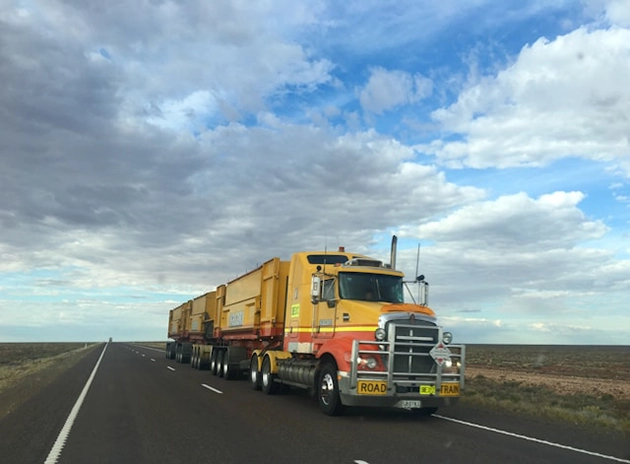

No matter how it happens, the result is often the same. Injuries, stress, medical bills, and a lot of confusion about what to do next.
If you or someone you love has been involved in a truck accident in Minneapolis, knowing what steps to take next can make a critical difference in your recovery and your ability to seek fair compensation.
This guide walks you through what happens after a truck accident, why these cases are more complex than typical car crashes, and how to protect yourself from the start.
Why Truck Accidents Are Especially Dangerous in Minneapolis
Minneapolis sits at the intersection of several major freight corridors. Interstate 35, I-94, and I-494 carry thousands of commercial trucks every day. The city's urban grid, tight highway ramps, and unpredictable Minnesota winters create conditions where accidents happen.Truck accidents are different from typical car crashes because of the size and force involved. A fully loaded semi-truck can weigh up to 80,000 pounds, making it much larger and heavier than a standard passenger vehicle. Even at lower speeds, that difference in weight can lead to severe damage and life-changing injuries.
These crashes can leave people with serious injuries like broken bones, back and spinal injuries, head injuries, and internal damage. Recovery is often not just about physical healing. It can also mean time away from work, medical expenses, and major changes to everyday life.
Common Causes of Truck Accidents
The reason for a truck crash is important for legal reasons. It's not always just the driver who is responsible. In many cases, other parties may also be involved, like the trucking company, the team that loaded the cargo, a maintenance provider, or even the company that built the truck or its parts.Common contributing factors include:
Driver fatigue
Federal regulations cap the number of hours truck drivers can operate, but some push beyond those limits to meet tight delivery deadlines. Fatigued driving impairs reaction time and judgment in ways similar to intoxication.
Speeding and improper following distance
Commercial trucks need far more distance to stop than passenger cars. When they're speeding or too close to other vehicles, it becomes very hard to avoid a crash, especially on wet or icy roads.
Improperly loaded cargo
If cargo isn't loaded or secured properly, it can shift during the trip. This can cause the truck to tip over or jackknife, which often leads to serious accidents.
Mechanical failures
Issues like worn-out brakes, bad tires, or poor maintenance can all lead to crashes. In many cases, these problems happen because inspections or repairs were not done properly.
Distracted or impaired driving
Anything that takes a driver's attention off the road (like a phone, medication, or alcohol), can lead to a serious crash, especially in a large commercial truck.
At the end of the day, finding the cause is not just about the blame. It helps identify everyone who may be responsible, which can affect the compensation you may be able to recover.
Free settlement alerts
Get notified when new class actions open to claims
Join thousands of readers who get the latest class action settlements you may qualify for — delivered straight to your inbox.
Steps to Take After a Truck Accident in Minneapolis
The hours and days following a truck accident are critical. What you do and don't do can significantly affect the outcome of any future claim.Get safety and call 911
If you're able to move, get yourself and others out of traffic immediately. Turn on your hazard lights. Minnesota law requires reporting any crash involving injury, death, or property damage over $1,000. So, call 911 regardless of how serious things appear in the moment.
Seek medical attention right away
Even if you feel okay, get evaluated as soon as possible. Some injuries don't present obvious symptoms immediately. A prompt medical evaluation creates documentation that connects your injuries to the accident, which is foundational to any personal injury claim.
Document everything at the scene
If it's safe to do so, take photos and video of the vehicles involved, the road conditions, any visible injuries, and the surrounding area. Collect the truck driver's name, license number, insurance information, and the name of their employer. Get contact information for witnesses.
The evidence can disappear quickly. Trucking companies are known to retrieve black box data and dashcam footage early, so preserving your own record matters.
Be careful what you say to insurers
After a crash, you'll need to notify your own insurance company promptly. However, be cautious when speaking with the trucking company's adjusters. Their job is to minimize the payout to you.
Stick to the basic facts, don't speculate about fault, and don't accept any settlement offer before fully understanding the extent of your injuries and losses.
Talk to an attorney before you settle
This is perhaps the most important step of all. Truck accident cases involve federal regulations, multiple potential defendants, and insurance companies with significant legal resources on their side. Having an experienced legal advocate levels the playing field.
What Compensation Can You Pursue?
Victims of truck accidents in Minnesota may be entitled to both economic and non-economic damages.Economic damages
These are damages that cover tangible losses like:
• Medical bills
• Future treatment costs
• Lost wage
• Reduced earning capacity
Non-economic damages
These are the damages that address the harder-to-quantify impact, such as:
• Physical pain
• Emotional distress
• Disability
• Loss of quality of life
Key Rules That Affect Your Truck Accident Claim in Minnesota
Minnesota operates under a comparative fault system, meaning you can still recover compensation even if you were partially responsible for the accident (as long as your share of fault doesn't exceed that of the other party).The statute of limitations for most personal injury claims, including vehicle accidents, is generally six years in Minnesota, but acting promptly preserves crucial evidence and strengthens your case.
The value of a truck accident claim depends heavily on the severity of injuries, the clarity of liability, and the quality of documentation. Cases involving serious injuries (spinal damage, traumatic brain injury, permanent disability) often result in substantially higher settlements or verdicts.
Why the Right Legal Representation Makes All the Difference
Truck accident cases are significantly more complex than standard car accident claims. Multiple parties may be liable. Federal trucking regulations add another layer of legal analysis.Trucking companies and their insurers move quickly to protect their interests, and you deserve someone in your corner doing the same. A skilled Minneapolis personal injury attorney can:
• Investigate the accident
• Gather evidence before it disappears
• Identify all liable parties
• Negotiate assertively with insurers
• Take your case to trial if necessary
The goal is to make sure the full scope of your losses (physical, financial, and emotional) is accounted for.
Conclusion
A truck accident can turn your normal routine upside down in seconds. And in the days that follow, things can feel messy fast. Pain, paperwork, calls from insurance companies, and a lot of uncertainty about what to do next.The truth is, you don't need to have everything figured out right away. What matters most is taking the right steps early and not rushing decisions that could affect your recovery later.
With the right help and information, it becomes easier to sort through what happened and focus on getting your life back on track.
Frequently Asked Questions
What should I do first after a truck accident in Minneapolis?
If you are able to move, get yourself and others out of traffic and turn on your hazard lights, then call 911. Minnesota law requires reporting any crash involving injury, death, or property damage over $1,000, so call regardless of how serious things appear in the moment. Seek medical attention right away even if you feel okay, because some injuries do not present obvious symptoms immediately.
Who can be held responsible for a truck accident?
It is not always just the driver. In many cases, other parties may also be involved, like the trucking company, the team that loaded the cargo, a maintenance provider, or even the company that built the truck or its parts. Finding the cause helps identify everyone who may be responsible, which can affect the compensation you may be able to recover.
What is the statute of limitations for a truck accident claim in Minnesota?
The statute of limitations for most personal injury claims, including vehicle accidents, is generally six years in Minnesota, but acting promptly preserves crucial evidence and strengthens your case.
Can I still recover compensation if I was partly at fault?
Minnesota operates under a comparative fault system, meaning you can still recover compensation even if you were partially responsible for the accident, as long as your share of fault does not exceed that of the other party.