More on Lawyer Ethics & Legal Advertising
- ABA Model Rule 7.2: paying for ads vs. paying for referrals — where the line sits Read the guide →
- ABA Model Rule 7.1: the umbrella ban on false or misleading lawyer advertising Read the guide →
- ABA Model Rule 1.5: lawyer fees, contingency agreements, and fee splits between firms Read the guide →
- California Attorney Advertising Rules: how one state layers a statute on top of the ethics rules Read the guide →
- OCA Advertising Disclosure: how this site labels sponsored content and attorney advertising Read the disclosure →
More Class Actions

No Proof
Privacy Settlement
$59.5M Flo Period Tracker Privacy Settlement
Pro Rata Cash (No Proof) · Claim by Oct 15, 2026
 HOT
HOT
No Proof
Antitrust
$117M Pork Price-Fixing Settlement — No Receipts Required
Bought raw pork or bacon at a grocery store in one of 24 states between 2014 and 2018? Claim a pro rata share with nothing to document.
 HOT
HOT
Automatic
Fees & Billing
Amazon $309.5M Returns Settlement — Missing & Reversed Refunds
A refund you never got back for an Amazon return since September 2017 — most customers are paid automatically, and Subclass B files a claim with the Notice ID from its notice.
 HOT
HOT
Notice / PIN
Banking & Credit
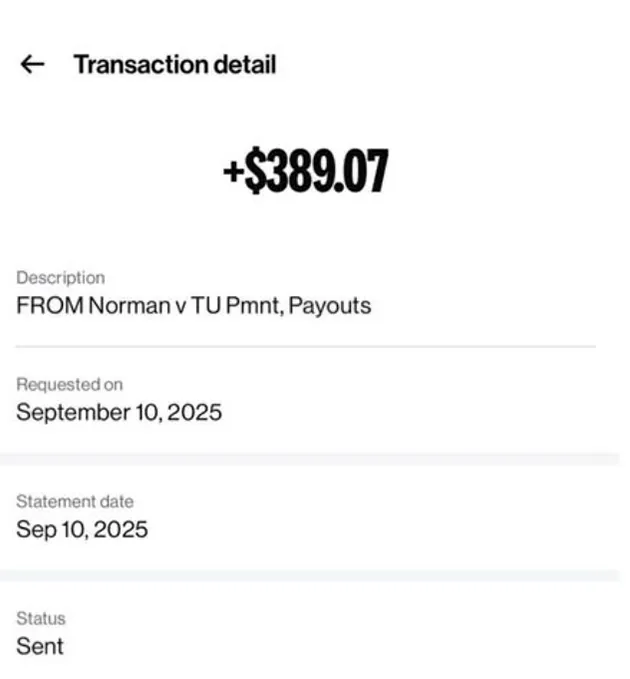
TransUnion $8.31M Bankruptcy Reporting Settlement — $100 to About $1,000
A bankruptcy mark appeared on your credit report when no bankruptcy was on file — $100 arrives automatically for some, and a claim is worth an estimated $1,000.