More on Consumer-Protection Statutes
- NC Debt Collection Act: Article 2 of the same Chapter 75 — the debt-collection law that reaches original creditors. Read the guide →
- California UCL (§ 17200): California's "unlawful, unfair, or fraudulent" catch-all consumer statute. Compare the two →
- Missouri MMPA: Missouri's consumer statute and how its 2020 SB 591 reforms tightened the private action. Learn more →
- Michigan Consumer Protection Act: A peer state statute narrowed sharply by the courts' reading of its regulatory exemption. Read more →
- Federal Trade Commission: How the FTC polices unfair and deceptive practices at the federal level. What it does →
More Class Actions

Lawsuit
Social Media Addiction Lawsuit
Lawsuits allege Instagram, TikTok, Snapchat, YouTube and Facebook were designed to addict minors · active litigation · see if you pre-qualify
Notice / PIN
Privacy
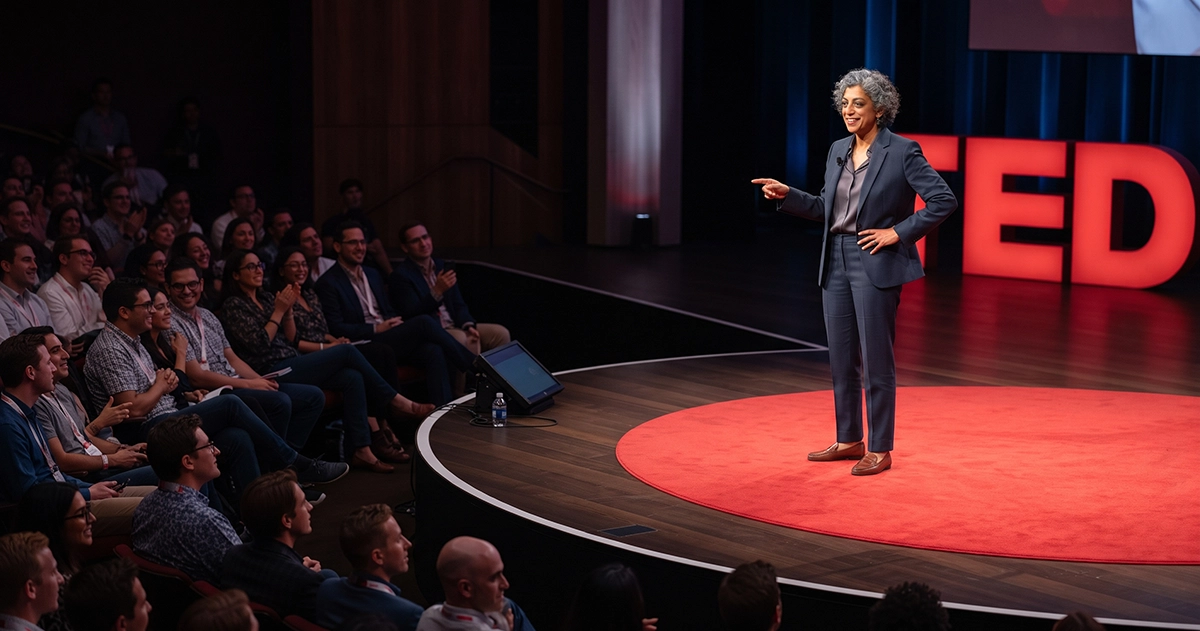
TED Video Privacy Settlement — 2 Free Months or $5 Cash
TED account holders who watched a talk on ted.com or in the apps get two free months of membership automatically, or $5 cash by filing instead.
Investigation
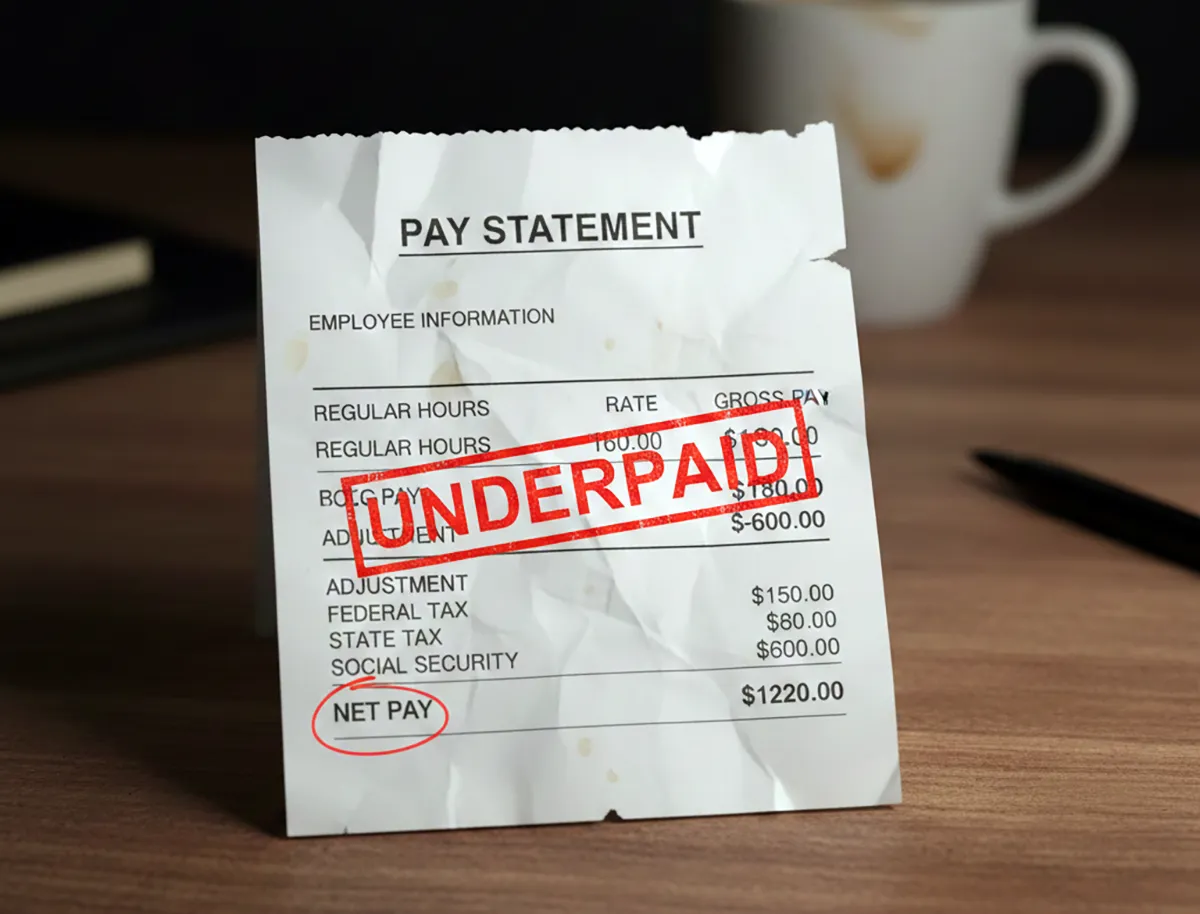
Unpaid Wages & Overtime — Hold Your Employer Accountable
No settlement & no claim form — a free case review · Workers whose employer withheld pay, skipped overtime, denied commissions, or misclassified them · Also final paychecks, wrongful termination, harassment & missed breaks · Deadlines run separately on each missed paycheck
Automatic
CA
OR
WA
Consumer Products
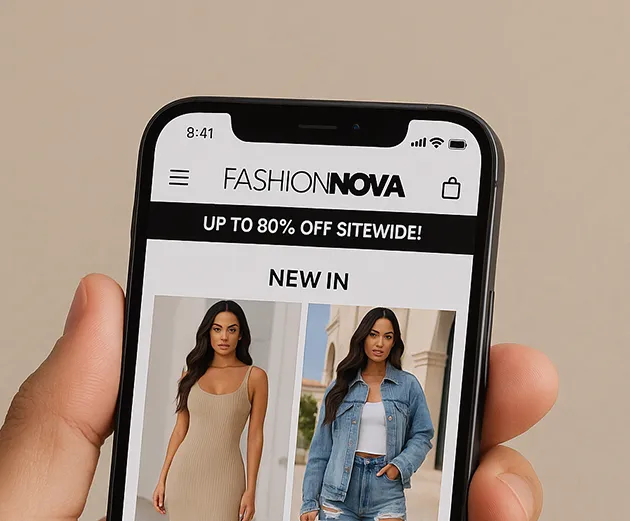
Fashion Nova $12 Voucher Settlement — Sent Automatically by Email
A $12 fashionnova.com voucher for shoppers billed in California, Oregon or Washington who bought online or in the app from 2018 to 2025.