More on FTC Actions & Consumer Refunds
- FTC Amazon Prime Refunds: $2.5B FTC settlement over Prime enrollment and cancellation — $1.5B in consumer refunds. See who qualifies →
- StubHub FTC Hidden Fees: $10M settlement over drip pricing — fees revealed only at the end of checkout. See the details →
- ROSCA (Restore Online Shoppers' Confidence Act): The federal law behind the FTC's subscription-trap and auto-renewal cases. Read the guide →
- State AG Consumer Protection Directory: Where to file a consumer complaint with your state attorney general under state UDAP laws. Find your state →
More Class Actions
No Proof
Settlement
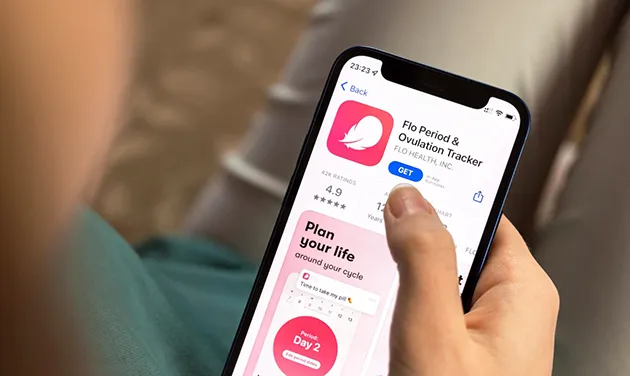
$59.5M Flo Period Tracker Privacy Settlement
Pro Rata Cash (No Proof) · Flo App Users Who Logged Data Nov 2016 – Feb 2019

Lawsuit
Social Media Addiction Lawsuit
Lawsuits allege Instagram, TikTok, Snapchat, YouTube and Facebook were designed to addict minors · active litigation · see if you pre-qualify
Notice / PIN
Fees & Billing
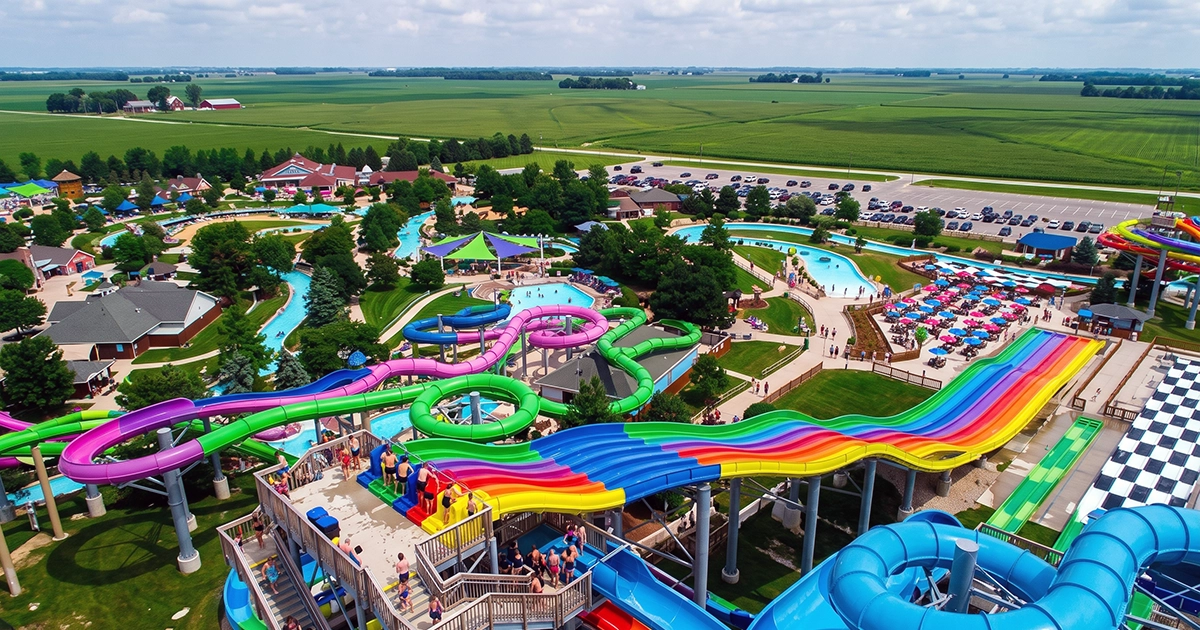
Raging Waters $850K Ticket Fee Settlement — Pro Rata Cash, No Receipt
A pro rata share of $850,000, sized to the processing fees you paid, for anyone who bought Raging Waters tickets online and was charged the fee.

Notice / PIN
Fees & Billing
Lake Compounce $500K Ticket Fee Settlement — Pro Rata Cash
A pro rata share of $500,000, based on the processing fees you paid, for anyone who bought Lake Compounce tickets on the park’s website.