Attorney Advertising · Time-Sensitive
OpenClassActions.com is an attorney-advertising and informational resource — not a law firm. It does not provide legal advice and does not recommend or endorse any particular lawyer. Submitting a form on this page does not create an attorney-client relationship, file a lawsuit, or pause any legal deadline, and it does not guarantee that an attorney will review or respond to your case.
These claims are time-sensitive. Legal deadlines (statutes of limitations) vary by state and can permanently bar a claim once they pass — so don't wait for a callback. You are free to choose any attorney you wish, and if you are considering a claim you should speak with a qualified attorney of your choosing as soon as possible. Prior results do not guarantee a similar outcome.
Attorneys are reviewing new individual claims alleging that Meta’s Instagram, TikTok, Snapchat and YouTube were designed to be addictive and contributed to eating disorders, depression, anxiety and self-harm in young users. People diagnosed with one of those conditions after heavy adolescent use may be eligible to have a case reviewed; these are individual injury lawsuits in MDL 3047 and JCCP 5255 as of October 2026, and there is no class action settlement or claim form.
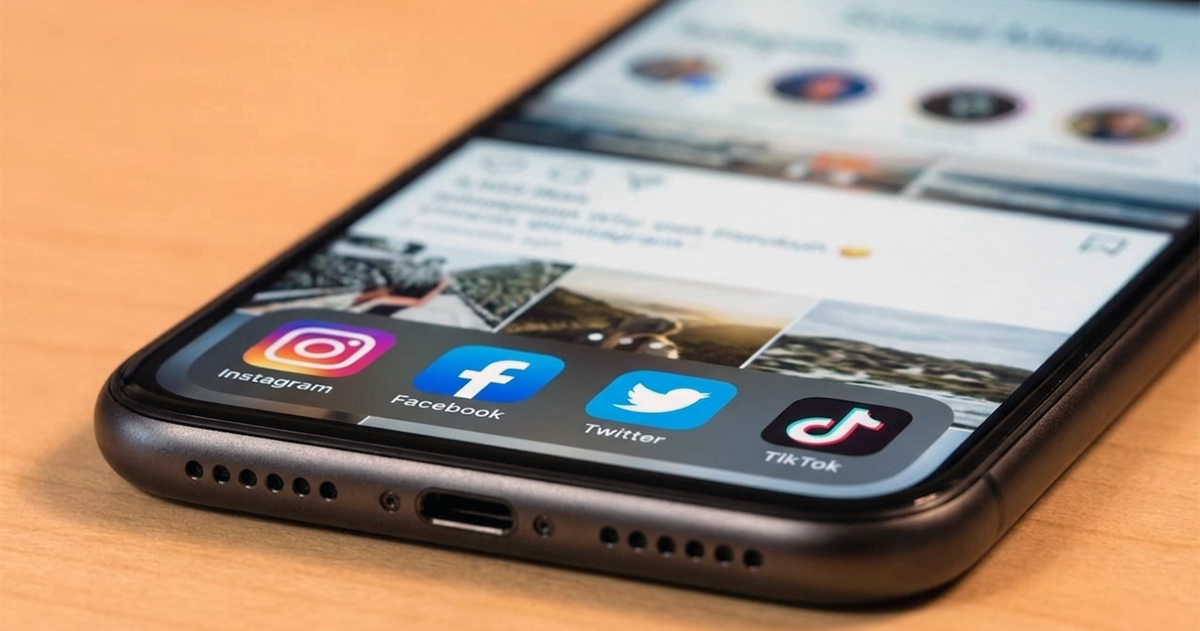

Can Social Media Cause an Eating Disorder, Depression, or Self-Harm?
That is the central question driving thousands of lawsuits against the companies behind Instagram, TikTok, Snapchat, and YouTube. The lawsuits allege that these platforms were deliberately engineered to be addictive to children and teenagers — and that compulsive use during the years when the brain is still developing contributed to serious, diagnosable mental health injuries, including eating disorders, body dysmorphia, depression, anxiety, and self-harm.Unlike a single class action with one settlement fund, these are individual personal-injury claims. They are coordinated for efficiency — in federal multidistrict litigation and in California's state-court proceeding — but each person's case is evaluated on its own facts and its own medical history. As of October 9, 2026, new individual cases are still being filed in both proceedings, and attorneys are still reviewing claims from people who developed one of these conditions after heavy adolescent social media use.
See If You Qualify — Free Case Review
Which Injuries Are at the Center of These Lawsuits?
These cases are built around a diagnosed injury, not simply "too much screen time." The conditions most commonly alleged — and the ones a free review will ask about — are below.Social Media & Eating Disorders: Anorexia, Bulimia, and Binge Eating
Eating-disorder claims are among the most common in this litigation. The lawsuits allege that image-first platforms like Instagram and TikTok funneled teens — especially girls — into an endless stream of filtered, idealized, and "thinspiration"-style content, and that engagement algorithms amplified pro-eating-disorder material. Plaintiffs connect that exposure to anorexia nervosa, bulimia, and binge eating disorder that required therapy, hospitalization, or residential treatment.Body Dysmorphia and Body-Image Harm
Closely related to eating disorders, body dysmorphic disorder claims allege that beauty filters, edited selfies, and relentless appearance comparison distorted young users' perception of their own bodies — driving compulsive checking, fixation on perceived flaws, and severe distress.Social Media Depression and Anxiety
Major depression and severe anxiety claims tie compulsive scrolling, sleep loss from late-night use, cyberbullying exposure, and validation loops (likes, streaks, follower counts) to diagnosed mood and anxiety disorders in adolescents and young adults.Self-Harm, Suicidal Ideation, and Suicide
The most serious claims involve self-harm such as cutting, suicidal ideation, suicide attempts, and wrongful death. The lawsuits allege the platforms served self-harm and suicide-related content to vulnerable minors, and that addictive design deepened the crisis instead of intervening.The American Academy of Pediatrics, the National Institutes of Health, and the U.S. Surgeon General have all published advisories on social media's impact on adolescent mental health, and that body of evidence sits at the core of the litigation.
Free settlement alerts
Get notified when new class actions open to claims
Join thousands of readers who get the latest class action settlements you may qualify for — delivered straight to your inbox.
How the Platforms' Design Is Linked to These Injuries
The lawsuits allege the harm is not accidental but a product of design choices intended to maximize time on the app. The features most often cited include infinite scroll (no natural stopping point), algorithmic feeds that push increasingly extreme or appearance-focused content to hold attention, push notifications engineered to trigger dopamine responses, and beauty filters and metrics (likes, followers) that fuel comparison and body-image distress. A California court ruling has treated these as "product design" features a jury can evaluate — a key reason the cases have survived the platforms' longstanding Section 230 defenses and have gone to trial.Who Qualifies? What a Free Review Looks At
Eligibility is screened individually, but reviews generally look for the following:• The person used social media regularly — often multiple hours a day — on platforms like Instagram, TikTok, Snapchat, Facebook, or YouTube.
• The person received care, treatment, or a diagnosis for a mental health condition — such as an eating disorder, depression, anxiety, or self-harm — after that use.
• The person is currently age 26 or younger.
• The person is not already represented by an attorney for this claim.
Medical records or a documented diagnosis generally strengthen a claim, because the case turns on connecting a real, diagnosed injury to the social media use. A person does not need to have a lawyer already — the review screens whether the facts may qualify and, where they may, connects the person with an attorney.
Check Your Eligibility — Free & Confidential
Where These Cases Stand: October 2026 Update
Cases are coordinated on two tracks: MDL 3047 — In re: Social Media Adolescent Addiction/Personal Injury Products Liability Litigation — in the U.S. District Court for the Northern District of California before Chief Judge Yvonne Gonzalez Rogers, and JCCP 5255 ("Social Media Cases") in Los Angeles Superior Court before Judge Carolyn B. Kuhl. As of October 9, 2026:• MDL 3047 is growing. It had 3,824 pending actions in the Judicial Panel on Multidistrict Litigation's October 1, 2026 report, up from 3,208 on September 1, 2026. Families join through the court's Master Short-Form Complaint, and short-form complaints were still being filed in October 2026.
• The next Los Angeles trial is set for October 28, 2026. Judge Kuhl consolidated two teen plaintiffs' cases for one jury trial against Meta, YouTube and Snap; TikTok settled with both plaintiffs in August 2026.
• The first verdict is on appeal. In the K.G.M. case, a Los Angeles jury found Meta and YouTube negligent on March 25, 2026 and awarded $6 million; Meta and Google appealed in July 2026, so the award is not final.
• State settlements pay states, not families. Meta's consent judgment with the states was entered August 26, 2026 — about $12.1 billion guaranteed over 10 years, up to $17.1 billion in total — and in late September 2026 TikTok reached a settlement with Alabama, without admitting wrongdoing. Neither has a claim form, and Meta's does not release any individual injury claim.
For more detail, see OCA's coverage:
• Meta's state settlement over social media addiction — what it does and does not cover
• Breathitt County $27M social media settlement — first federal bellwether resolved
• Social media addiction trial & Meta/YouTube verdict updates
• What the 2026 verdicts mean for future lawsuits and settlements
• Social media addiction lawsuit — full 2026 case status
How long a person has to bring a new claim is set by each state's statute of limitations, and those periods vary by state.
How Much Compensation Could Be Available?
There is no fixed amount, because these are individual lawsuits rather than a class action with a set fund. Depending on the facts, claimed damages can include:• Medical and treatment costs — therapy, hospitalization, and ongoing psychiatric or eating-disorder care.
• Loss of quality of life — the friendships, schooling, and milestones an injury can take away.
• Pain and suffering — the emotional and psychological toll of the injury.
Actual recoveries depend on the strength of the medical evidence and the specifics of each case. No result can be promised or guaranteed.
How to Get a Free Case Review
A review is free and confidential and carries no obligation. Where the facts may qualify, the person can be connected with an attorney who handles these cases on a contingency basis — meaning no upfront cost and no fee unless there is a recovery. Submitting a review request does not guarantee that a case will be filed or that any money will be recovered.Start Your Free Case Review
Frequently Asked Questions
What is the latest on the social media eating disorder lawsuits (October 2026)?
As of October 9, 2026, new individual injury cases are still being filed into federal MDL 3047 and California's JCCP 5255, which together include eating-disorder, depression and self-harm claims. MDL 3047 had 3,824 pending actions in the Judicial Panel on Multidistrict Litigation's October 1, 2026 report, the next Los Angeles personal-injury trial is set to begin October 28, 2026 against Meta, YouTube and Snap, and the $6 million K.G.M. verdict against Meta and YouTube is on appeal.
Do the Meta and TikTok state settlements pay families for an eating disorder?
No. Meta's consent judgment with the states, entered August 26, 2026, and TikTok's late-September 2026 settlement with Alabama pay states, not individual families, and neither has a claim form. Meta's state settlement does not release any individual injury claim, so personal-injury cases over eating disorders and other conditions continue separately in MDL 3047 and JCCP 5255.
Can I sue Instagram or TikTok for my child's eating disorder?
Families are pursuing individual lawsuits alleging that platforms like Instagram, TikTok, Snapchat, and YouTube were designed to be addictive and contributed to eating disorders and other mental health injuries in young users. Claims of this kind generally involve heavy social media use followed by a diagnosis of, or treatment for, an eating disorder such as anorexia, bulimia, or binge eating disorder. Whether specific facts may qualify is decided case by case by the reviewing attorneys.
Can I file a claim for depression, anxiety, body dysmorphia, or self-harm — not just eating disorders?
The lawsuits are not limited to eating disorders. They also allege major depression, severe anxiety, body dysmorphia, self-harm such as cutting, suicidal ideation, and suicide. The common thread is a diagnosed condition that followed heavy adolescent social media use, rather than any single platform or diagnosis.
Who qualifies to file a social media mental health injury lawsuit?
Eligibility generally focuses on people who used social media heavily (often multiple hours a day), who received a diagnosis or treatment for a mental health condition such as an eating disorder, depression, anxiety, or self-harm after that use, who are currently age 26 or younger, and who are not already represented by an attorney for the claim. Exact criteria vary, which is why claims are screened individually in a free review.
Is this a class action settlement with a claim form?
No. These are individual personal-injury lawsuits coordinated in federal multidistrict litigation (MDL 3047 in the Northern District of California) and in California's state-court JCCP 5255 proceeding — not a single class action settlement with one claim form. There is no settlement fund to claim from and no claim form to submit. Each case is evaluated on its own facts, and statutes of limitations vary by state.
How much compensation could I receive?
There is no set amount because these are individual lawsuits rather than a class action with a fixed fund. Depending on the case, claimed damages can include medical and treatment costs, loss of quality of life, and pain and suffering. Amounts depend heavily on the specific facts and the strength of the medical evidence, and no outcome can be guaranteed.
What does a free case review cost?
The case review is free, and these cases are typically handled on a contingency basis, meaning the attorney is paid only if there is a recovery. There is no obligation to hire any attorney after a review.
Related Reading on OCA
• Instagram addiction lawsuit (minors)• TikTok addiction lawsuit (minors)
• Snapchat addiction lawsuit (minors)
• Social media & teen mental health investigation
• Tolbert v. Meta social media addiction class action
Sources
• In re: Social Media Adolescent Addiction/Personal Injury Products Liability Litigation, MDL No. 3047 (N.D. Cal., Hon. Yvonne Gonzalez Rogers)• California JCCP 5255, "Social Media Cases" (coordinated proceeding, Los Angeles Superior Court)
• Judicial Panel on Multidistrict Litigation — Pending MDL Dockets by Actions Pending (October 1, 2026)
• OCA — Meta's State Settlement Over Social Media Addiction (August 2026)
• U.S. Surgeon General — Social Media and Youth Mental Health Advisory
• OCA — Social Media Addiction Trial & Verdict Updates (2026)