Published
June 8, 2026
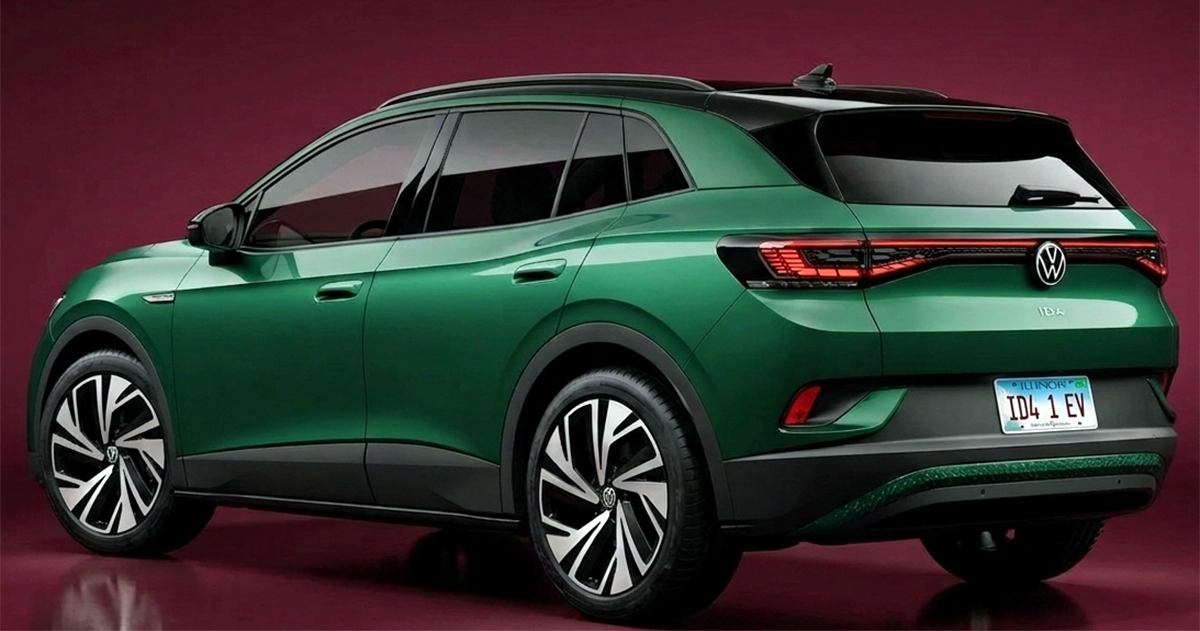
If you own or lease a 2023–2025 Volkswagen ID.4 under the battery recall, this suit argues the charging limits and fast-charging shutoff have left you unable to use the EV as promised.

Allegations Only · No Settlement Yet
This article describes a class action complaint. The statements below are unproven allegations. Volkswagen has not been found liable, there is no certified class, and nothing to claim at this time. This page is informational and is not legal advice. If your vehicle is under a recall, follow the official Volkswagen recall notice and any NHTSA guidance.
What Is This About?
Volkswagen is facing a proposed class action lawsuit alleging that certain ID.4 electric SUVs were sold with a defective high-voltage battery that can catch fire. The case was brought by two California lessees who say the problem — and Volkswagen's response to it — has left them unable to use their vehicles as promised.The case is captioned Chen et al. v. Volkswagen Aktiengesellschaft et al., Case No. 2:26-cv-05409, and is pending in the U.S. District Court for the District of New Jersey. According to the complaint, it was filed on May 13, 2026. The named plaintiffs reportedly leased a 2023 ID.4 and a 2025 ID.4 and seek to represent a nationwide class along with a California subclass of people who bought or leased an affected vehicle. Volkswagen has not been found liable, and the claims remain unproven.
Status
Complaint Filed
Proposed class action · Chen et al. v. Volkswagen Aktiengesellschaft et al.
Allegation
Defective high-voltage battery with fire risk
Suit cites at least six alleged battery fires, three recalls, and charging restrictions on ID.4 EVs
Can I Claim?
No — nothing to claim yet
No settlement, no fund, no claim form at this stage
What the Lawsuit Alleges
At the center of the case is the ID.4's high-voltage battery. The complaint alleges the battery is prone to overheating and can catch fire, and that Volkswagen knew about a fire risk well before it told owners. According to the suit, Volkswagen first learned of a battery fire in one of the vehicles roughly two years before issuing its first recall, and the plaintiffs claim the company is aware of at least six fires connected to the high-voltage battery.The complaint says Volkswagen ultimately issued three recalls for the affected ID.4 vehicles, beginning in December 2025. As interim measures, owners were reportedly told to limit charging to 80%, to avoid charging overnight, and to stop using Level 3 DC fast chargers. The plaintiffs argue those restrictions defeat the purpose of owning an electric vehicle: a reduced usable range, longer charging times, and the loss of fast charging that many drivers rely on for longer trips.
Based on those allegations, the complaint reportedly brings claims for:
• Fraudulent concealment
• Negligent misrepresentation
• Breach of the federal Magnuson-Moss Warranty Act
• Violations of California's Unfair Competition Law (UCL)
• Violations of California's Consumers Legal Remedies Act (CLRA)
As with any complaint, these are allegations only. A court has not ruled on whether the battery is defective or whether Volkswagen did anything wrong.
Free settlement alerts
Get notified when new class actions open to claims
Join thousands of readers who get the latest class action settlements you may qualify for — delivered straight to your inbox.
Is There a Volkswagen ID.4 Settlement Yet?
No. Chen et al. v. Volkswagen Aktiengesellschaft et al. is a newly filed lawsuit, not a settlement.That means:
• There is no settlement fund.
• There is no claim form.
• There is no payout, and no deadline to act.
• Owners and lessees do not need to do anything to "join" at this stage.
The filing of a complaint is the very beginning of a case. Volkswagen has not been found liable simply because a lawsuit was filed, and the case remains pending unless and until a newer docket entry says otherwise. If the case is ever resolved through a settlement, or a class is certified, a formal claims process with its own eligibility rules and deadlines would be announced separately.
Separate from this lawsuit, the recalls themselves are handled through Volkswagen and the National Highway Traffic Safety Administration (NHTSA). If your ID.4 is covered by a recall, that repair is free regardless of how the litigation turns out, and you should follow the official recall notice.
Who Could Be Affected?
The complaint reportedly seeks to represent people across the United States who purchased or leased an affected ID.4, with a separate subclass for California consumers. The vehicles at issue are ID.4 electric SUVs from roughly the 2023 through 2025 model years that fall under Volkswagen's high-voltage battery recalls. Because no class has been certified yet, the exact vehicle list, model years, and class definition are not final and could change.Drivers most likely to care about this case include:
• ID.4 owners and lessees who received a battery recall notice
• Owners told to cap charging at 80% or to stop using DC fast charging
• Drivers who say their usable range or resale value dropped after the recall fixes
• Anyone who bought or leased an ID.4 without being told about a battery fire risk
If you own or lease an ID.4, it may be worth keeping your purchase or lease paperwork, recall letters, and any service records in case a class is later certified and a claims process opens. There is nothing to file right now.
What Should ID.4 Owners Do Now?
Even though there is nothing to claim, owners can take a few practical steps. Check whether your specific vehicle is under a recall using your VIN through NHTSA's recall lookup or Volkswagen's owner site, and schedule any free recall repair your dealer offers. Follow the manufacturer's interim guidance about charging limits and where to park, since that guidance is about safety, not the lawsuit. Keep copies of any recall notices and service visits.This page is informational and is not legal advice. Owners with questions about their individual rights — including state "lemon law" options for a vehicle that has been repeatedly out of service — may want to speak with a licensed attorney in their state.
What Happens Next?
From here, the case will move through the normal early stages of federal litigation. Volkswagen may file a response to the complaint or a motion to dismiss, the parties may exchange information in discovery, and the plaintiffs would at some point ask the court to certify a class. Any of these steps can take months, and the case could be amended, narrowed, consolidated, or resolved along the way.OpenClassActions.com will continue watching the docket for any major updates, including a motion to dismiss, class certification activity, settlement talks, or any future claim form. For another example of an auto safety-defect class action at the complaint stage, see our coverage of the GM brake cylinder class action lawsuit.
Frequently Asked Questions
Is there a Volkswagen ID.4 battery settlement yet?
No. The case is a proposed class action lawsuit. There is no settlement, no fund, and no claim form. Volkswagen has not been found liable just because a lawsuit was filed.What does the lawsuit allege?
According to the complaint, certain ID.4 EVs have a defective high-voltage battery that can catch fire, Volkswagen allegedly knew of the risk for about two years before recalling the vehicles, and the interim fixes — an 80% charge cap, no overnight charging, and no Level 3 DC fast charging — leave owners unable to use the cars as promised. The allegations are unproven.Do I need to file a claim?
No. Because this is a lawsuit and not a settlement, there is nothing to claim and no deadline. If a settlement or certified class ever produces a claims process, deadlines and eligibility would be announced then. In the meantime, follow any official recall notice for your vehicle.Sources
• U.S. District Court for the District of New Jersey — Chen et al. v. Volkswagen Aktiengesellschaft et al., Case No. 2:26-cv-05409 (filed May 13, 2026)• National Highway Traffic Safety Administration — vehicle recall lookup by VIN: NHTSA Recalls
• Reuters / Law360 and primary auto-industry reporting on the ID.4 battery recalls and complaint
For more class actions keep scrolling below.
Status
Complaint Filed — Proposed Class Action
Case Title
Chen et al. v. Volkswagen Aktiengesellschaft et al.
Case Number
2:26-cv-05409
Court
U.S. District Court, District of New Jersey
Date Filed
May 13, 2026
Vehicles
Volkswagen ID.4 EVs (~2023–2025) under battery recall
Recall Lookup
NHTSA Recall Lookup