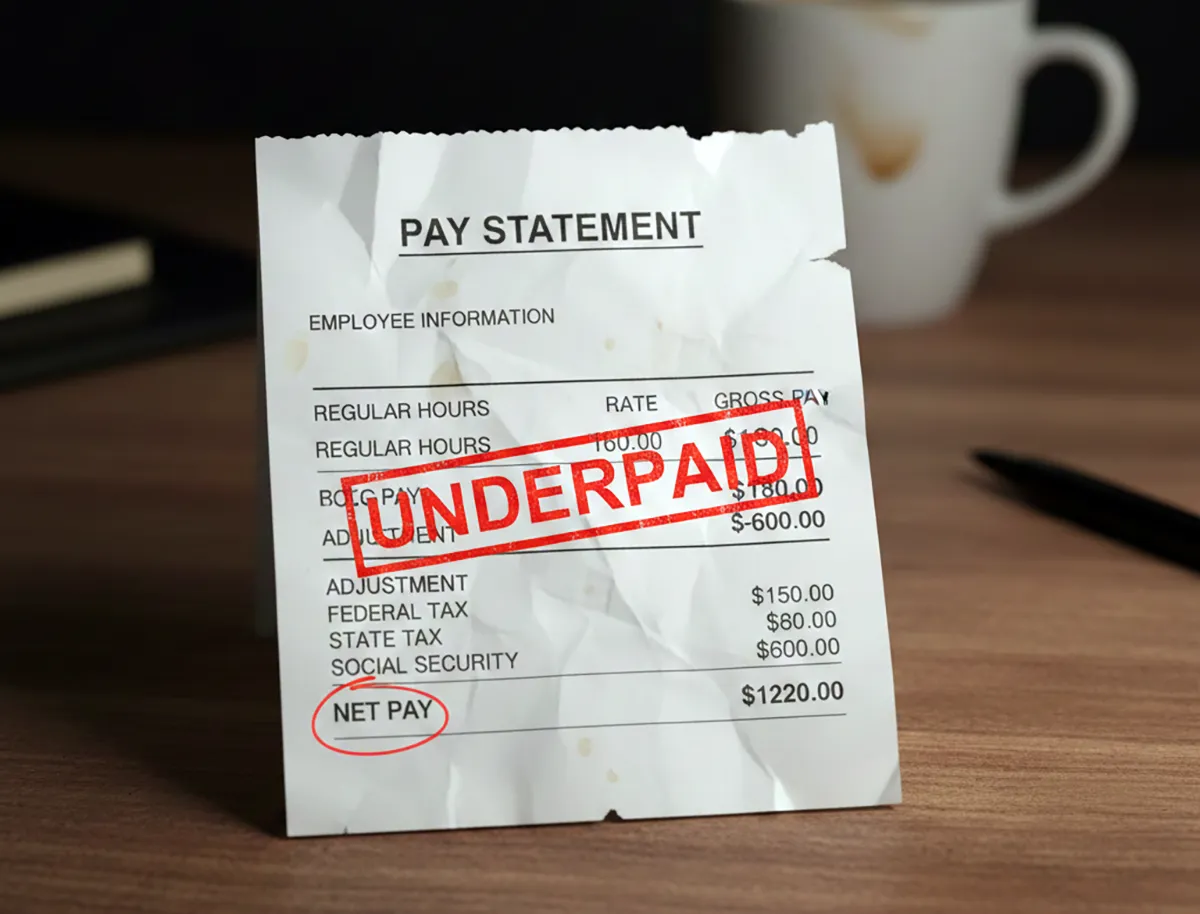
Hourly customer service and client support representatives who worked for ADP in the past three years may be covered by a proposed collective and class action alleging ADP did not pay them for time spent logging into and out of computer systems before and after their shifts. No collective or class has been certified and there is nothing to file yet.


Allegations Only · No Settlement Yet
This article describes a class action complaint. The statements below are unproven allegations. ADP, Inc. has not been found liable, no collective or class has been certified, and there is nothing to claim at this time. This page is informational and is not legal advice.
Who Is Covered
The lawsuit is about ADP’s own employees. It covers current and former hourly, non-exempt workers ADP calls “Representatives,” who answered client calls, resolved client issues and trained clients on ADP software, in ADP contact centers or remotely anywhere in the United States. The complaint names these job titles, without limiting the group to them:- Customer Service Representative
- Client Service Associate
- Associate Client Support Consultant
- Client Support Specialist and Client Support Consultant
- HCM Service Consultant and NAS HCM Service Consultant II
- A nationwide FLSA collective of hourly Representatives who worked for ADP at any time in the three years before September 15, 2026, through judgment. Executives, administrative and professional staff, computer professionals and outside salespeople are excluded.
- A nationwide class of hourly Representatives for breach-of-contract and unjust enrichment claims over unpaid straight time.
- An Arizona class of Representatives who worked for ADP in Arizona, under the state’s wage laws.
Free settlement alerts
Get notified when new class actions open to claims
Join thousands of readers who get the latest class action settlements you may qualify for — delivered straight to your inbox.
What the Lawsuit Alleges
The case is Moore v. ADP, Inc., No. 2:26-cv-12195, filed September 15, 2026 in the U.S. District Court for the District of New Jersey, where ADP has its headquarters in Roseland. An hourly ADP representative based in Arizona brought it, represented by Brown, LLC and Sommers Schwartz, P.C. The complaint alleges:- Representatives had to be “On Queue” the moment their shift began, so before they were allowed to clock in they had to turn on their computers, sign in to Windows, connect to ADP’s VPN with two-factor authentication, and open programs such as Outlook, OneNote, Workforce Now and the sales system. That took about 10 to 30 minutes or more per shift.
- They were told to clock out after their last call and only then close their programs and shut down, which took about 5 to 7 more minutes.
- ADP enforced this through attendance and schedule-adherence scores, and representatives could be coached, warned or fired for missing them.
- ADP calculated overtime from base hourly pay only, leaving out incentive payments that, the complaint says, federal rules require to be counted in the “regular rate.”
What the Workers Want
The complaint brings four counts: unpaid overtime under the Fair Labor Standards Act; the Arizona Minimum Wage Act and Arizona Wage Payment Act; breach of contract; and, in the alternative, unjust enrichment. It asks for unpaid wages and overtime, an equal amount in liquidated damages under the FLSA, damages under Arizona law, which the complaint says allows up to three times the unpaid wages,, attorneys’ fees, interest, and an order requiring ADP to turn over contact information so notice can be sent to eligible workers. No dollar total is stated, and the complaint estimates the group at hundreds or thousands of current and former representatives.What Happens Next
ADP will answer or move to dismiss. The workers are expected to ask the court for conditional certification of the FLSA collective, which would let notice go to current and former representatives. Federal overtime claims are opt-in: a worker joins only by filing a written consent with the court, and the FLSA’s time limit (generally two years, or three for a willful violation) keeps running for each worker until that worker’s consent is filed. The state-law classes would need separate class certification under Rule 23.This page will be updated if the court approves notice, the case is dismissed or the parties settle.
Read the Complaint
Moore v. ADP, Inc. — Collective and Class Action Complaint (PDF, September 15, 2026)
Questions
Who is covered by the ADP overtime lawsuit?
The complaint covers current and former hourly, non-exempt ADP employees who worked as customer service or client support representatives at any time in the three years before September 15, 2026, in contact centers or remotely anywhere in the United States. Job titles named include Customer Service Representative, Client Service Associate, Associate Client Support Consultant, Client Support Specialist, Client Support Consultant, HCM Service Consultant and NAS HCM Service Consultant II. It is about ADP’s own employees, not businesses that use ADP payroll.
I get paid through ADP. Am I part of this lawsuit?
Not because of that. Many employers use ADP to run payroll, but this lawsuit is about how ADP paid its own hourly representatives. Someone who works for a different company and receives an ADP paystub is not covered.
Is there an ADP settlement or claim form?
No. The lawsuit was filed September 15, 2026, no collective or class has been certified, and there is no settlement or claim form. ADP has not been found liable and had not responded in court as of October 2, 2026.
How does joining an FLSA collective action work?
A federal overtime claim under the Fair Labor Standards Act is opt-in. A worker becomes part of the collective only by filing a written consent to join with the court, usually after the judge approves sending notice to eligible employees. The FLSA’s time limit is generally two years, or three years for a willful violation, and for each worker it keeps running until that worker’s consent is filed.
How much unpaid time does the ADP lawsuit claim?
The complaint alleges representatives lost about 20 to 42 minutes of pay per day: roughly 10 to 30 minutes or more booting up and logging into computer programs before clocking in, and about 5 to 7 minutes shutting down after clocking out. It also alleges incentive pay was left out of the rate used to calculate overtime. These are allegations, and no dollar total is stated.
Sources
• Collective and Class Action Complaint — Moore v. ADP, Inc., U.S. District Court for the District of New Jersey, Case No. 2:26-cv-12195 (filed September 15, 2026): Complaint (PDF)• Docket for Moore v. ADP, Inc., via CourtListener: CourtListener Docket
• U.S. Department of Labor, Wage and Hour Division — Fact Sheet #64: Call Centers under the Fair Labor Standards Act