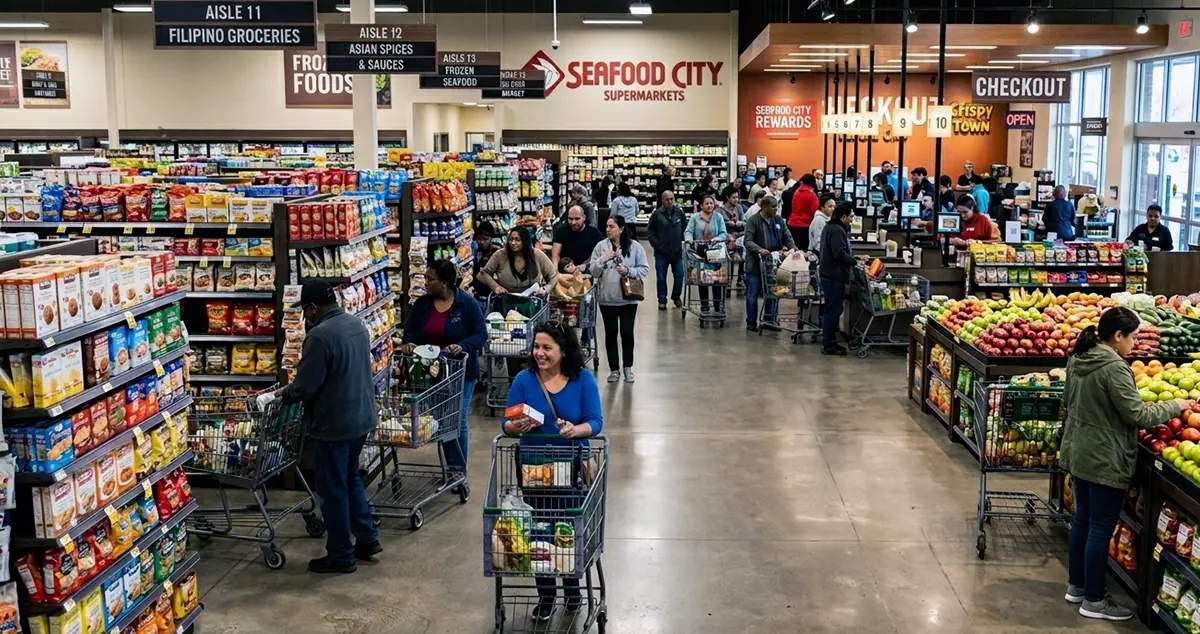
Published
November 4, 2025
As the federal shutdown squeezed SNAP funding, Legal Aid and the Urban Justice Center sued to stop New York City from reimposing food-stamp work rules on 100,000+ recipients.
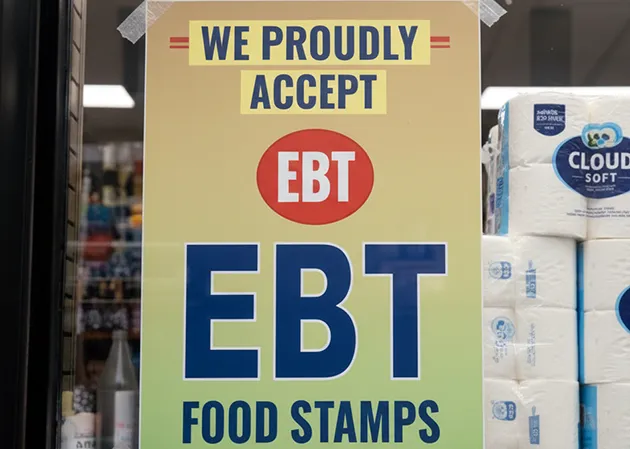

What is the Food Stamps Government Shutdown Class Action About?
A new class action by The Legal Aid Society and the Urban Justice Center’s Safety Net Project asks a federal judge to stop the early return of SNAP work requirements in New York City. The filing says more than 100,000 people could suddenly face new work or training rules to keep their food stamps.The federal shutdown has left millions of Americans worried about whether essential programs like food stamps will continue. Courts have stepped in and ordered USDA to keep issuing Supplemental Nutrition Assistance Program benefits using backup funds. So payments are still going out, potentially partially in some cases.
At the same time, a major change is happening in New York City. The Legal Aid Society and the Urban Justice Center’s Safety Net Project have filed a class action lawsuit to stop the early return of stricter SNAP work requirements. The filing warns that more than 100,000 people in the city could be pushed into new rules with too little time to respond.
Are Partial SNAP Payments Going Out?
During the government shutdown, the Trump administration is only funding about half of November SNAP benefits for now, using emergency money until Congress approves more.So are people still receiving their SNAP EBT payments, despite the government shutdown right now? Yes. In many states, SNAP benefits are being issued in phases, not in one full deposit. This is because:
USDA is currently operating on emergency contingency funds
This limits how far ahead states can load benefits.
States are prioritizing the most at risk households first
For example: seniors with cash assistance, households with zero income, or those who recertified recently.
Some states are splitting payments into more than one deposit
They issue the guaranteed amount now. Any additional funds get issued later once USDA confirms more money.
So when you hear “payments are still going out,” it does not always mean the full benefit has arrived yet. It means benefits have not stopped, but the timing and amount can look different than usual.
Why Only 50 Percent of Snap Benefits?
There are widespread reports of delayed or partial November 2025 SNAP disbursements tied to the federal shutdown. Exact timing and amounts can vary by state and even by case.Treat anything you read as guidance, not a guarantee for your case. Check your own account status directly.
The government has been forced to rely on a limited SNAP contingency fund. It has enough money right now to cover half of what is normally needed for one month of food stamps nationwide. That means everyone is guaranteed only a reduced amount for November unless Congress approves more funding or the shutdown ends.
Case Snapshot
● Case name: Urban Justice Center-Safety Net Project, et al. v. Rollins (USDA Secretary)
● Court: U.S. District Court, Southern District of New York
● Filed: October 28, 2025
● Status: Complaint filed, class certification requested, preliminary relief requested.
● Allegation: USDA lacked authority to cut short New York’s SNAP waiver and gave too little time for city systems and recipients to comply.
● Affected: An estimated 100,000+ NYC SNAP recipients classified as ABAWDs.
● Court: U.S. District Court, Southern District of New York
● Filed: October 28, 2025
● Status: Complaint filed, class certification requested, preliminary relief requested.
● Allegation: USDA lacked authority to cut short New York’s SNAP waiver and gave too little time for city systems and recipients to comply.
● Affected: An estimated 100,000+ NYC SNAP recipients classified as ABAWDs.
What Changed With SNAP Work Rules
SNAP has special rules for “Able-Bodied Adults Without Dependents.” If you are in this group and not exempt, you must meet work or training rules to keep benefits. New federal policy tightened waivers and told states to re-impose these rules sooner than expected in New York City.Will I Get My Food Stamps?
Courts have ordered USDA to continue funding SNAP during the federal shutdown, so regular benefits should continue. Watch your mail and your HRA notices. If you get a notice about work rules, call right away and ask about exemptions like health limits, pregnancy, homelessness, or caregiving. Missing an appointment or not replying can cause a stop in benefits even when you qualify.Are Food Stamps Delayed or Canceled for October 2026?
Two federal rulings required USDA to issue benefits during the shutdown using contingency funds. States still have to run their own systems, so exact deposit timing can vary by case. City or state hotlines may be busy. If your card did not reload on the usual day, check again within 24–48 hours, then contact HRA.How Many People are Affected
The complaint says more than 100,000 NYC recipients who are labeled ABAWD could be pulled into the work-rule system at once, which is a heavy lift for notices, language access, screening, and scheduling.When Will this Class Action Be Certified
Class certification is not automatic. Plaintiffs asked the court to certify a class of NYC SNAP recipients labeled ABAWD. The judge will decide after briefing. Until certification or a settlement, the case applies to the named plaintiffs, with possible temporary relief for the broader group if the court orders it.What are the Odds This Class Action is Settled
Many benefits cases settle, but outcomes vary. Settlement depends on how quickly the policy landscape changes and what relief the court orders. If courts keep food stamps funded during the shutdown and agencies adjust timing for work rules, the case could narrow or resolve. There is no settlement now.What is the Anticipated Settlement Amount
This is not a money-damages case like a consumer refund. The class action lawsuit primarily seeks orders stopping or delaying the early end of the waiver and protecting people from wrongful cutoffs. There is no per-person payout.How much will Each Class Action Claimant be Paid
No payments are expected. The relief sought is policy and timing relief, not cash.What are the odds that the class action will be certified and settled and eventually pay out
Certification and injunctive relief are possible, a cash payout is unlikely. This case is about keeping benefits flowing and preventing sudden cutoffs.Plain-English Context, How Shutdowns and Work Rules Interact
A federal shutdown can pause regular funding. Courts can order agencies to use backup funds so people still get basic aid. At the same time, if new work rules start quickly, large systems like NYC’s HRA must send notices, translate them, screen for exemptions, and schedule activities fast. If timing is too tight, people who should keep benefits can lose them by mistake. That is why the lawsuit argues for more time.Key Definitions
• ABAWD: Able-Bodied Adult Without Dependents.
• Countable month: A month when someone subject to ABAWD rules did not meet them. Three countable months within a three-year period can stop benefits until compliance resumes.
• Waiver: A federal permission that pauses the ABAWD time limit for areas with weak job markets. New policy narrowed when waivers are allowed.
Looking for Ways to Supplement Your Income?
If you are trying to get through the shutdown and keep food on the table, every bit helps. One option is to check whether you qualify for settlement payments from active class actions. It takes only a few minutes to see if you are eligible for cash from companies that broke the rules.
Food Stamps Class Action Complaint
Sources
• Legal Aid Society, stamped complaint PDF (filed Oct 27, 2025).• NY OTDA, SNAP work requirements.
For more open class actions keep scrolling below.