Published
September 26, 2025
Raising a child with special needs is easier when the community shows up — here are concrete ways neighbors, schools, and local groups can help.
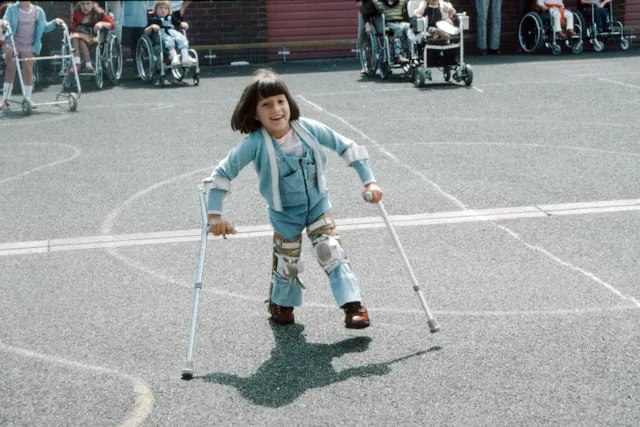

Community involvement can play a pivotal role in easing the burden on families. They can provide both practical assistance and emotional encouragement. This article explores how local communities can make a significant difference in the lives of families with special needs children and how they can promote a sense of belonging and support for everyone involved.
Understanding the Needs of Families with Special Needs Children
Children with special needs often require a range of services, including medical care, therapy, and specialized education. Each child's needs are unique, but many require ongoing physical therapy, speech therapy, and behavioral interventions to thrive.Families must navigate complex healthcare systems, often balancing appointments, treatments, and school accommodations. This can lead to emotional, physical, and financial strain, as the cost of care and therapies can quickly add up.
Early diagnosis and consistent care are critical in managing conditions like cerebral palsy or autism, allowing children to reach their full potential. For families seeking information on medical interventions, what is the treatment for cerebral palsy provides a comprehensive overview of available treatment options to support children with this condition.
Creating Inclusive Social and Recreational Programs
Community-based programs play a crucial role in fostering inclusion for children with special needs. Adaptive sports, social clubs, and arts programs provide opportunities for children to engage in physical, creative, and social activities tailored to their abilities.Local organizations, churches, and schools are often at the forefront of creating inclusive spaces where children can interact with their peers in a supportive environment. These programs not only help develop essential social skills but also promote a sense of belonging, reducing feelings of isolation. When children are given the chance to participate in community activities, they gain confidence, form meaningful relationships, and experience the joy of inclusion.
Offering Emotional and Peer Support
Support groups for parents and caregivers of children with special needs offer emotional relief and practical advice. Local groups, online communities, and workshops provide spaces for families to connect, share experiences, and learn from each other.These connections foster mutual understanding and camaraderie, helping reduce feelings of isolation. By offering a supportive environment, these groups empower parents and caregivers, providing the strength and resources they need to better support their children's needs.
Accessing Resources and Assistance
Local communities can offer essential resources like respite care, financial assistance, and educational services to families of children with special needs. Many local government programs, nonprofits, and hospitals provide these services. They offer everything from financial aid for treatments to specialized educational support.Establishing a “resource hub” within the community, whether through community centers, online platforms, or local nonprofits helps make information and support easily accessible. These hubs ensure that families can quickly connect to the resources they need, reducing stress and improving their ability to care for their children.
Endnote
Local communities play a crucial role in supporting families with special needs children. By strengthening resources, offering opportunities for connection, and providing essential assistance, we can reduce the burdens these families face. Together, we can build a compassionate, resilient community where every family has the support they need to thrive.
For more class actions keep scrolling below!