Published
April 24, 2026
If you own rifle plates or a ballistic vest, here is how to verify your armor against the NIJ Compliant Product List and when a consumer claim may be available.

Counterfeit Body Armor Lawsuits: How to Check If Your Rifle Plates Are Real
Body armor should be the last thing on your list of consumer fraud worries. Unfortunately, recent lawsuits show that even life-saving gear can be mislabeled, resold, and sold to unsuspecting buyers.If you own rifle plates or a ballistic vest, the steps below can confirm whether your armor is genuine and whether you might qualify for a consumer protection claim.
Why counterfeit rifle plates are a class action issue
In April 2025, Ohio Attorney General Dave Yost sued ShotStop Ballistics, its affiliate Vallmar Studios, and owner Vall Iliev over the alleged sale of counterfeit body armor plates.The complaint alleges the company imported ballistic plates from China, then labeled them as Ohio-made and NIJ-certified. Testing reportedly showed the plates failed Level III standards despite being marketed as Level III and IV.
The lawsuit seeks restitution for consumers who bought the defective armor. Federal criminal proceedings are ongoing, following ShotStop’s 2023 bankruptcy filing.
The long history of ballistic vest litigation
This is not the first time a body armor maker has faced a mass consumer action. In 2013, Second Chance Body Armor settled a class action over Zylon vests that degraded in heat and humidity.That case paid up to $750 per vest to eligible buyers. Toyobo, the Zylon fiber maker, separately paid $29 million to police departments nationwide.
How to verify your rifle plates right now
Start with the NIJ Compliant Product List. This official database, maintained by the National Institute of Justice, lists every body armor model that passed Standard 0101.06 testing.Check the manufacturer name, model designation, and threat level on your plate’s label. Search the CPL and confirm the model status shows “Active.”
Be skeptical of labels that read “tested to NIJ protocols” or “in compliance with.” Only “NIJ Certified” armor has completed the full certification process, including follow-up inspections.
Buying from a manufacturer with a verifiable track record
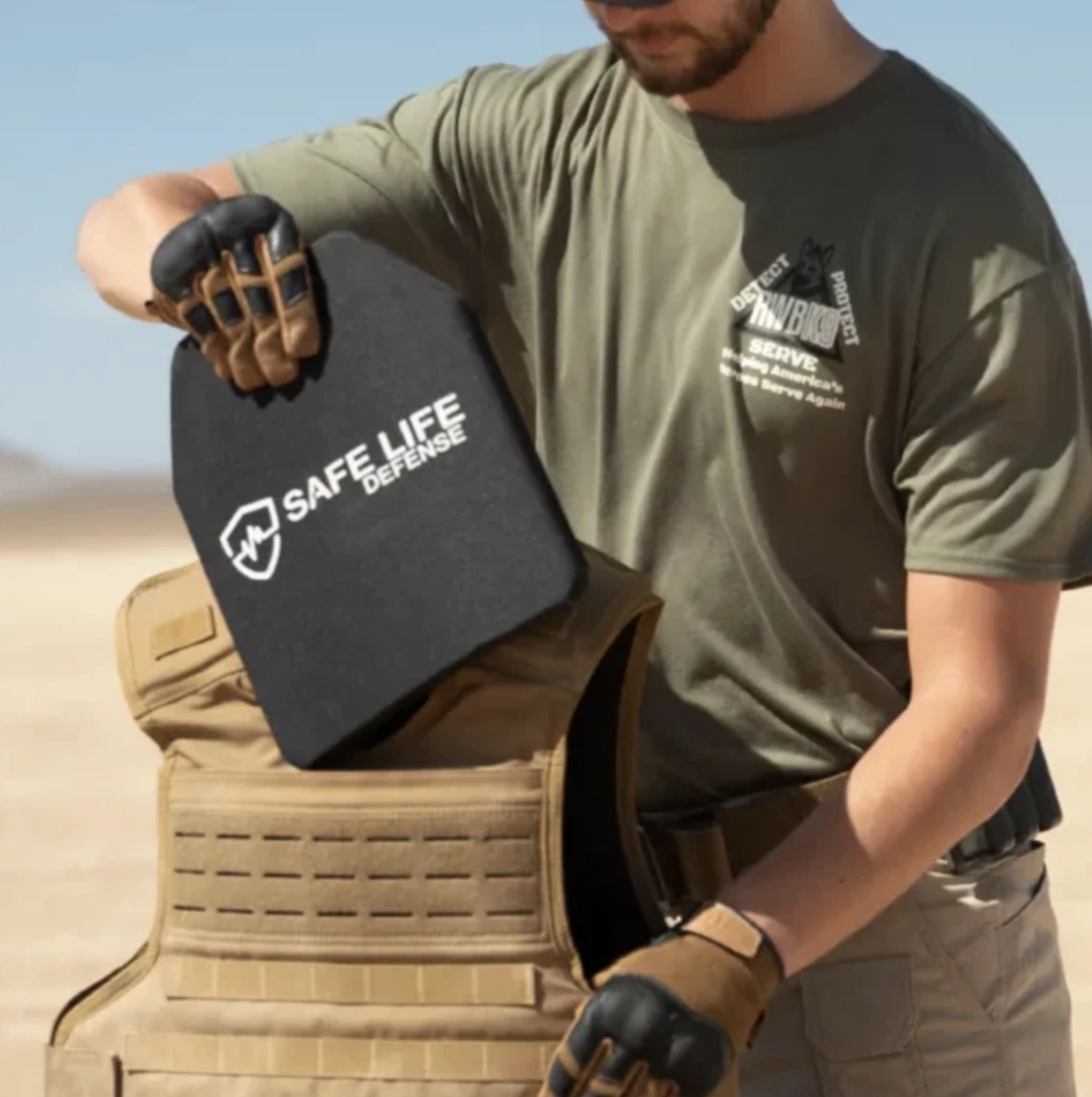
If your current plates do not match the CPL, the safest path forward is replacement from a manufacturer that publishes test data and keeps products on the Active list.As one benchmark for what transparent listings look like, rifle plates from SLD are sold with clear Level IV ICW specifications, a 5.8 pound weight, stated performance against 30-06 M2AP rounds when paired with a Level IIIA vest, and published customer reviews on the product page.
That level of specificity, including SKU, weight, and tested ammunition, is the minimum you should expect before any rifle plate purchase.
Comparison: NIJ Certified, NIJ Tested, and Uncertified armor
| Category | Testing scope | Follow-up inspections | Listed on NIJ CPL | Consumer risk |
|---|---|---|---|---|
| NIJ Certified | Full ballistic, durability, environmental | Yes, routine | Yes, Active status | Lowest |
| NIJ Tested | Ballistic testing only at third-party lab | No | No | Moderate |
| Uncertified | Manufacturer claims only | No | No | Highest |
What to watch for in a body armor consumer claim
Class actions over defective safety equipment usually allege breach of warranty, false advertising, or violation of state consumer protection statutes.If you bought ShotStop plates or similar mislabeled armor, keep your receipts, original packaging, and any correspondence. These documents matter when a settlement opens for claims.
Watch: How NIJ certification actually works
The video below walks through the independent testing process and explains why NIJ certification matters for rifle plates:Expert perspective on armor fraud
Ohio Attorney General Dave Yost summed up the enforcement stance in his April 2025 press release: “Armor is meant to save lives, not sell lies.”The Safariland Group’s certification guide notes that counterfeit plates provide “a false sense of hope” and “could get people killed,” underscoring why label verification is not optional.
Industry analysts at Police1 have repeatedly warned buyers to look for the official NIJ mark introduced in March 2017. Any plate manufactured after that date without the mark falls outside current certification.
Frequently Asked Questions
How do I know if I qualify for a body armor class action settlement?
Eligibility depends on when you bought the product, which model you own, and where the case was filed. Tracking sites that monitor active cases list deadlines and proof requirements for each settlement.Can I still file a claim if I threw away the packaging?
Sometimes yes. Many settlements allow no-proof claims for smaller payouts. Others require receipts, photos of labels, or purchase records from retailers.What should I do with counterfeit plates I already own?
Stop relying on them for protection. Document the labels, store them safely, and check whether the manufacturer has a recall or refund program. If a lawsuit is active, do not discard evidence.Is Level IV the same as NIJ rifle plate RF3?
No. RF3 is a newer designation under NIJ Standard 0101.07. Older Level IV certifications remain valid, but many manufacturers are transitioning to the updated terminology.Staying ahead of future body armor settlements
New consumer fraud cases open every month. Our monthly settlement roundup tracks active claims, deadlines, and payout estimates so buyers can act before filing windows close.You can also read about our editorial process and research methodology on our about page.
Final thoughts
The body armor market has legitimate manufacturers and a real counterfeit problem. The ShotStop case shows that even products sold to law enforcement can fail basic certification tests.Verify your plates against the NIJ CPL, save your receipts, and monitor active class actions. Your next purchase, and any potential claim, depends on those documents.
For more class actions keep scrolling below!