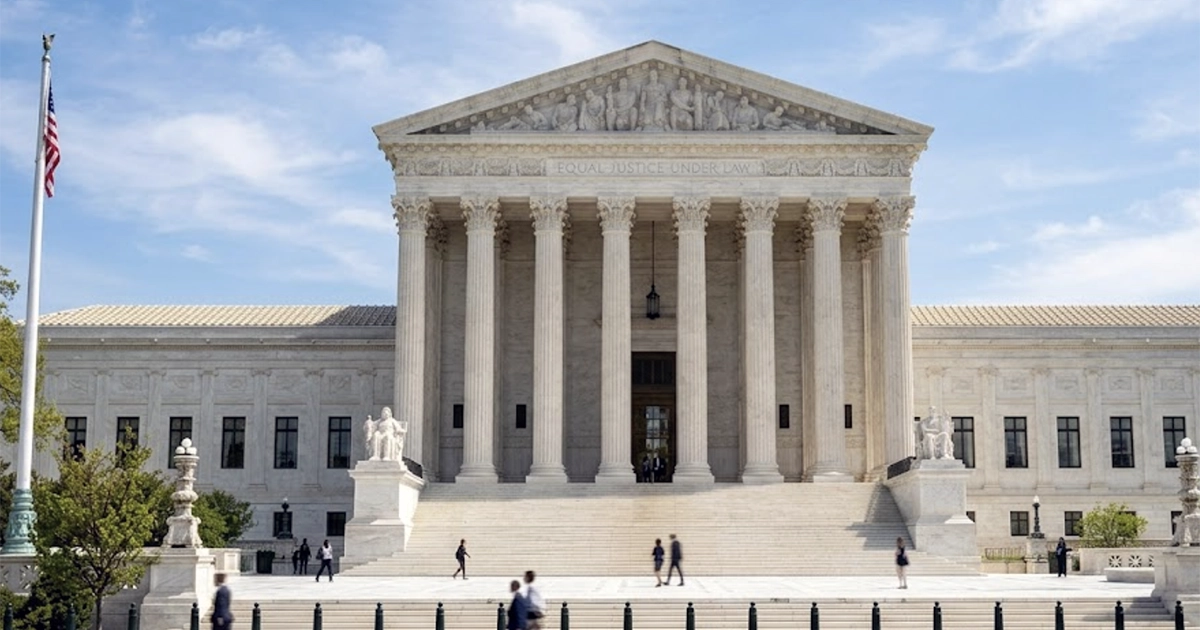
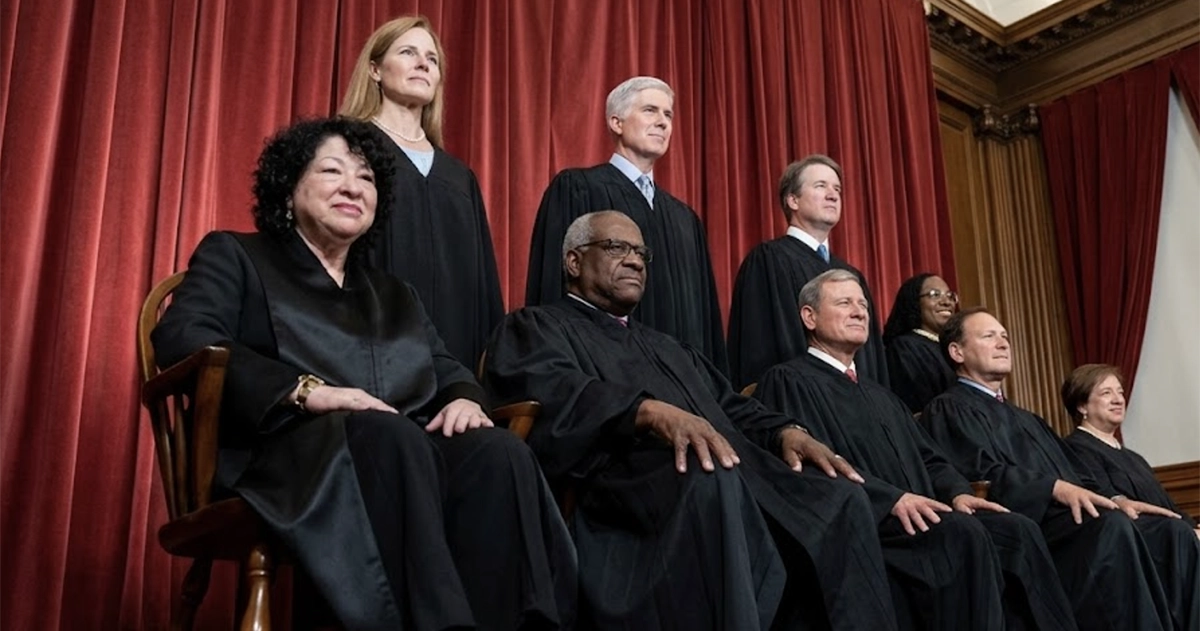
A peremptory challenge lets a lawyer in a jury trial remove a prospective juror without giving any reason, up to a fixed number of strikes set by law. Since Batson v. Kentucky in 1986, those strikes cannot be based on race or sex, and Arizona has abolished them entirely.

How a Jury Gets Picked
Before a jury trial starts, the court calls a group of people from the community to the courthouse, usually called the jury pool or venire. The judge and the lawyers then question them in a process called voir dire, a legal term from old French usually translated as "to speak the truth." The questions cover jobs, past experiences with the courts, connections to anyone in the case and opinions on the subject of the trial.The point of voir dire is to find people who can decide the case fairly based on the evidence presented in court. Once questioning ends, the two sides use two different tools to narrow the group down to the jurors who will actually hear the case: challenges for cause and peremptory challenges.
Challenge for Cause vs. Peremptory Challenge
A challenge for cause asks the judge to dismiss a prospective juror for a specific, stated reason showing that the person cannot be impartial. Common examples are a juror who is related to one of the parties, works for the company being sued, or says outright that they have already made up their mind. The judge decides whether the reason is good enough, and there is no fixed limit on how many challenges for cause either side can make.A peremptory challenge works differently. Each side gets a small, fixed number of strikes it can use to remove prospective jurors without explaining why, and the judge does not ask for a reason unless someone objects that the strike was discriminatory. The word "peremptory" means final and not open to debate. In practice, lawyers often use these strikes on people they suspect may lean against their side even though nothing said in voir dire would justify removal for cause.
Peremptory challenges have deep roots. They came to American courts from English common law, and federal statutes have provided for them since the earliest years of the republic.
Free settlement alerts
Get notified when new class actions open to claims
Join thousands of readers who get the latest class action settlements you may qualify for — delivered straight to your inbox.
How Many Strikes Each Side Gets
The number depends on the court and the kind of case. In federal court, the numbers are set by statute and by the Federal Rules of Criminal Procedure:- Federal civil trials: each party gets three peremptory challenges under 28 U.S.C. § 1870. When there are several plaintiffs or several defendants, the judge may treat them as a single party or allow additional strikes.
- Federal criminal trials for a crime punishable by death: 20 per side.
- Federal felony trials (crimes punishable by more than one year in prison): 6 for the government and 10 for the defendant or defendants jointly.
- Federal misdemeanor trials (one year or less): 3 per side.
Federal courts allow extra strikes when alternate jurors are seated, from one to three more per side depending on how many alternates there are. State courts set their own numbers by statute or court rule, and the figures vary widely from state to state and between civil and criminal cases.
The Limit: Batson v. Kentucky
"Without a reason" does not mean "for any reason." In Batson v. Kentucky (1986), the U.S. Supreme Court held that the Equal Protection Clause of the Fourteenth Amendment forbids a prosecutor from striking prospective jurors because of their race. The Court later extended that rule in several directions:- Powers v. Ohio (1991): a criminal defendant may object to race-based strikes even when the excluded juror is of a different race.
- Edmonson v. Leesville Concrete Co. (1991): the rule applies to private parties in civil cases, not only to prosecutors.
- Georgia v. McCollum (1992): criminal defense lawyers are bound by it too.
- J.E.B. v. Alabama ex rel. T.B. (1994): strikes based on sex are also prohibited.
An objection under these cases is commonly called a Batson challenge, and courts resolve it in three steps. First, the objecting side points to facts suggesting a strike may have been discriminatory, such as a pattern of strikes against jurors of one race. Second, the side that made the strike must give a reason that has nothing to do with race or sex. Third, the judge decides whether that reason is the real one or a cover for discrimination. If the judge finds discrimination, the court can reseat the juror or start jury selection over, and a conviction obtained after a discriminatory strike can be reversed on appeal.
The Supreme Court applied that framework in Flowers v. Mississippi (2019), reversing a murder conviction after finding that across the defendant's six trials, the State had used its peremptory challenges to strike 41 of the 42 Black prospective jurors it could have struck.
Why Some States Have Changed the Rules
Critics of the Batson framework, including judges, have argued for decades that it is easy to get around because a lawyer can almost always offer a neutral-sounding explanation. Justice Thurgood Marshall made that argument in his concurrence in Batson itself and wrote that the only way to end racial discrimination in jury selection was to eliminate peremptory challenges entirely.Several states have since acted:
- Arizona: in an order entered in August 2021, the Arizona Supreme Court removed peremptory challenges from both civil and criminal jury trials in state court beginning January 1, 2022. It was the first state to abolish them.
- Washington: General Rule 37, adopted by the Washington Supreme Court in 2018, asks whether an objective observer could view race or ethnicity as a factor in the strike, rather than requiring proof of purposeful discrimination. It also lists reasons, such as distrust of law enforcement or living in a high-crime neighborhood, that are presumed invalid because they have historically been associated with improper discrimination.
- California: Code of Civil Procedure section 231.7, enacted in 2020, applies a similar objective-observer test to strikes based on race, ethnicity, gender, sexual orientation, religion and other protected characteristics. It took effect for criminal trials in 2022 and has since been extended to certain civil cases.
Supporters of peremptory challenges argue that they let each side remove jurors who seem biased in ways that are hard to prove, and that this gives both parties more confidence in the final jury. The debate continues in courts and legislatures.
Peremptory Challenges in Class Action Trials
A class action that reaches a jury follows the same jury selection rules as any other civil case in that court. In federal court, that means the three-strike starting point in 28 U.S.C. § 1870, with the judge deciding whether the many class members and any co-defendants count as one party or get extra strikes. Class members who are not named plaintiffs generally do not take part in jury selection.Jury selection is uncommon in class actions because most of them settle before trial, often after the court rules on class certification. It does happen in cases that are tried, and in mass tort litigation, where groups of individual cases are often tested in front of a jury through bellwether trials before broader settlement talks.
Frequently Asked Questions
What is a peremptory challenge in simple terms?
A peremptory challenge is a limited number of strikes each side gets during jury selection to remove a prospective juror without stating a reason. It differs from a challenge for cause, which requires showing the court a specific reason, such as bias, that the person cannot serve fairly.
How many peremptory challenges does each side get?
It depends on the court and the type of case. In federal civil trials, 28 U.S.C. § 1870 gives each party three, and the judge may treat several plaintiffs or several defendants as one party or allow more. In federal criminal trials, Federal Rule of Criminal Procedure 24(b) gives each side 20 in a capital case and 3 in a misdemeanor case; in a felony case the government gets 6 and the defense 10. State courts set their own numbers.
Can a lawyer strike a juror because of race or sex?
The U.S. Supreme Court held in Batson v. Kentucky (1986) that the Equal Protection Clause bars prosecutors from striking jurors because of race, and later extended the rule to civil cases, to criminal defense lawyers and to strikes based on sex. When a strike is challenged, the lawyer must give a reason unrelated to race or sex, and the judge decides whether that reason is genuine.
What is a Batson challenge?
A Batson challenge is an objection that the other side used a peremptory strike for a discriminatory reason. The court follows three steps: the objecting party makes an initial showing that discrimination may be at work, the striking party offers a neutral explanation, and the judge decides whether the explanation is believable or a pretext.
Has any state eliminated peremptory challenges?
Arizona became the first state to do so. An Arizona Supreme Court order entered in August 2021 removed peremptory challenges from both civil and criminal jury trials in state court beginning January 1, 2022. Washington and California kept peremptory strikes but adopted stricter tests for objections that a strike was biased.
Do peremptory challenges apply in class action trials?
A class action that goes to a jury trial uses the same jury selection rules as any other civil case in that court. Most class actions settle before trial, so jury selection is uncommon in them, but it does occur in cases that are tried, including bellwether trials in mass tort litigation.
Sources
• 28 U.S.C. § 1870 — Challenges (Cornell Legal Information Institute)• Federal Rule of Criminal Procedure 24 — Trial Jurors (Cornell Legal Information Institute)
• Batson v. Kentucky, 476 U.S. 79 (1986)
• Powers v. Ohio, 499 U.S. 400 (1991)
• Edmonson v. Leesville Concrete Co., 500 U.S. 614 (1991)
• Georgia v. McCollum, 505 U.S. 42 (1992)
• J.E.B. v. Alabama ex rel. T.B., 511 U.S. 127 (1994)
• Flowers v. Mississippi, No. 17-9572 (U.S. June 21, 2019)
• Arizona Supreme Court — Rule petition R-21-0020 (peremptory challenges)
• Washington Courts — General Rule 37, Jury Selection
• California Legislative Information — Code of Civil Procedure § 231.7