Seventy former baristas at the Beehive Espresso stands around Puget Sound were preliminarily awarded more than $1.85 million in September 2026, after a King County Superior Court judge found that the stands' operator failed to pay minimum wage, took tips and denied sick leave for years. The class is closed at those 70 workers — there is no claim form and nobody else can join.


What Is This About?
After a multi-week class action trial, King County Superior Court Judge Cindi Port found that Alan Tagle and his company Tagle & Partners LLC committed widespread violations of Washington's wage and hour laws at the five bikini barista coffee stands he operated in the Puget Sound area, most of them under the name Beehive Espresso.The court preliminarily awarded more than $1.85 million in back pay, penalties and interest to 70 former baristas, with additional interest and attorneys' fees still to be determined. The case was brought on behalf of all current and former baristas employed by the company. Class counsel Schroeter Goldmark & Bender, which brought the case in July 2024 with co-counsel Fair Work Center, announced the result on September 3, 2026. The court certified the case as a class action on June 10, 2025.
Judge Port found the baristas' testimony and evidence credible, and found that the violations were not accidental but intentional and willful.
Paid Out of the Till
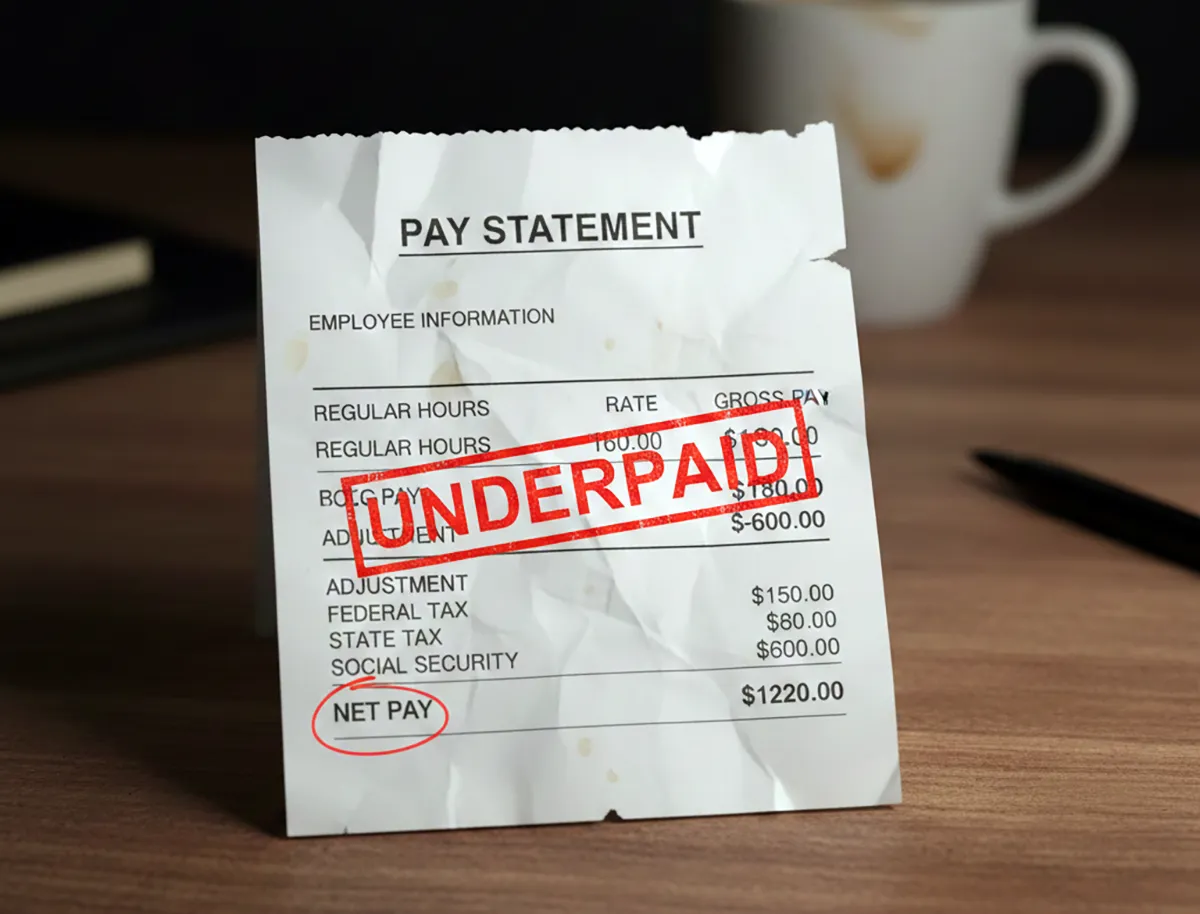
The central practice the court found was the absence of a payroll system at all. For several years the business issued no paychecks and no paystubs to its baristas and did not track their hours or keep other payroll records, instead instructing them to take their wages and tips directly out of the till.That arrangement is the reason the case took a multi-week trial rather than a spreadsheet. Washington requires employers to record hours worked and issue itemized pay statements, and an employer who keeps no records does not thereby win — the burden shifts, and courts will reconstruct what was owed from worker testimony. Judge Port credited that testimony and found, in the court's phrasing, that the operator accepted the benefit of the baristas' work without paying for it.
The findings covered failure to pay minimum wage, tip theft, paid sick leave violations, and restraints on the baristas' ability to work a second job.
Free settlement alerts
Get notified when new class actions open to claims
Join thousands of readers who get the latest class action settlements you may qualify for — delivered straight to your inbox.
The Rebates and the Second-Job Ban
Two findings do more work than the headline figure.The first is the rebates. Baristas were made to hand back a portion of their wages and tips to the business to meet "sales goals." The court awarded double damages on those amounts. Washington permits doubling where an employer's failure to pay was willful rather than the product of a genuine dispute, and the willfulness finding is what unlocked it here.
The second is the ban on working elsewhere. The operator prohibited baristas from taking shifts at other bikini barista stands, and restraints on the baristas' ability to work a second job were among the violations the court found. Class counsel characterizes the ban as a tactic to dissuade workers from challenging how they were being treated. Washington has restricted non-compete and moonlighting bans on lower-wage workers precisely because they function this way: a worker who cannot take a second job cannot afford to walk out, and a worker who cannot afford to walk out is easier to underpay.
What Happens Next
The award is preliminary. Additional interest and attorneys' fees remain to be determined by the court, and a judgment of this kind is subject to appeal. Reported totals have varied depending on whether they count wages alone or wages together with penalties and interest, which is worth keeping in mind against any single number.There is nothing for anyone outside the class to do. The 70 class members are identified from the certified class period, and no claim form or settlement website exists.
This page is informational and is not legal advice.
Why a 70-Person Case Is Worth Reading About
The recovery here works out to a meaningful sum per worker, which almost never happens in a class action. That is a function of scale running the other way: 70 people dividing $1.85 million is a different proposition from 1.4 million people dividing $50 million, and it is why small wage classes can be worth bringing when large consumer classes over a few dollars each often are not.The fact pattern also generalizes past coffee stands. Cash-heavy, tip-heavy workplaces with young or precarious workforces — bars, salons, car washes, delivery, adult-adjacent service work — produce the same three ingredients repeatedly: no time records, wages paid informally, and some mechanism that keeps workers from leaving. Every one of those is a violation on its own in most states, and the absence of records tends to help the workers rather than the employer once a case is actually tried.
Workers who suspect the same pattern should keep whatever record exists — schedules, texts, deposit history, photos of a shift board — and note that wage claims run on deadlines counted backward from the day a claim is filed. Waiting does not preserve a claim; it shortens it.
Sources
- Class counsel's case announcement and case-update page for the litigation against Tagle & Partners LLC (Beehive Espresso), September 3, 2026 — the source for the award figure, the class size, the certification date and the court's findings
- Contemporaneous Seattle-area news coverage of the trial result
- Washington Minimum Wage Act and Wage Payment Act provisions on recordkeeping, itemized pay statements, tips and exemplary damages
Questions
Can other baristas still join this case?
No. The class was certified in June 2025 and the award went to 70 former baristas who worked for the certified employer during the covered period. There is no claim form and no settlement website. Someone who worked at a different bikini barista company is not covered by this judgment, and would need their own case.
Is the $1.85 million award final?
Not yet. Class counsel described the figure as a preliminary award of back pay, penalties and interest, with additional interest and attorneys' fees still to be determined by the court. A judgment of this kind is also subject to appeal, and reported figures have varied depending on whether they count wages alone or wages plus penalties and interest.
Why did the court double part of the award?
Washington's wage laws permit double damages where an employer's failure to pay was willful rather than a bona fide dispute. The court applied that to the wages and tips baristas were made to rebate to the business to meet sales goals, having found the violations intentional and not accidental.
Is it legal for an employer to ban you from working a second job?
Generally not in Washington, which restricts non-compete and moonlighting restrictions on lower-wage workers. The court found the ban on baristas working at other bikini barista stands unlawful, and described it as a tactic to discourage workers from challenging how they were treated.
What should a worker do who was paid out of the till with no paystub?
Keep whatever record exists — schedules, texts, deposit records, photos of the shift board — because the absence of employer records is what these cases turn on. Washington requires employers to track hours and issue itemized paystubs, and when they do not, courts will accept worker testimony and reconstruction. Wage claims carry deadlines that run backward from the day a claim is filed, so waiting shortens what is recoverable.