Published
October 27, 2025
Updated
July 16, 2026
This settlement resolved allegations that Home Depot’s in-store payment terminals did not give blind and low-vision shoppers accessible audio-and-tactile access to the cash-back feature at checkout. It provides structural relief only — accessible terminals and manager training at U.S. stores, with no cash payments and no claim ever to file.

What Was the Home Depot ADA Cash-Back Settlement?
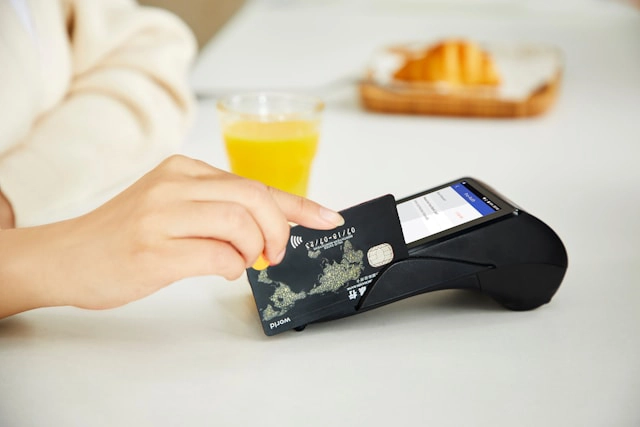
This class action settlement resolved allegations that Home Depot’s in-store payment terminals violated the Americans with Disabilities Act (ADA) by failing to give blind and low-vision shoppers accessible, independent access to the cash-back feature at checkout. Plaintiffs alleged the terminals did not provide audio readouts of on-screen prompts or a tactile keypad option that these customers need to use the cash-back function privately and independently. Home Depot denies the allegations and any wrongdoing.The case is Dalton v. Home Depot U.S.A., Inc., No. 0:23-cv-02126 (DWF/DLM), in the U.S. District Court for the District of Minnesota. It is an injunctive-relief settlement: rather than paying cash to class members, Home Depot agreed to make its cash-back payment terminals accessible nationwide. There was never a claim form, and the objection/exclusion deadline of January 2, 2026 has passed. The final-approval hearing was held January 14, 2026.
Status
Injunctive Relief Only
No settlement fund and no cash to class members. Final-approval hearing held January 14, 2026.
Claim Form
None — nothing to file
Structural relief only; no cash payments.
Class
Blind/low-vision U.S. Home Depot shoppers
Nationwide — no purchase-date window.
Benefit
Accessible cash-back terminals + training
Completed within four years of the effective date.
Who Was Included in the Settlement?
The nationwide class covered blind or low-vision individuals — and others with ADA-defined disabilities — in the United States who use or require audio readouts of on-screen prompts and tactile keypads to use payment terminals, and who were, allege they were, or will be denied full and equal enjoyment of the cash-back feature at any U.S. Home Depot store. There is no purchase-date window: membership turns on the accessibility need and the store experience, not on when someone shopped.Free settlement alerts
Get notified when new class actions open to claims
Join thousands of readers who get the latest class action settlements you may qualify for — delivered straight to your inbox.
What Did the Settlement Provide?
The relief is structural rather than monetary — the goal is to make the cash-back feature usable by blind and low-vision shoppers going forward:• Accessible cash-back terminals: Home Depot agreed to update or replace the software on at least one cash-back-enabled payment terminal in each U.S. store so it provides audio readouts of the on-screen cash-back prompts and offers a tactile or comparable ADA-compliant keypad option.
• Manager training: store managers are to be trained on the updated, accessible software.
• Completion timeline: the accessibility updates are to be completed within four years of the settlement’s effective date.
• Fees and costs: Home Depot agreed to pay a combined $65,000 covering attorneys’ fees, costs, and a service award, subject to court approval.
There are no cash payments to class members — the settlement delivers accessibility improvements, not individual compensation, and class members did not need to file anything to benefit.
Why Was the Lawsuit Filed?
The lawsuit alleged that Home Depot’s in-store payment terminals denied blind and low-vision customers private, independent, and equal access to the cash-back feature because the terminals lacked audio readouts and an accessible tactile keypad, in violation of the ADA. Home Depot denied the allegations and did not admit liability as part of the settlement, agreeing instead to the accessibility changes described above.ADA accessibility settlements can draw close scrutiny from regulators. In a separate matter, the U.S. Department of Justice urged a court to reject a proposed deal over an inaccessible retail website — see our analysis of the DOJ’s opposition to the Fashion Nova accessibility settlement.
Key Dates
• Objection / Exclusion Deadline: January 2, 2026 (passed)• Final Approval Hearing: Held January 14, 2026
• Accessibility Updates: to be completed within four years of the effective date
Case Information
• Caption: Dalton v. Home Depot U.S.A., Inc.• Case No.: 0:23-cv-02126 (DWF/DLM)
• Court: U.S. District Court, District of Minnesota
• Administrator: Simpluris
• Relief: Injunctive (structural) relief only — no cash to class members
• Status: No claim form; objection/exclusion deadline passed January 2, 2026; final-approval hearing held January 14, 2026
Sources
- Official Settlement Website — Home Depot ADA POS Settlement
- U.S. District Court, District of Minnesota — Dalton v. Home Depot U.S.A., Inc., No. 0:23-cv-02126 (DWF/DLM)
- Official Settlement Notice (PDF) — court-approved class notice
For more class actions keep scrolling below.
Relief
Injunctive relief only — accessible cash-back terminals + manager training
Case Title
Dalton v. Home Depot U.S.A., Inc.
Case Number
0:23-cv-02126 (DWF/DLM)
Court
U.S. District Court, District of Minnesota
Administrator
Simpluris
Fees & Costs
$65,000 for attorneys’ fees, costs, and a service award, subject to court approval
Final Approval Hearing
Held January 14, 2026
Status
Injunctive relief only — no claim to file
Official Website
Home Depot ADA POS Settlement.com