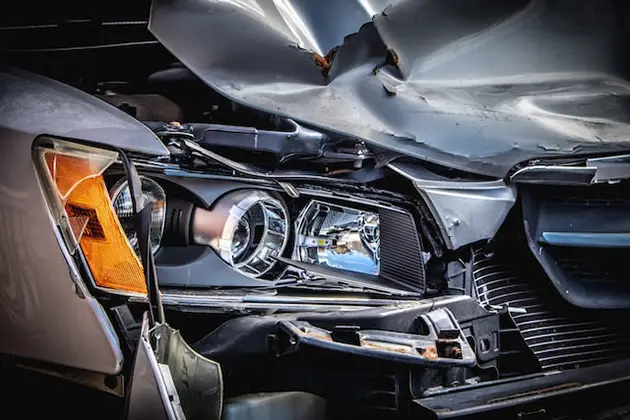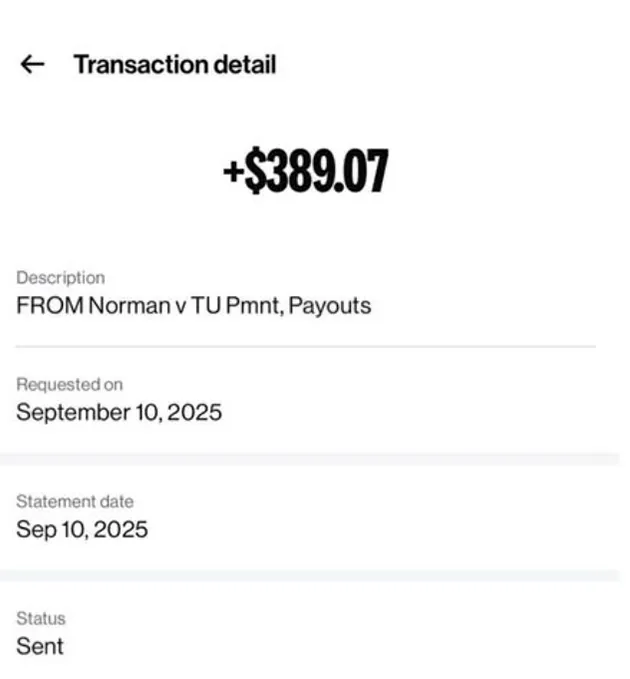

The core rule is simple. If you financed or leased a vehicle and made at least one payment before you entered military service, your lender cannot take that vehicle during your service without first getting a court order. Courts also refuse to rubber stamp those orders. Before a judge can enter a default against an absent borrower, the creditor must file a military status affidavit confirming whether that borrower is on active duty. A lender that skips the courtroom altogether skips every one of those safeguards, and that is exactly where wrongful repossessions begin.
TL;DR: Under 50 U.S.C. § 3952, a lender or leasing company may not repossess a servicemember's vehicle without a court order if the servicemember paid a deposit or installment before entering military service. Knowingly violating this rule counts as a federal misdemeanor, and affected servicemembers can sue for damages and attorney's fees. If it happened to you, document everything, put the lender on written notice, and contact your installation's legal assistance office right away.
What the SCRA Says About Vehicle Repossession
Congress wrote the repossession protection into Section 3952 of the SCRA, and the language leaves little room for creative interpretation. Once a servicemember enters military service, a creditor cannot rescind or terminate a qualifying purchase or lease contract for a missed payment, and it cannot take the property back without a court order. The statute names motor vehicles specifically, so there's no debate about whether cars, trucks, and motorcycles fall under it.The protection covers breaches that happened before your service as well as during it. A borrower who fell behind three months before reporting for duty still gets the shield once service begins.
When a lender does go to court, the judge holds broad power to protect you. The court can:
- Order the creditor to refund all or part of the payments you already made as a condition of taking the vehicle back
- Pause the proceedings when military service materially affects your ability to keep up with payments
- Craft any other outcome that fairly preserves the interests of both sides
That last point matters more than most borrowers realize. A judge who sees a soldier on deployment orders and a creditor demanding the keys has every tool needed to slow things down.
Who Qualifies for SCRA Repossession Protection
Not every servicemember with a car loan qualifies, so check two conditions before assuming coverage.First, you must be in military service. That includes active duty members of the Army, Navy, Air Force, Marine Corps, Space Force, and Coast Guard. National Guard members qualify when called to federal service under Title 10, or under Title 32 orders lasting more than 30 consecutive days in response to a national emergency declared by the President. Commissioned officers of the Public Health Service and NOAA on active service also fall under the Act. For reservists, the clock starts early: protections kick in on the date you receive orders, not the date you report.
Second, you must have signed the contract and paid something before service began. The statute applies only when the servicemember made a deposit or installment payment before entering military service. A vehicle you financed while already on active duty does not get Section 3952 protection, although other parts of the SCRA, such as the 6% interest rate cap, may still apply to older debts.
Spouses often ask whether they're covered too. Section 3952 protects the servicemember's own contract. If the loan sits in both names, the lender still needs a court order to take the vehicle, because repossessing it would strip the servicemember of jointly owned property.
When a Repossession Crosses the Line Into "Wrongful"
A repossession turns wrongful under the SCRA when three facts line up: the borrower qualified for protection, the contract predates service, and the lender took the vehicle without a court order or a valid waiver. Intent doesn't decide civil liability. A lender that "didn't know" the borrower served still violated the law if it never checked.Federal enforcers treat that failure to check as the violation itself. In February 2026, the Justice Department settled with CarMax after alleging that the retailer repossessed servicemembers' vehicles without court orders, including some vehicles taken after owners told the company they were in the military. CarMax agreed to pay at least $420,000 in damages to servicemembers plus a civil penalty, and the settlement requires military status checks before referral for repossession, after recovery, and before sale.
The pattern repeats across the industry. Large national lenders, captive finance arms of automakers, and small credit unions have all faced federal claims over the same basic mistake.
Common Red Flags
Watch for these signs that your repossession may have violated the SCRA:- The lender never filed a lawsuit or served you with court papers
- You told the lender or the recovery agent about your service, and they took the vehicle anyway
- The lender cited a waiver you never signed, or one buried inside your original loan contract
- You received a deficiency bill after the auction without any court proceeding behind it
Can You Waive Your SCRA Rights?
Yes, but the law makes it hard to do by accident. Under 50 U.S.C. § 3918, a waiver that affects repossession must meet strict conditions. You must sign it in writing, during or after your military service, as a separate document from the original loan. The waiver must also use at least 12 point type and spell out the specific legal instrument it covers.A clause hidden in a finance contract you signed years before enlisting does not qualify. Neither does a verbal agreement with a collector over the phone. Even a voluntary surrender deserves caution: if a recovery agent pressures you to "just hand over the keys," you still hold the right to insist the lender go through a judge.
What Happens to Lenders Who Repossess Illegally
The SCRA attaches criminal, civil, and federal enforcement consequences to an illegal repossession.On the criminal side, Section 3952 makes it a misdemeanor to knowingly resume possession of property in violation of the Act, punishable by a fine, up to a year in prison, or both. Prosecutors rarely bring these cases, but the provision signals how seriously Congress viewed the conduct.
Civil exposure carries more practical weight. Since 2010, 50 U.S.C. § 4042 has let servicemembers sue directly for equitable relief and monetary damages, and courts can award attorney's fees and costs to the winning servicemember. That fee provision makes these cases attractive to consumer attorneys, which means many servicemembers can find representation without paying upfront.
Then comes the Justice Department, which enforces the SCRA through its Civil Rights Division. The scale tells the story: the Department reports obtaining more than $484 million in monetary relief for over 149,000 servicemembers since 2011 through SCRA enforcement. Repossession settlements typically pay each affected servicemember a set amount plus lost equity, require deletion of negative credit trade lines, and force the lender to overhaul its policies and training.
What to Do If Your Vehicle Was Wrongfully Repossessed
Speed matters here. Once a lender sells the vehicle at auction, getting the car itself back becomes far harder, even though your claim for damages survives. Take these steps in order.- Gather your proof of service. Pull your orders, your Leave and Earnings Statement, and the date you entered active duty. Reservists should keep a copy of the orders showing when you received them.
- Collect the loan paperwork. Find your original contract and records showing at least one payment before your service began. Bank statements work if you lack receipts.
- Send the lender written notice. Email and certified mail both create a record. State that you qualify for SCRA protection, attach your orders, and demand the immediate return of the vehicle without fees.
- Contact your legal assistance office. Every installation has a legal assistance office staffed by military attorneys who handle SCRA issues at no cost. The Armed Forces Legal Assistance locator helps you find the nearest one.
- File complaints with federal agencies. The Justice Department accepts SCRA complaints through servicemembers.gov, and the Consumer Financial Protection Bureau takes complaints about auto lenders and has forwarded several repossession cases to federal enforcers.
- Check your credit reports. Look for a repossession trade line or collection account and dispute it with each bureau if the repossession violated the SCRA.
- Talk to a private attorney about damages. If the lender refuses to cooperate, a consumer protection attorney can evaluate a lawsuit under Section 4042.
Keep every letter, voicemail, and text from the lender and the recovery company. Those communications often show exactly when the lender learned about your service.
How Lenders and Repossession Agencies Stay on the Right Side of the Law
Servicemembers aren't the only ones who benefit from understanding these rules. Lenders, recovery agents, and towing operators carry the burden of identifying protected borrowers before they act, and federal settlements now spell out what that looks like in practice.The minimum standard involves checking military status before referring a vehicle for repossession, again after recovery, and once more before sale or disposition. Many lenders rely on the Defense Manpower Data Center (DMDC) database for this step. The DMDC works well when the lender has a correct Social Security number, but its results grow less reliable with incomplete identifiers, and a stale or inconclusive search offers little protection in a later lawsuit.
When a lender does pursue a court order, a sworn affidavit documenting the borrower's military status becomes part of the record. An affidavit backed by verified, dated search results shows the court that the creditor did its homework, while a vague or unsupported one invites delay or reversal.
Protecting Your Vehicle and Your Rights Before Trouble Starts
The strongest SCRA protection works before a tow truck ever shows up. If you financed a vehicle before entering service, send your lender a copy of your orders as soon as you receive them and ask the company to flag your account as SCRA protected. That single letter removes any claim of ignorance and often prompts the lender to apply the 6% interest cap at the same time. Keep a copy, note the date, and repeat the step each time you receive new orders.Missing payments still carries consequences, of course. The SCRA doesn't erase the debt; it guarantees you a judge before anyone takes your property. If deployment strains your budget, ask the lender about deferment or a modified payment plan, and bring your legal assistance attorney into the conversation early.
For lenders and recovery companies, the takeaway runs in the other direction: verify first, repossess second. A court accepted verification paired with a properly prepared affidavit costs far less than a federal settlement.
Free settlement alerts
Get notified when new class actions open to claims
Join thousands of readers who get the latest class action settlements you may qualify for — delivered straight to your inbox.
FAQs
Can a lender repossess a servicemember's car without a court order?
Not if the servicemember paid a deposit or installment on the vehicle before entering military service. In that case, Section 3952 of the SCRA requires a court order for the entire period of service. Vehicles financed after service began fall outside this specific protection.
Does the SCRA protect National Guard and Reserve members from repossession?
Yes, when they serve under qualifying orders. Reservists gain protection on the date they receive orders, and Guard members qualify under Title 10 federal orders or Title 32 orders exceeding 30 consecutive days in response to a presidentially declared national emergency.
What damages can I recover after a wrongful repossession under the SCRA?
Under 50 U.S.C. § 4042, you can seek monetary damages, equitable relief such as return of the vehicle, and reasonable attorney's fees and costs. Damages often include lost equity, personal property inside the vehicle, credit harm, and related losses.
Is a waiver in my original car loan contract valid under the SCRA?
Generally no. A valid waiver must appear in a separate written document signed during or after military service, printed in at least 12 point type, and must identify the specific contract it covers.
How do lenders check whether a borrower is on active duty?
Most lenders search the Defense Manpower Data Center database or use a third party verification service. When a creditor seeks a court order and the borrower doesn't respond, it must also file an affidavit stating the borrower's military status before the court can enter a default judgment.