More on Deadlines, Notices & Class Action Procedure
- Rule 60(b)(1) — Relief From a Judgment: the companion rule for undoing a judgment or order after it is entered, on excusable neglect Read the guide →
- Opt-Out / Exclusion: the deadline to leave a certified class and keep your own claim Read the guide →
- Class Action Claim Form: how claim deadlines work and what to do about a late claim Read the guide →
- Why Did I Get a Class Action Notice? the notice that tells you your deadlines to claim, object, or opt out Read the guide →
- PACER — Court Records: where deadlines, motions, and orders in a federal case are docketed Read the guide →
More Class Actions
With Proof
Lawsuit Update
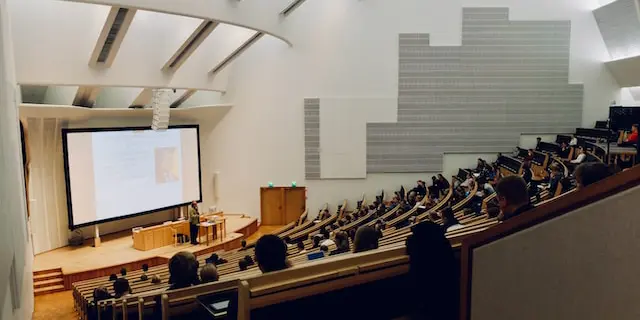
College Financial Aid Lawsuit — Litigation Class Certified
Class certified vs. 5 non-settling schools · opt-out deadline August 22, 2026
Automatic
Settlement
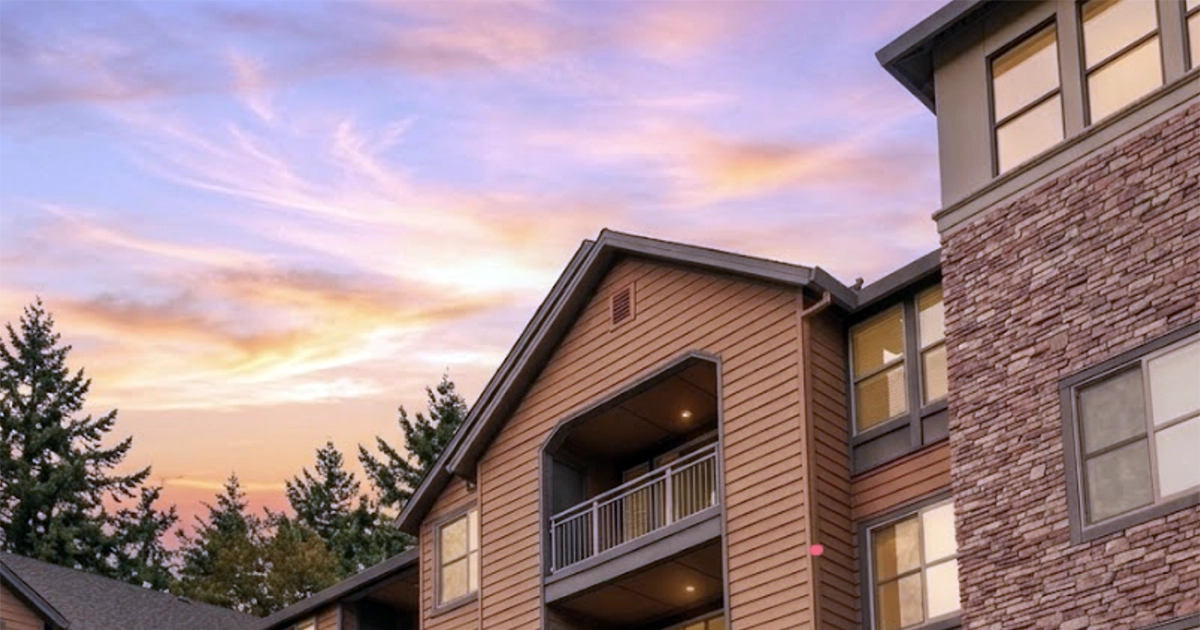
Hunter Warfield Settlement — $350 Automatic Payments
Maryland tenants get $350 automatically · final approval hearing Aug 25, 2026
With Proof
Antitrust
Renters: $359.9M RealPage Rent Price-Fixing Settlement
If you rented an apartment from a large property management company since October 2018, you may be owed pro rata cash over software that allegedly inflated rents.
 HOT
HOT
No Proof
Consumer Products
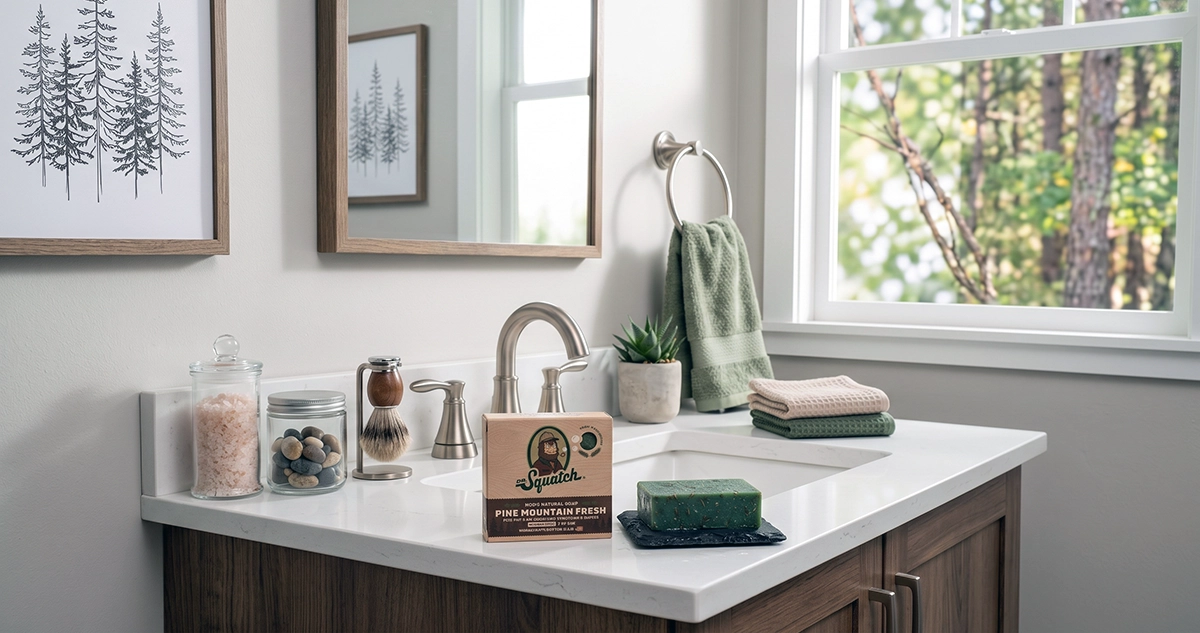
Dr. Squatch $9M "Natural" Settlement — $0.50 a Product, No Receipt
$0.50 for every Dr. Squatch soap, deodorant or body wash you bought since November 2018 — five on your word alone, or 25 in total with receipts.