More Litigation Basics
- Multidistrict Litigation (MDL): How hundreds of related suits get consolidated in front of one judge — and how that differs from a class action. Read the guide →
- The JPML: The seven-judge panel that decides whether cases become an MDL and which court hears them. Read the guide →
- Bellwether Trial: Why a handful of test cases get tried first in mass litigation, and what their verdicts actually settle. Read the guide →
- Pro Se: What representing yourself means, and the limits courts place on it. Read the guide →
- Civil vs. Criminal Lawsuits: Two court systems, two burdens of proof — how they differ and where they overlap. Read the guide →
More Class Actions

With Proof
Settlement
$850M+ Generic Drug Price-Fixing Settlements
Pro rata cash for anyone who paid out of pocket for common generic drugs between 2009 and 2019.

With Proof
Settlement
Renters: $359.9M RealPage Rent Price-Fixing Settlement
Pro rata cash if you rented from a large property manager since October 2018, over software that allegedly inflated rents.
20 Hours Left
With Proof
Settlement
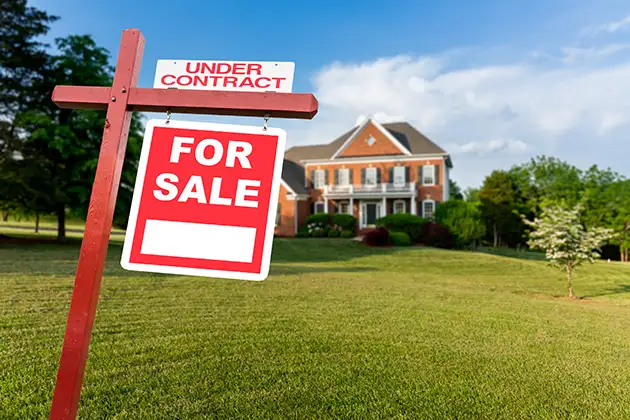
NAR Homebuyer Antitrust Settlement — $120.3M
Pro rata cash for anyone who bought an MLS-listed home where a commission was paid — buyers only, not sellers.
 HOT
HOT
No Proof
Consumer Products
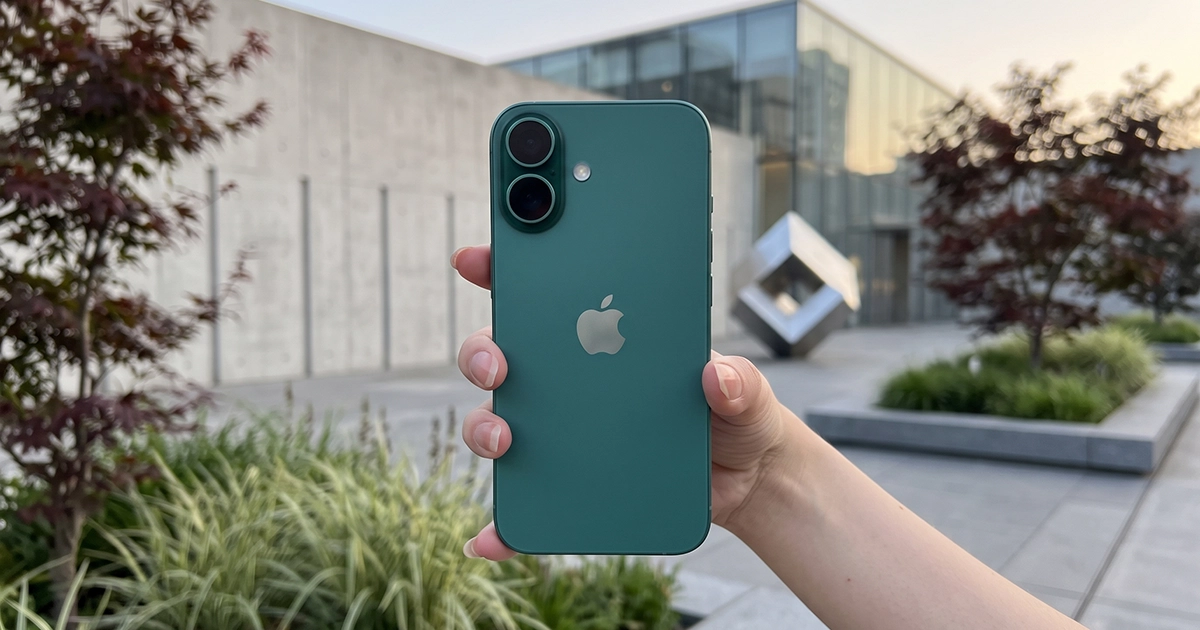
$250M Apple Intelligence Settlement — $25 to $95 per iPhone
$25 per iPhone 15 Pro, 15 Pro Max or iPhone 16 model bought in the U.S. between June 10, 2024 and March 29, 2025, adjustable up to $95 · serial number or Apple Account email stands in for a receipt