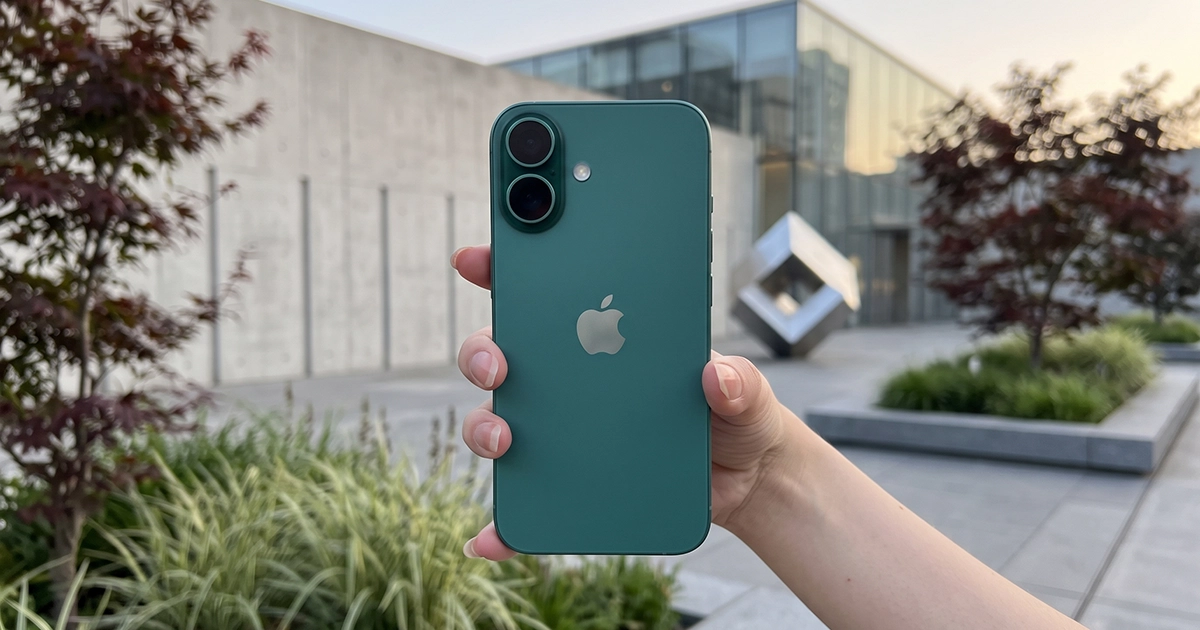
People in the U.S. who bought a new iPad from the Buy Box on Amazon.com since May 7, 2020 may be covered by a proposed class action alleging Amazon and Apple agreed to remove most independent Apple resellers from Amazon, raising iPad prices. No class has been certified and there is nothing to file yet.

Allegations Only · No Settlement Yet
This article describes a class action complaint. The statements below are unproven allegations. Amazon.com, Inc. and Apple Inc. have not been found liable, there is no certified class, and nothing to claim at this time. This page is informational and is not legal advice.
What Is This About?
Two iPad buyers filed a proposed class action against Amazon.com, Inc. and Apple Inc. on October 9, 2026 in the U.S. District Court for the Western District of Washington in Seattle. The case is Furdek v. Amazon.com, Inc., No. 2:26-cv-03843. It is brought on behalf of U.S. shoppers who bought a new iPad from the Buy Box on Amazon.com from May 7, 2020 onward.The complaint alleges that Amazon and Apple, which compete with each other to sell Apple products online, agreed in 2018 to remove most independent sellers of Apple products from Amazon’s marketplace. According to the complaint, the arrangement left Amazon as the dominant seller of iPads on its own site and pushed iPad prices there higher than they would otherwise have been. It brings a single claim under Section 1 of the Sherman Act.
The case is at the complaint stage. Neither company has responded on the docket, no class has been certified, and there is no settlement, fund or claim form. The same two buyers raised the same claims in an earlier case that was dismissed on procedural grounds, and the complaint describes this filing as a protective one while they appeal.
Free settlement alerts
Get notified when new class actions open to claims
Join thousands of readers who get the latest class action settlements you may qualify for — delivered straight to your inbox.
What the Complaint Alleges
The complaint describes a 2018 arrangement it calls the Global Tenets Agreement, dated October 31, 2018 and effective January 1, 2019. Before then, according to the complaint, there was no limit on who could sell Apple products on Amazon, at least 600 independent Apple resellers were active on the platform by early 2018, and some were selling at more than 20% below the prices on Apple’s own online store.The complaint alleges that under the agreement Apple authorized only seven resellers to sell its products on Amazon in the United States, and Amazon removed the Apple listings of the rest. In return, it says, Apple agreed to supply Amazon directly at a discount of up to 10%, on the condition that the excluded sellers stayed off the platform. The complaint points to Amazon’s written answers to a House Judiciary subcommittee after a July 2019 hearing, which it says acknowledged an agreement with Apple permitting seven resellers of new Apple products. It also relies on a November 2021 decision by Italy’s competition authority about the same arrangement, which the complaint says was later annulled on procedural grounds.
To measure the effect, the complaint compares iPad prices on Amazon with prices for Samsung Galaxy tablets, which it calls the iPad’s closest competitor and which were not covered by the agreement. It says Samsung tablets averaged $274 less than iPads before the agreement and $563 less afterward. Controlling for product features, it estimates the overcharge at about $40 to $109 per iPad. Those figures come from the plaintiffs’ own analysis of public Amazon pricing data and have not been tested in court.
The complaint argues the arrangement is a group boycott, or concerted refusal to deal, between two competitors, and alternatively that it fails the rule-of-reason analysis courts apply to most business agreements because Amazon holds market power in online marketplaces, including a submarket for tablet sales. Amazon and Apple have not yet answered these allegations.
Who Is in the Proposed Class?
The proposed class is every person and business that, while a U.S. resident, bought a new iPad from the Buy Box on Amazon.com from May 7, 2020 to the date of class notice. The Buy Box is the panel on an Amazon product page that holds the “Add to Cart” and “Buy Now” buttons; the complaint says 90% of shoppers rely on it when they buy on Amazon. Amazon and Apple, their affiliates, employees and officers, the judges assigned to the case and government entities are excluded.The class does not cover iPhones, Macs or other Apple products, used or refurbished iPads, or iPads bought outside Amazon. The May 7, 2020 start date is four years before the two buyers first raised these claims in the earlier case, and the complaint argues the earlier filing paused the clock on the class’s claims. The definition can change, and it exists only as a proposal until a court certifies a class.
The Earlier Case: Floyd v. Amazon
The same alleged agreement was challenged in Floyd v. Amazon.com, Inc., No. 2:22-cv-01599, filed in the same court in November 2022, in which the two buyers behind the new case later became named plaintiffs. That case ended without a ruling on whether the agreement was lawful. In 2025 the court reversed an earlier order that had allowed the complaint to be amended, finding after reviewing new information about counsel’s communications with the original plaintiff that counsel had not diligently sought or explained the need for the amendment. Without an eligible plaintiff, the case was dismissed and closed in September 2025.On July 28, 2026 the court denied the two former plaintiffs’ request to reconsider that ruling. The new complaint says the dismissal was on grounds unrelated to the merits, that the plaintiffs are appealing it, and that they filed the new case to guard against any argument that their claims are now too late. They also filed a notice telling the court the two cases are related.
What the Lawsuit Seeks
The complaint asks the court to certify the class and to order Amazon and Apple to stop the practices it challenges. It seeks a declaration that those practices are unlawful, damages, including the treble damages available under federal antitrust law, restitution, interest, and attorneys’ fees and costs. The plaintiffs demand a jury trial. The case was filed by Hagens Berman Sobol Shapiro LLP.What Happens Next
Amazon and Apple will be served and are expected to respond, typically with motions to dismiss. Because the two buyers are also appealing the dismissal of the earlier case, the outcome of that appeal may shape how this one proceeds. There is no lead plaintiff deadline in this kind of case and nothing for iPad buyers to file.Money would become available only if the case produces a settlement or a judgment for a certified class. That would come with a court-approved notice and its own claim process.
Questions
Does the Amazon and Apple lawsuit cover iPhones, MacBooks or other Apple products?
Not as the class is currently defined. The complaint describes an agreement covering Apple products generally, but the proposed class is limited to U.S. residents who bought a new iPad from the Buy Box on Amazon.com from May 7, 2020 onward. Used and refurbished iPads, and iPads bought from Apple, Best Buy or other stores, fall outside that definition. The definition can change, and no class has been certified.
What was Floyd v. Amazon, and how is it connected to the new case?
Floyd v. Amazon.com, Inc. was an earlier proposed class action in the same court over the same alleged agreement, filed in November 2022. The court dismissed it in 2025 for lack of a plaintiff after reversing an order that had let the complaint be amended, and on July 28, 2026 it denied a request to reconsider. The new complaint says the plaintiffs are appealing that dismissal and filed the new case to protect their claims against any time bar.
Is this the same case as the Amazon Marketplace antitrust class action certified for 288 million shoppers?
No. That case, De Coster v. Amazon.com, Inc., challenges Amazon’s rules that allegedly discouraged sellers from offering lower prices elsewhere. The Furdek case challenges a specific 2018 arrangement between Amazon and Apple over who could sell Apple products on Amazon, and its proposed class covers only new iPads bought from Amazon’s Buy Box.
How much does the complaint say iPad buyers overpaid?
The complaint estimates an overcharge of about $40 to $109 per iPad, based on its analysis of public Amazon pricing data that compares iPads with Samsung Galaxy tablets. That is the plaintiffs’ estimate, not a finding, and it does not mean any money is available. Amazon and Apple have not yet responded to the complaint.
Can iPad buyers file a claim in the Amazon and Apple case?
There is nothing to file. The case is at the complaint stage, no class has been certified, and there is no settlement, fund or claim form. If the case later produces a certified class, a settlement or a judgment, class members would receive a formal notice explaining any claim process.
Sources
- CourtListener docket — Furdek v. Amazon.com, Inc., No. 2:26-cv-03843 (W.D. Wash.)
- Class action complaint — filed October 9, 2026 (55 pages)
- Notice of related case — identifying Floyd v. Amazon.com, Inc., No. 2:22-cv-01599 (October 9, 2026)
- CourtListener docket — Floyd v. Amazon.com, Inc., No. 2:22-cv-01599 (W.D. Wash.)
- Order denying Rule 59/60 relief — Floyd v. Amazon.com, Inc. (July 28, 2026)