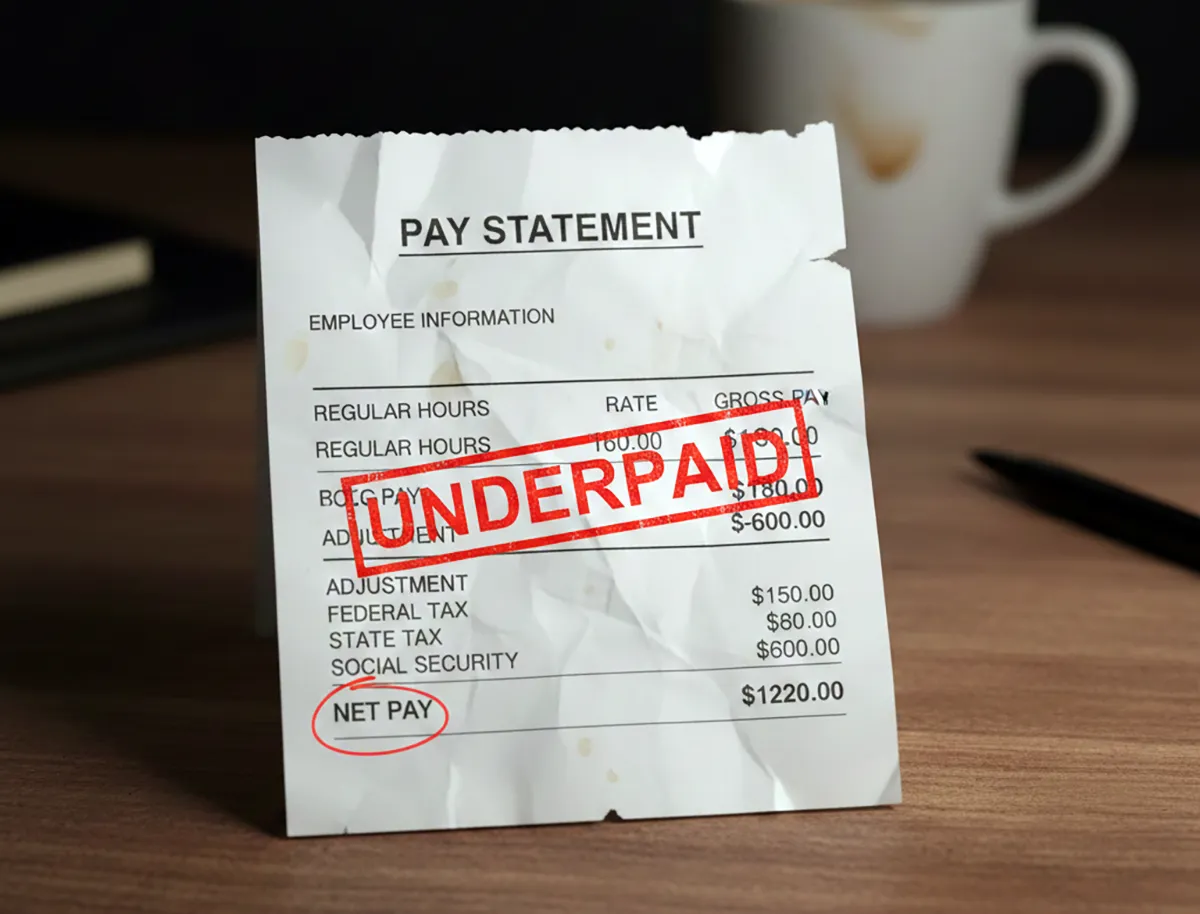
After a viral December 2024 video accused PayPal's Honey browser extension of quietly taking credit for sales that YouTubers and bloggers drove, more than two dozen lawsuits landed within weeks. A year and a half later the consolidated case is still being fought at the pleading stage — PayPal has won several rounds — and there is no settlement and nothing to claim. Here is the honest status.

Allegations Only · No Settlement Yet
This article describes class action complaints. The statements below are unproven allegations. PayPal has not been found liable, courts have dismissed earlier versions of these complaints, there is no certified class, and nothing to claim at this time. This page is informational and is not legal advice.
What Is This About?
Honey is a free browser extension, acquired by PayPal in 2020 for about $4 billion, that pops up at online checkouts offering to find and apply coupon codes. In December 2024, a video investigation by the YouTube channel MegaLag accused Honey of two things: hijacking the affiliate commissions of the very creators who promoted it, and showing shoppers worse coupons than actually existed. The video drew tens of millions of views, and more than 25 lawsuits followed within weeks.The federal cases were consolidated as In re PayPal Honey Browser Extension Litigation, Case No. 5:24-cv-09470-BLF, before Judge Beth Labson Freeman in the U.S. District Court for the Northern District of California, San Jose Division.
The core creator allegation works like this. When a viewer clicks a YouTuber's affiliate link and buys something, an affiliate cookie credits that creator with the sale. The complaints allege that when the shopper interacted with Honey at checkout — even if Honey found no coupon at all — the extension substituted its own tracking cookie in that final moment, so Honey collected the "last click" commission the creator had earned. The shopper-side complaints allege Honey marketed itself as finding the best available codes while allegedly suppressing better ones under arrangements with merchants. PayPal denies all of it and has defended the cases aggressively — and so far, largely successfully.
Where the Case Stands
The procedural history so far favors PayPal, and readers deserve that stated plainly. On November 21, 2025, the court dismissed the First Amended Consolidated Complaint, with leave to amend, citing deficiencies in how the plaintiffs pleaded standing. The plaintiffs came back on January 5, 2026 with a 101-page Second Amended Consolidated Complaint asserting seven causes of action — this time attaching actual merchant affiliate agreements, including specific commission percentages and definitions of qualifying links that Honey allegedly violated.In June 2026, the court dismissed a related case brought by United Kingdom shoppers with prejudice — their third failed attempt — writing that those plaintiffs had been given several opportunities to state a valid claim and had continually failed to do so. PayPal's counsel has publicly characterized the litigation as a string of defense wins. At the same time, earlier in the case a judge remarked that PayPal was unlikely to escape the influencers' core theory entirely, and the consolidated creators' case remains alive and contested.
What that adds up to: the shopper-side claims have fared poorly; the creator-side claims are still being tested against the amended complaint. No class has been certified for anyone.
Free settlement alerts
Get notified when new class actions open to claims
Join thousands of readers who get the latest class action settlements you may qualify for — delivered straight to your inbox.
Who Could Be Covered?
If the case ever produces a certified class or a settlement, two groups are in play. The first is content creators, influencers, bloggers, and publishers who participated in affiliate programs and allege Honey intercepted commissions on sales they referred — the group with documented, dollar-denominated losses. The second is everyday shoppers who used Honey believing it surfaced the best available discounts. Whether either group gets certified, and how the classes would be defined, is entirely undecided.For creators, the practical step today is preservation: keep your affiliate network reports, click and conversion logs, and any records showing conversion rates before and after periods of heavy Honey usage. If commissions were diverted as alleged, those records are what damages would be calculated from.
What Happens Next?
The next milestone is the court's ruling on the sufficiency of the Second Amended Consolidated Complaint and, if claims survive, discovery and a class certification fight. Cases like this can also end quietly — via dismissal with prejudice, individual settlements with lead plaintiffs, or arbitration rulings — without ever producing a consumer claim fund, so we would caution against assuming a payout is coming. We will update this page when the court rules.Sources
• In re PayPal Honey Browser Extension Litigation, No. 5:24-cv-09470 (N.D. Cal.) — CourtListener docket• Courthouse News — PayPal faces class action from Honey influencers
• Second Amended Consolidated Class Action Complaint (Case No. 5:24-cv-9470-BLF)
• Orrick — PayPal Secures Fourth Victory in Honey Browser Extension Litigation (June 2026)
OpenClassActions.com is a consumer news site and is not a law firm or the court.
Frequently Asked Questions
Is there a Honey settlement or claim form?
No. As of July 28, 2026, there is no settlement in the consolidated PayPal Honey litigation, no certified class, and nothing to claim. The case is still at the pleading and discovery stage, and PayPal has won dismissal of earlier versions of the complaints.
What does the Honey lawsuit allege?
Content creators allege that when a shopper who clicked their affiliate link used the Honey browser extension at checkout, Honey replaced the creator's tracking cookie with its own, so Honey — not the creator who drove the sale — was credited with the commission. Separate complaints by shoppers allege Honey advertised that it finds the best available coupon codes when it allegedly did not. PayPal denies the allegations, and none of them have been proven.
Who could be covered if the Honey case ever settles?
The consolidated litigation involves two broad groups: content creators, influencers, and publishers who earned affiliate commissions and allege Honey diverted them, and consumers who used Honey believing it found the best deals. Whether either group is ever certified as a class, and how it would be defined, is undecided.
What started the Honey controversy?
A December 2024 video investigation by the YouTube channel MegaLag accused Honey of hijacking affiliate commissions and hiding better coupon codes. More than two dozen lawsuits followed within weeks and were consolidated before Judge Beth Labson Freeman in the Northern District of California.
What is the current status of the Honey litigation?
The court dismissed the first consolidated complaint in November 2025 with leave to amend, and the plaintiffs filed a 101-page Second Amended Consolidated Complaint on January 5, 2026 that attaches actual merchant affiliate contracts. In June 2026 the court dismissed a related case brought by United Kingdom shoppers with prejudice after three attempts. PayPal has publicly described a series of rulings in its favor, while the creators' consolidated case continues.