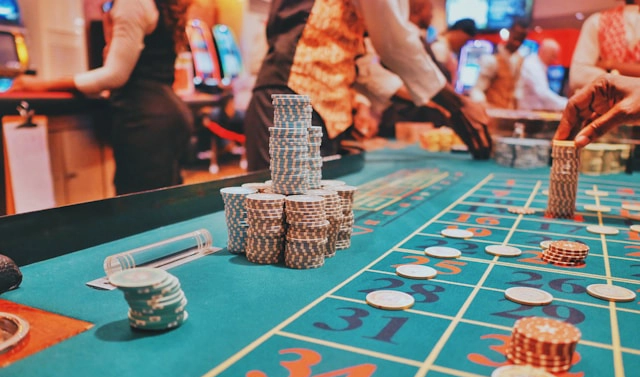
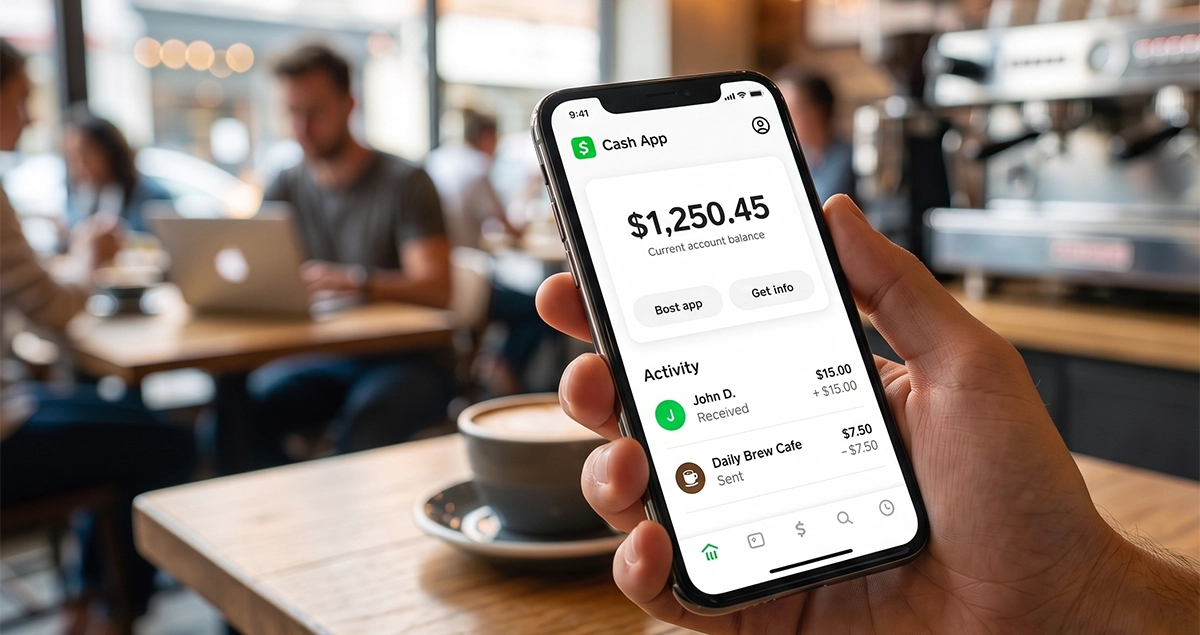
Utah residents who bet on Kalshi’s sports, election and other event contracts are at the center of a lawsuit Utah Attorney General Derek Brown filed against Kalshi and two Susquehanna trading firms in October 2026, alleging the prediction market is illegal gambling and a public nuisance. It is a state enforcement action, not a class action, and there is no settlement, fund or claim form for Kalshi users.


Allegations Only · No Settlement Yet
This article describes a government enforcement complaint. The statements attributed to Utah below are unproven allegations. Kalshi disputes the state’s authority over it, none of the defendants has been found liable, and no court has decided the merits of this case. There is no class, no settlement and nothing to claim. This page is informational and is not legal advice.
What Utah Filed
Utah Attorney General Derek Brown sued the prediction market Kalshi on October 20, 2026, in the Third Judicial District Court in and for Salt Lake County. The verified complaint, brought on behalf of the State of Utah and the people of the state, alleges that Kalshi’s sports, election, politics, culture and “mentions” contracts are gambling bets that Utah’s constitution and criminal code prohibit, and that offering them to Utahns is a public nuisance.The case names seven companies: Kalshi Inc.; KalshiEX LLC, which operates the exchange; Kalshi Klear Inc. and Kalshi Klear LLC, which the complaint describes as the clearing and payout arm; Kalshi Trading LLC; and two Pennsylvania-based trading firms, Susquehanna International Group, LLP and Susquehanna Government Products LLLP. The complaint also lists 100 unnamed “Doe” defendants and demands a jury trial.
“Kalshi runs an online casino in Utah and calls it a prediction market. That violates Utah law,” Brown said in the office’s announcement. “For 130 years, Utah has been clear: gambling has no place here, and we will enforce our laws.”
Free settlement alerts
Get notified when new class actions open to claims
Join thousands of readers who get the latest class action settlements you may qualify for — delivered straight to your inbox.
The Public Nuisance Declaration Behind the Suit
The lawsuit rests on a determination Brown made the same day. Utah Code § 78B-6a-102(2) allows the attorney general to bring a common-law public nuisance claim when the attorney general determines there is “a substantial ongoing harm to a significant number of the citizens of Utah.” In a Declaration of Public Nuisance dated October 20, 2026, Brown made that finding about gambling in general, writing that it “grabs Utahns instantly through phones and online platforms” and that “Anyone offering gambling to Utahns is on notice that it is illegal in Utah.”The declaration does not name Kalshi, though it cites “one platform” that reported more than 30,000 Utah account holders as of February 2026. The complaint, which does name Kalshi, relies on the declaration for its first count and argues that because the alleged conduct breaks state gambling statutes, it is a nuisance per se under Utah law — one that, in the state’s reading, does not require a separate showing that the conduct was unreasonable. The complaint argues in the alternative that the conduct is a nuisance either way, because of its alleged effect on public health, safety and welfare.
What the Complaint Alleges
The state’s core claim is that Kalshi functions as a sportsbook. According to the complaint, Kalshi writes the contracts, its affiliated clearinghouse settles them and pays out, and affiliated and approved “market makers” take the other side of retail bets — what the filing calls “a closed-loop wagering system, where it creates the games, handles the bets, and pays out the winners.” Elsewhere it compares KalshiEX’s role to that of “the manager of a back-alley gambling den (or cardroom).”Among the specific allegations:
- Kalshi began offering these bets to Utah residents by at least September 2024 and kept offering them after the federal court ruled in August 2026 that Utah’s gambling laws apply to it.
- Kalshi promoted its platform with taglines including “The First Nationwide Legal Sports Betting Platform” and “Sports Betting Legal in All 50 States on Kalshi,” even though, the state says, the company knew these bets are illegal under Utah law.
- A Kalshi executive’s February 25, 2026 declaration in the federal case reported 55,819 accounts registered with a Utah address, 32,940 of them fully signed up, and more than five million open wagers from Utah-based accounts.
- Kalshi earned between $30,591,600 and $61,183,200 in fees from Utah accounts as of October 2026 — a figure the complaint describes as an estimate built from public trading data.
- If Utah bettors lost money in proportion to Kalshi’s retail users nationally, the Kalshi entities received at least $5.5 million in profits from Utah residents’ losing bets as of May 2026, again by the state’s estimate.
- Susquehanna International Group and Susquehanna Government Products participate as market makers, and the state alleges they profit from the same Utah wagers.
None of these allegations has been tested in court, and the dollar figures are the state’s own projections rather than numbers Kalshi has disclosed or a court has found.
The Five Claims
The complaint pleads five counts:- Public nuisance, against all defendants, based on alleged violations of Utah’s gambling statutes and its election-betting prohibition.
- Unjust enrichment, against the five Kalshi companies and both Susquehanna firms.
- Civil conspiracy and aiding and abetting, against all defendants, alleging they agreed to profit from gambling in every state regardless of its legality there.
- Declaratory judgment that the contracts are illegal in Utah.
- Injunctive relief barring the contracts in the state.
What Utah Wants the Court to Order
The prayer for relief asks the court to declare the contracts illegal in Utah and to enter preliminary and permanent injunctions barring the defendants from offering sports, election and politics, culture and mentions contracts in the state. To enforce that, the complaint asks the court to require Kalshi to use a third-party geolocation provider that the court approves.On the money side, the state asks for restitution and damages in an amount to be determined at trial “to compensate the State and those within the State for losses suffered,” an equitable accounting and disgorgement of amounts the defendants received from Utah, an order to abate the nuisance and reimburse the state’s abatement costs, punitive damages, and investigative and attorney fees. Reporting by the Salt Lake Tribune quoted Brown as saying the office had no plan yet for how any recovered money would be used.
Kalshi’s Position
Kalshi describes itself as a federally regulated financial exchange, overseen by the Commodity Futures Trading Commission, and argues that individual states cannot regulate it. “Kalshi answers to federal law, and no single state should have a veto over it,” the company said in a statement reported by KUER and other Utah outlets, adding that the state action does not affect its ongoing federal litigation. As of publication, Kalshi had not filed a response to the complaint, and the Susquehanna firms had not publicly commented.The Federal Case Kalshi Brought — and Lost at the District Court
The state suit is the second round of the fight. In February 2026, KalshiEX sued Governor Spencer Cox and Attorney General Brown in the U.S. District Court for the District of Utah (KalshiEX LLC v. Cox, No. 2:26-cv-00151-RJS), arguing that the federal Commodity Exchange Act preempts Utah’s gambling laws as applied to a federally registered exchange.On August 4, 2026, U.S. District Judge Robert J. Shelby granted Utah summary judgment, holding that federal commodities law does not override Utah’s power to ban gambling. Kalshi appealed to the U.S. Court of Appeals for the Tenth Circuit, which on September 8, 2026 denied Kalshi’s request to block enforcement of Utah’s laws while the appeal proceeds. That appeal remains pending. Utah is one of several states — including Connecticut, which sued Kalshi in August — now pursuing its own enforcement case against the company.
Is There Anything for Kalshi Users to Claim?
No. The attorney general brings the case for the state and, as parens patriae, on behalf of Utah residents; individual users are not parties and there is no class. There is no settlement, no fund, no claim form and no deadline. The complaint asks for restitution “to compensate the State and those within the State,” but how any recovery would be distributed, if the state wins or settles, has not been set.Separately, private plaintiffs have filed proposed class actions against Kalshi in other states, several of them seeking to recover users’ gambling losses under state loss-recovery statutes. Those include a proposed Oregon class action (Reynolds v. Kalshi Inc., D. Or.) and a proposed Kentucky class action (Roberts v. Kalshi, Inc., W.D. Ky.), both of which also name the Susquehanna firms, and a privacy class action over tracking on Kalshi’s website. No class has been certified in any of them, and none has a settlement.
What Happens Next
The defendants will be served and given time to respond to the complaint. A case number and assigned judge had not been publicly reported as of October 21, 2026. Because the state is asking for a preliminary injunction, an early hearing on whether to shut off the contracts in Utah before trial is possible. The Tenth Circuit’s decision in Kalshi’s federal appeal could also shape the state case, since both turn on whether federal law leaves room for Utah’s gambling ban.Frequently Asked Questions
Is the Utah lawsuit against Kalshi a class action?
No. The Utah Attorney General filed it on behalf of the State of Utah and, as parens patriae, on behalf of Utah residents. No class has been proposed or certified, no settlement exists, and there is no claim form or deadline for Kalshi users.
What does it mean that Utah declared gambling a public nuisance?
Utah Code § 78B-6a-102(2) lets the attorney general bring a public nuisance lawsuit when the attorney general determines there is a substantial ongoing harm to a significant number of Utah citizens. Attorney General Derek Brown signed a Declaration of Public Nuisance dated October 20, 2026, making that determination about gambling, and the Kalshi complaint relies on it. Whether Kalshi’s activity actually is a public nuisance is for the court to decide.
How much money is Utah seeking from Kalshi?
The complaint does not demand a fixed sum. It asks for restitution and damages to be set at trial, disgorgement of what the defendants received from Utah, abatement costs, punitive damages and fees. It estimates that Kalshi earned $30,591,600 to $61,183,200 in fees from Utah accounts and at least $5.5 million in profits from Utah residents’ losing bets; both figures are the state’s estimates from public data, not findings.
Why are Susquehanna firms named in the Utah lawsuit?
Utah alleges that Susquehanna International Group, LLP and Susquehanna Government Products LLLP act as market makers on Kalshi, taking the other side of bets placed by retail users, including Utah residents. The complaint names them in its unjust enrichment and civil conspiracy counts. The allegations are unproven and the firms have not been found liable.
Has a court already ruled on whether Utah’s gambling laws apply to Kalshi?
In Kalshi’s own federal lawsuit, KalshiEX LLC v. Cox, U.S. District Judge Robert J. Shelby granted Utah summary judgment on August 4, 2026, holding that the federal Commodity Exchange Act does not override Utah’s gambling laws. Kalshi appealed, and the Tenth Circuit denied its request to block enforcement while the appeal is pending on September 8, 2026. The appeal has not been decided, and the new state case has its own merits still to be resolved.
Sources
• Utah Office of the Attorney General — Utah Sues Kalshi, Alleging Its Prediction Market Is Gambling (October 2026)• Utah Office of the Attorney General — Declaration of Public Nuisance: Establishing Gambling as a Public Nuisance Causing Substantial Ongoing Harm (October 20, 2026)
• Verified Complaint and Jury Demand, Brown v. Kalshi Inc., Utah Third Judicial District Court, Salt Lake County — complaint (PDF, copy published by Yogonet) (filed October 20, 2026)
• Utah Office of the Attorney General — Utah Defeats Kalshi in Federal Court: State Can Enforce Its Anti-Gambling Laws (August 4, 2026)
• U.S. Court of Appeals for the Tenth Circuit — Order denying Kalshi’s motion for an injunction pending appeal (via CourtListener; September 8, 2026)
• The Salt Lake Tribune — Utah sues Kalshi for ‘brazen pattern of unlawful conduct’ (October 20, 2026)
• KSL.com — Utah attorney general sues “prediction market” Kalshi over alleged illegal gambling (October 2026)
• KUER — Utah sues prediction market site Kalshi over ‘illegal wagers’ (October 20, 2026)
• KUTV — Utah Attorney General declares online gambling public nuisance in lawsuit against Kalshi (October 20, 2026)