Published
October 27, 2026
A 2017 review cited by the World Health Organization found that about one in six people 60 and older living at home are abused each year. Inside nursing homes and similar facilities, two in three staff admitted to mistreating residents, according to a 2019 meta-analysis.

How Georgia Law Defines Elder Abuse
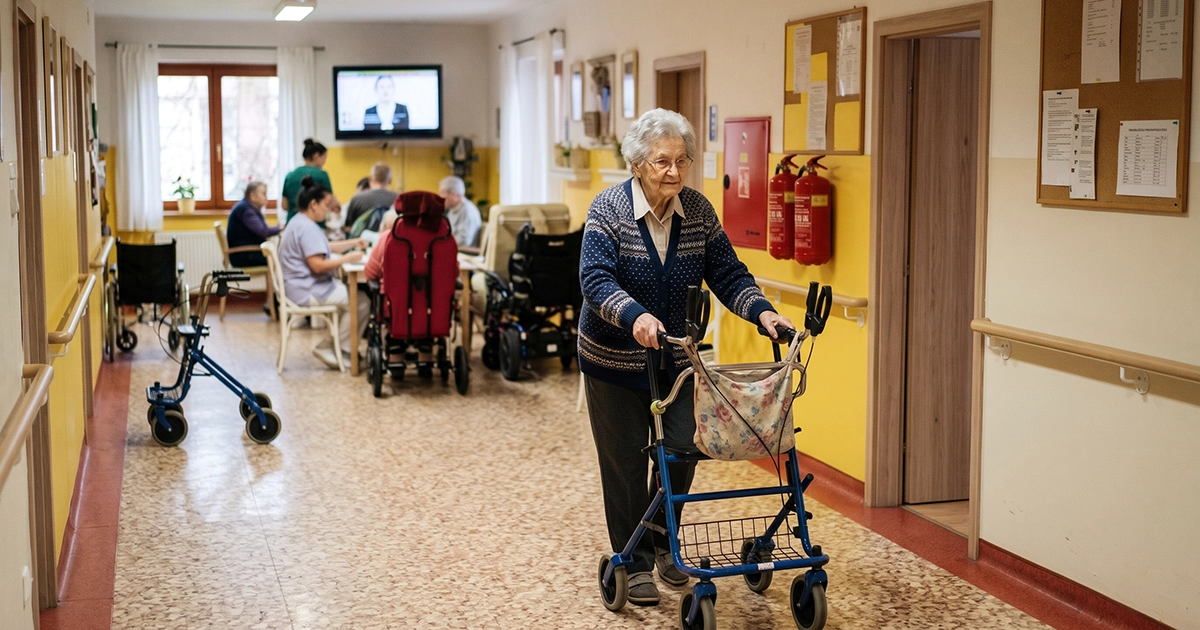
For people in nursing homes, personal care homes or assisted living, Georgia law counts as abuse any act or omission, intentional or grossly negligent, that injures them, including not providing treatment or care (O.C.G.A. § 31-8-81). When bedsores or a fracture could trace back to that kind of neglect, an Atlanta nursing home abuse attorney usually starts with the medical chart and staffing schedules, which show whether the facility was short-staffed.Seniors 65 and older living at home fall under the law that governs Adult Protective Services (O.C.G.A. § 30-5-3). It covers only willful acts: inflicting physical pain or injury, sexual abuse, unreasonable confinement, mental anguish, or depriving someone of essential services. Neglect is defined separately, as missing care that harms a person’s health. Financial exploitation is covered too, but that’s another topic.
Physical and Sexual Abuse
Bruises, rope marks, broken bones and injuries at different stages of healing top the U.S. Justice Department’s list of red flags, along with signs of too much or too little medication. Federal rules bar chemical restraints in nursing homes, meaning sedation with no medical need behind it (42 CFR § 483.12).The family of 76-year-old John D. Owens Jr. claimed that PruittHealth-Fitzgerald sedated him with morphine, lorazepam and hydrocodone no doctor had prescribed, while two nurses looked after 46 residents overnight. In August 2026, a Gwinnett County jury awarded the family $23.6 million. PruittHealth denied the allegations and plans to appeal.
Sexual abuse covers any sexual contact without consent, including with someone too impaired by dementia to agree to it. The Justice Department’s list adds bruising around the breasts or genitals, unexplained infections or bleeding, and fear when one particular person is near.
Emotional Abuse and Isolation
Emotional abuse, in the National Institute on Aging’s description, covers yelling, threats, hurtful words, repeatedly ignoring an older adult and cutting them off from friends and family. None of that leaves a mark, so watch behavior instead: withdrawal or irritability, rocking back and forth, constant apologizing.In a facility, be wary if staff keep finding reasons you can’t be alone with your relative. Since July 2024, residents of Georgia long-term care facilities can name an essential caregiver, whom the facility must admit, subject to its safety rules (O.C.G.A. § 31-7-431).
Neglect and Abandonment
Neglect usually shows up in everyday details you’ll notice on a visit:- Bedsores
- Dehydration or unexplained weight loss
- Soiled bedding and the smell of urine
- Missing glasses, hearing aids, dentures or a walker
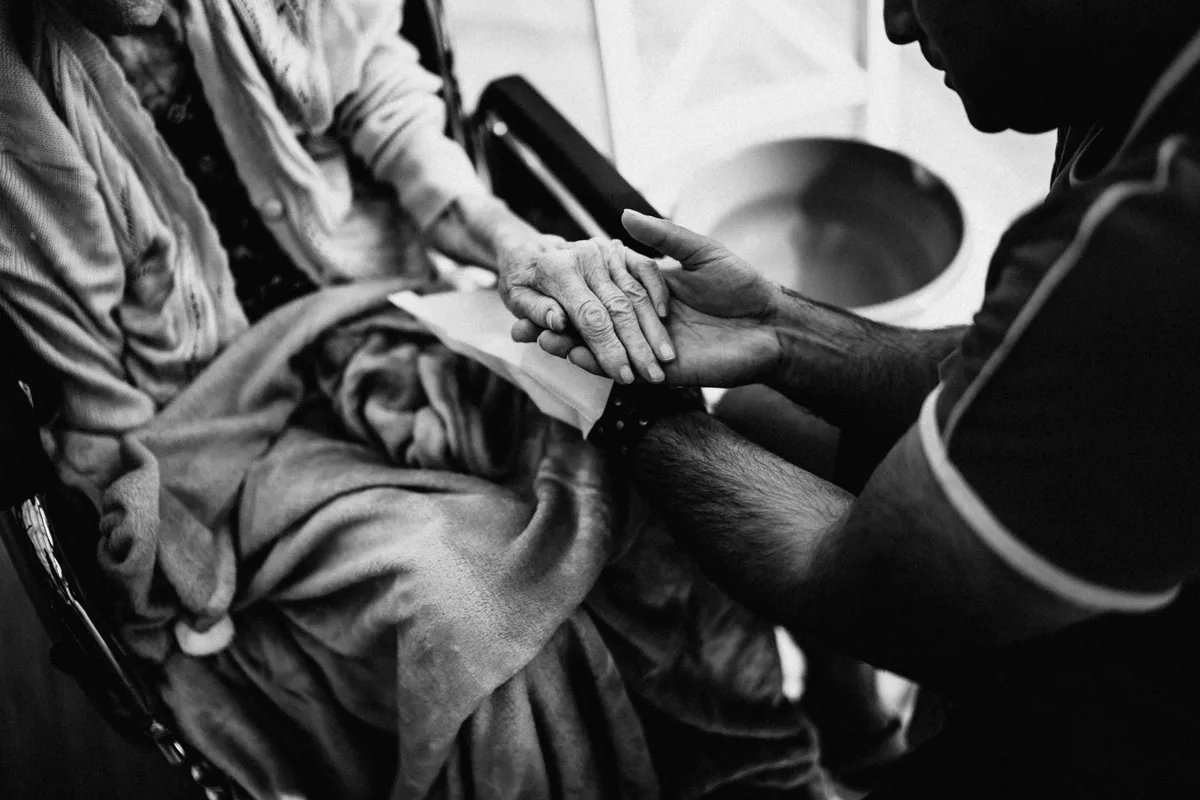
Abandonment means a relative or paid caregiver deserts a dependent older person, sometimes at a hospital or nursing home. Georgia has no separate statute for it, so these cases usually fall under neglect.
Reporting Abuse in Georgia
Call 911 in an emergency. Complaints about long-term care facilities go to the Department of Community Health, whose Healthcare Facility Regulation office takes calls at 1-800-878-6442. For seniors at home, reach Adult Protective Services at 1-866-55-AGING and press 3.Facility staff who suspect abuse must alert the same agency and the police right away, then follow up in writing within 24 hours (O.C.G.A. § 31-8-82). Dated photos and notes on each complaint will help investigators and, if needed, a court.
Free settlement alerts
Get notified when new class actions open to claims
Join thousands of readers who get the latest class action settlements you may qualify for — delivered straight to your inbox.
Sources
• World Health Organization, Abuse of older people (fact sheet)• U.S. Department of Justice, Elder Justice Initiative: Red Flags of Elder Abuse
• National Institute on Aging, Elder Abuse
• 42 CFR § 483.12, Freedom from abuse, neglect, and exploitation
• Official Code of Georgia Annotated §§ 30-5-3, 31-7-431, 31-8-81 and 31-8-82
• CMS Nursing Home Provider Information, September 2026 data
• Atlanta Journal-Constitution, Family awarded $23M in Georgia nursing home death case
About This Page
OpenClassActions.com is a consumer news and information site, not a law firm. This article is general information about elder abuse and how Georgia law addresses it. It is not legal advice, and reading it does not create an attorney-client relationship.
For more class actions keep scrolling below.