Published
September 3, 2026
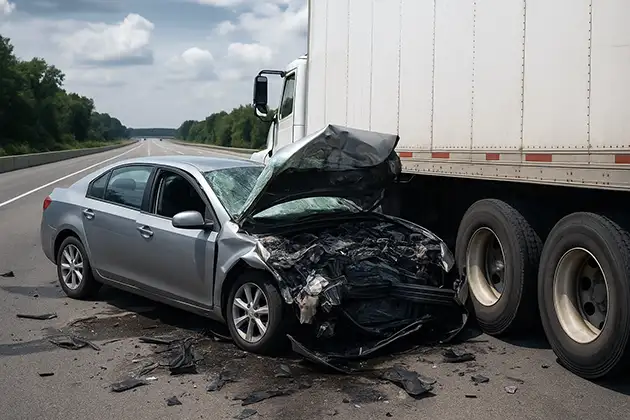

A motor vehicle may be restored to its proper condition, but its value is still lower than its post-crash value. This value is called diminished value, which is the drop in the price of the car based on its accident history. An accident can influence how much buyers are willing to pay.
A diminished value claim may allow a vehicle owner to seek compensation for that loss, but the rules vary by state and insurance policy. The process of filing a diminished value claim may involve documenting the vehicle's pre-accident value, repair history, current condition, and post-accident market value.
Let's examine how to file a diminished value claim, what evidence supports it, and when insurers may cover the loss in value.
The Claim Goes to the Other Driver's Insurer
This step is where most people make their first mistake. A diminished value claim is usually a third-party claim, which means that it is going to be paid by the insurance company of the driver responsible for causing the accident. Collision coverage will only pay to fix the car but will not pay for other expenses not covered by the policy.What Courts Measure
Ohio provides a clear example since its rule about diminished value claims has been in place for decades. Under Falter v. Toledo, decided by the Ohio Supreme Court in 1959, the measure of damage to a vehicle is the difference between its market value immediately before the collision and then after. The reasonable cost of repairs stands in for that figure when repairs cost less than the drop in value.Ohio appellate courts have held that an owner who proves the repaired car is worth less than the pre-accident car may recover the repair cost plus the residual diminution. This recovery situation is possible only when the two do not exceed the gross drop in market value.
Hyden v. Anderson is a 2024 appellate decision that tightened the proof requirement. The court now demands evidence of the car's value immediately after the crash rather than just before and after repairs.
A diminished value claim would be effective if the claimant does not rely on a single valuation. The claimant will have an obligation to provide evidence of the value of the vehicle immediately before the accident, right after the accident and once repairs have been done. In establishing the amount of any recoverable diminished value, an accurate estimate of each value is beneficial for one’s claim.
Free settlement alerts
Get notified when new class actions open to claims
Join thousands of readers who get the latest class action settlements you may qualify for — delivered straight to your inbox.
The Deadline Is Longer Than People Assume
In Ohio, property damage and bodily injury share the same two-year deadline. Revised Code section 2305.10 gives two years for both, measured from the date of the accident. That means a diminished value claim shares its deadline with any injury claim from the same crash, so it can't be pursued as an afterthought once the injury side is settled.Ohio also lets small claims court handle disputes up to $6,000, which covers a substantial share of these claims outright and without counsel.
Which court and which carrier depends entirely on where the crash happened. An Independence car accident lawyer can guide clients regarding the insurance claims process, filing requirements, and available remedies. The expertise of these legal professionals allows a diminished value claim to be properly presented and pursued.
The Formula the Adjuster Will Reach For
Insurers rarely negotiate a diminished value figure from scratch. Insurance companies often rely on the 17c method, which starts from a base value and then applies caps and reducers keyed to damage severity and mileage.The formula is not mandated anywhere. It is an internal convention, and its output is frequently a fraction of what the market actually took off the car. An older vehicle with high mileage can come out at a few hundred dollars under 17c, while the dealer's trade offer moved by several thousand. Both numbers describe the same car. Only one of them came from a buyer.
What You Need to Assemble
An independent appraisal is the document that changes the conversation. It produces the required market figures rather than the ones the insurer's formula generates. Repair invoices show what was structurally involved. Meanwhile, structural repair moves value far more than cosmetic work.Get the vehicle history report showing the reported accident, since that report is the actual mechanism of the loss. Nothing about the car changed. What changed is that every future buyer can see the vehicle’s record. Compare the vehicle’s value with similar cars of the same year, trim, and mileage and those that have no accident history to estimate the loss in value.
The claim is worth filing on a newer or higher-value car and often not worth the appraisal fee on an older one. Estimate the possible damage first, as the level of depreciation can help decide whether the claim is worth pursuing.
Sources
• National Highway Traffic Safety Administration, annual reported motor vehicle traffic crash counts• Falter v. Toledo, Ohio Supreme Court (1959) — measure of damage to a motor vehicle
• Hyden v. Anderson, Ohio appellate decision (2024) — proof of value immediately after the collision
• Ohio Revised Code § 2305.10 — two-year limitations period for bodily injury and injury to personal property
• Ohio Revised Code § 1925.02 — small claims division jurisdictional limit
About This Page
OpenClassActions.com is a consumer news and information site and is not a law firm, an insurance carrier, or an appraiser. This page is general information, not legal advice, and diminished value rules, deadlines, and available remedies vary by state and by insurance policy. Anyone deciding whether to pursue a claim should confirm the rules that apply where the crash happened.
For more class actions keep scrolling below.