People on the National Do Not Call Registry who received more than one telemarketing text from American Independence Gold within a year, and Washington residents who got its promotional texts, may be covered by a proposed class action alleging the precious-metals seller violated federal and Washington law. No class has been certified and there is nothing to file yet.

Allegations Only · No Settlement Yet
This article describes a class action complaint. The statements below are unproven allegations. American Independence Gold has not been found liable, there is no certified class, and nothing to claim at this time. This page is informational and is not legal advice.
What Is This About?
A proposed class action filed November 10, 2026 alleges that Epicc Investments Inc., which does business as American Independence Gold, sent telemarketing text messages to a cell phone number listed on the National Do Not Call Registry without the owner’s consent. The West Palm Beach, Florida company sells physical gold and silver, gold IRAs and other precious-metals investment products, according to the complaint. The case, Hoffman v. Epicc Investments Inc., No. 3:26-cv-06367, is in the U.S. District Court for the Western District of Washington and is assigned to U.S. Magistrate Judge S. Kate Vaughan.The plaintiff, a Washington resident, says the number is used for residential purposes and had been on the Registry for more than 31 days before the texts arrived, and that he never bought from, dealt with or contacted the company. The complaint counts at least 13 texts: three in May and June 2024 and ten between June 11 and August 18, 2026. American Independence Gold was served on November 13, 2026 and had not responded on the docket as of November 22, 2026.
Free settlement alerts
Get notified when new class actions open to claims
Join thousands of readers who get the latest class action settlements you may qualify for — delivered straight to your inbox.
What the Texts Said, According to the Complaint
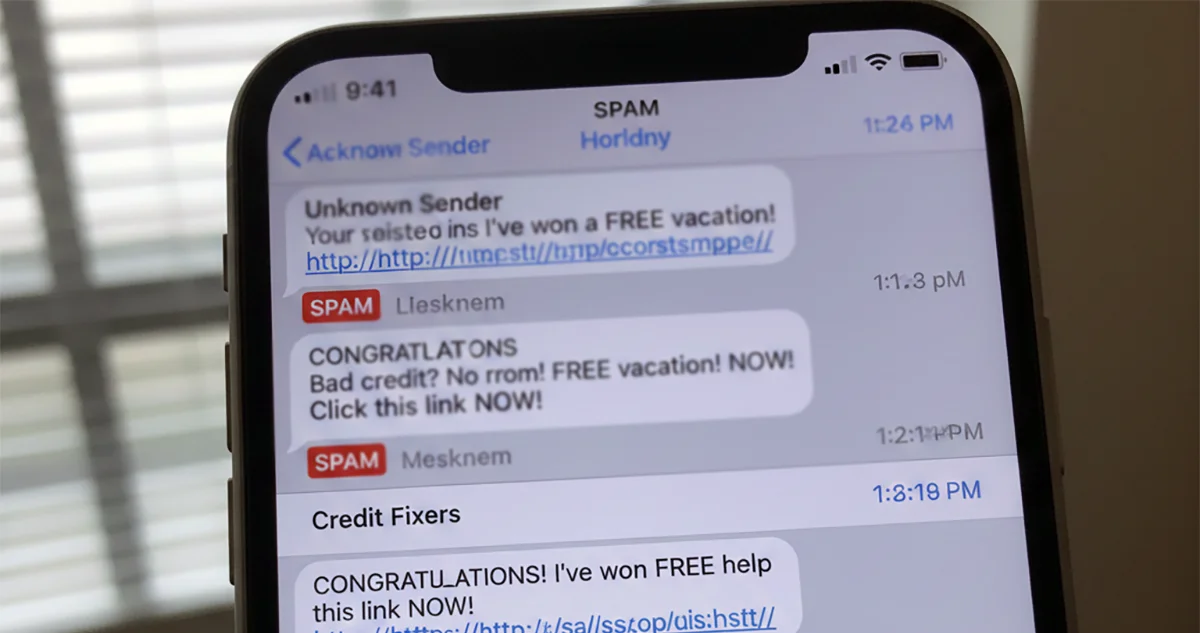
The complaint describes the messages as political and economic “Red Alert” warnings that invited the reader to call for a free “Red Alert Report.” Many of the 2026 texts invoked the name of MyPillow founder Mike Lindell, whom the complaint says the company’s website quotes endorsing American Independence Gold. Lindell is not a defendant, and the complaint does not accuse him of sending the texts or of any wrongdoing.One of the texts stated that the recipient had agreed to receive messages from American Independence Gold. The plaintiff says he never gave that consent.
Why the Complaint Calls Them Sales Texts
The Do Not Call rules cover telephone solicitations, so the complaint focuses on where the texts led. It says the Red Alert Report webpage works as a marketing funnel for the company’s gold and silver IRA products, with a prompt asking whether the visitor’s portfolio is “crisis proof,” a “Next Steps” section about opening an account and an offer of a free investment guide. On that basis, the plaintiff argues the messages were telemarketing despite their political framing.The complaint also says the plaintiff asked for the company’s do-not-call policy. According to the complaint, the written policy the company sent lists its internal do-not-call list, state do-not-call lists and the FCC’s Reassigned Numbers Database, but does not name the National Do Not Call Registry as a list it checks numbers against. The policy says third parties texting on the company’s behalf must follow it. These are allegations; the court has not decided whether any of them are true.
The Federal and Washington Laws Involved
The Telephone Consumer Protection Act and the FCC’s rules at 47 C.F.R. § 64.1200(c)(2) bar telephone solicitations to residential numbers listed on the National Do Not Call Registry, and the complaint treats each text as such a solicitation. A person who receives more than one solicitation in violation of that rule within 12 months can sue under 47 U.S.C. § 227(c)(5) for up to $500 per violation, and a court may increase that to up to $1,500 if it finds the violation willful or knowing.Washington’s Commercial Electronic Mail Act, RCW 19.190.060, restricts commercial text messages sent to cell phone and pager numbers of Washington residents, and a violation is treated as an unfair or deceptive practice under the state Consumer Protection Act, RCW 19.86. The complaint seeks $500 per violation under RCW 19.190.040; the version of that section posted by the Washington Legislature, as amended in 2026, sets damages at $100 per message or actual damages, whichever is greater.
Who Could Be Covered?
The complaint proposes two classes, each running from four years before the November 10, 2026 filing through trial:- National Do Not Call class: people in the United States whose numbers had been on the National Do Not Call Registry for at least 31 days and who received more than one telemarketing text or call from or on behalf of American Independence Gold within a 12-month period, promoting its goods or services.
- Washington class: people in Washington whose cell phone or pager numbers received a text from or on behalf of American Independence Gold promoting its goods or services.
A court has not certified either class.
What Is the Plaintiff Asking For?
The lawsuit seeks class certification, statutory damages under the TCPA and the Washington law, an injunction barring the company from calling or texting numbers on the Do Not Call Registry, attorneys’ fees and a jury trial. The plaintiff is represented by Michael Brubaker of Brubaker Law Group PLLC, with attorney Anthony Paronich admitted to appear in the case.What Happens Next?
Under the federal rules, a defendant generally has 21 days after service to answer or move to dismiss, unless the court extends the deadline. American Independence Gold may contest the claims, including the argument that the texts were telephone solicitations. The plaintiff would later have to ask the court to certify the classes. If the case settles or the plaintiff wins after certification, class members would be notified, and OpenClassActions.com will cover it.Questions
Who would be covered by the American Independence Gold class action?
The complaint proposes two classes for the period from four years before the November 10, 2026 filing through trial: a nationwide class of people whose numbers had been on the National Do Not Call Registry for at least 31 days and who received more than one telemarketing text or call from or on behalf of American Independence Gold within 12 months, and a class of Washington residents whose cell phone or pager numbers received a text from or on behalf of the company promoting its goods or services. No class has been certified.
Is Mike Lindell a defendant in the American Independence Gold lawsuit?
No. The only defendant is Epicc Investments Inc., which does business as American Independence Gold. The complaint says many of the texts invoked the name of MyPillow founder Mike Lindell and that the company's website quotes him endorsing it, but it does not accuse Lindell of sending the texts or of any wrongdoing.
Why does the complaint treat the ‘Red Alert’ texts as telemarketing?
The texts were framed as political and economic warnings, but the complaint says they promoted a free ‘Red Alert Report’ whose webpage works as a marketing funnel for the company's gold and silver retirement account products, with prompts to open an account and request an investment guide. On that basis, the plaintiff argues the texts were telephone solicitations covered by the Do Not Call rules. The court has not ruled on that argument.
Is there an American Independence Gold settlement or claim form?
No. The lawsuit was filed on November 10, 2026 and the company was served on November 13, 2026. There is no settlement, certified class or claim form, and as of November 22, 2026 American Independence Gold had not responded on the court docket.
Sources
• Docket and complaint, Hoffman v. Epicc Investments Inc., No. 3:26-cv-06367 (W.D. Wash., filed November 10, 2026), via CourtListener• 47 U.S.C. § 227, Telephone Consumer Protection Act (Cornell Legal Information Institute)
• 47 C.F.R. § 64.1200, FCC telemarketing and do-not-call rules (eCFR)
• RCW 19.190, Washington Commercial Electronic Mail Act (Washington State Legislature)