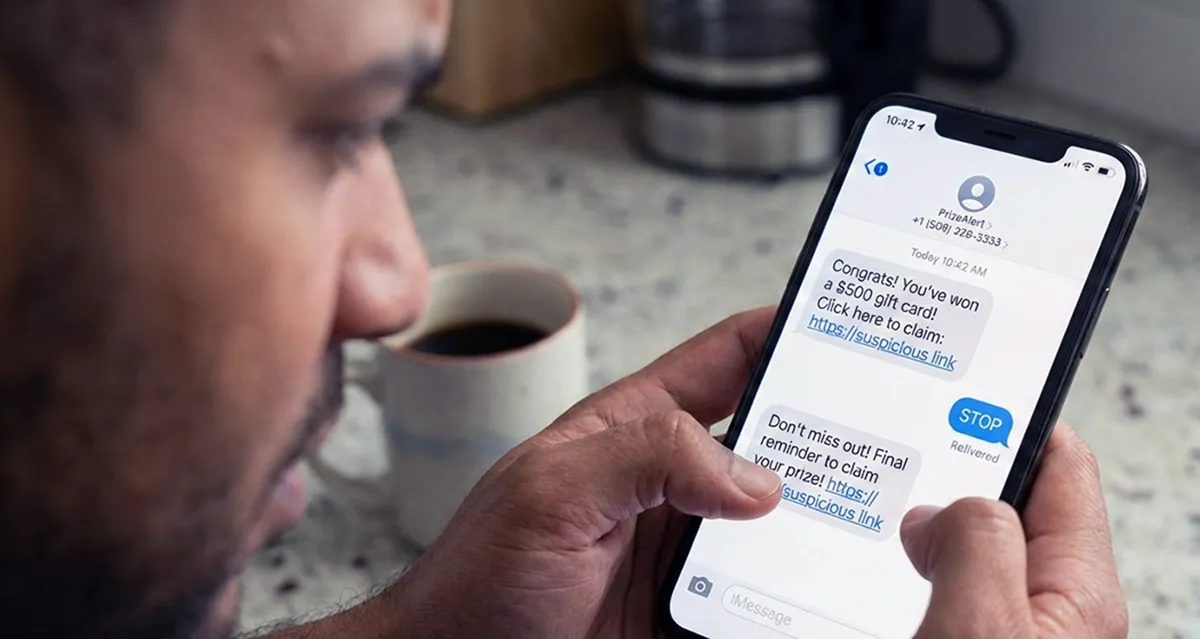
People on the National Do Not Call Registry who got repeated marketing texts from Convo GPT may be covered by a proposed class action alleging Convo GPT, LLC texted lead-generation ads without usable caller ID and outside permitted hours. No class has been certified and there is nothing to file yet.


Allegations Only · No Settlement Yet
This article describes a class action complaint. The statements below are unproven allegations. Convo GPT, LLC has not been found liable, there is no certified class, and nothing to claim at this time. This page is informational. It is not legal advice.
What Is This About?
A resident of California’s Eastern District filed a proposed class action on October 21, 2026 against Convo GPT, LLC, a Charleston, South Carolina company, in the U.S. District Court for the Eastern District of California. The case, Aussieker v. Convo GPT, LLC, carries the temporary number 2:26-at-01925, which the court assigns before a new case is formally opened; it will receive a permanent civil case number. The complaint claims violations of the Telephone Consumer Protection Act (TCPA).The complaint says the plaintiff’s cell number has been on the National Do Not Call Registry since 2003 and is used only for personal purposes. It alleges the plaintiff received at least seven marketing texts from Convo GPT between September 3 and September 17, 2026, without ever giving consent or his number. Convo GPT has not responded in court, and the claims are unproven.
Free settlement alerts
Get notified when new class actions open to claims
Join thousands of readers who get the latest class action settlements you may qualify for — delivered straight to your inbox.
What the Complaint Alleges
According to the complaint, the texts identified the sender as “ConvoGPT Sales Team- Heather” and later as “Instant Lead-Heather,” directed the recipient to links on apps.convogpt.ai, and advertised “ISO leads,” “live submissions” and other lead-generation products. The last message, on September 17, 2026, read “$75K+ REVENUE” and allegedly arrived at 7:11 a.m., before the 8 a.m. start of the hours the TCPA rules allow for telephone solicitations.The complaint also takes aim at caller identification. It alleges the sending number showed a caller name of “null,” that the texts named no one beyond the first name “Heather” and a brand name, and that neither the sending number nor any alternate number let a recipient make a do-not-call request during regular business hours, as federal caller ID rules require for telemarketers.
ConvoGPT’s website, convogpt.ai, describes the business as an “Automated AI Employee Platform” that makes and receives calls, sends texts and qualifies sales leads. The complaint does not say how the plaintiff’s number came to be texted, and it alleges the texts were sent using technology capable of sending thousands of messages a day.
Who Would Be in the Proposed Classes
The complaint asks to represent three nationwide classes, each reaching back four years before the filing date:- National Do Not Call Class: people whose numbers had been on the Do Not Call Registry for at least 31 days and who got more than one telemarketing call or text from or for Convo GPT in a 12-month period.
- Telemarketing Caller ID Class: people who got two or more telemarketing calls or texts in 12 months that sent no caller ID number, or a number that could not be used to make a do-not-call request during regular business hours.
- Quiet Hours Class: people called before 8 a.m. or after 9 p.m. local time within a 12-month period. As drafted, this definition refers to calls “promoting insurance goods or services,” which does not match the lead-generation texts described elsewhere in the complaint; the wording may be revised.
Similar Text Message Lawsuits
Do Not Call and opt-out text cases are among the most common TCPA filings this year. Recent complaints against Rent-A-Center, WSS, Redbubble and Big 5 Sporting Goods make related claims. Unlike those retail cases, the Convo GPT complaint targets business-to-business marketing: texts selling sales leads, sent to a personal cell phone.What Happens Next
The case first needs a permanent case number and an assigned judge. Convo GPT will then respond to the complaint, often with a motion to dismiss or a motion to compel arbitration. Many TCPA cases settle; a settlement would need court approval and would come with its own notice and claim process. OCA will update this page as the case moves.Questions
Who would be included in the Convo GPT text message lawsuit?
The complaint proposes three nationwide classes covering the four years before filing: people on the National Do Not Call Registry who got more than one Convo GPT marketing call or text in a 12-month period; people who got two or more telemarketing calls or texts in 12 months that lacked caller ID allowing a do-not-call request; and people called before 8 a.m. or after 9 p.m. local time. No court has certified any class.
What did the Convo GPT texts say, according to the lawsuit?
The complaint says the texts were signed “ConvoGPT Sales Team- Heather” and later “Instant Lead-Heather,” linked to pages at apps.convogpt.ai, and advertised “ISO leads,” “live submissions” and other lead-generation products. It says the last text, on September 17, 2026, read “$75K+ REVENUE” and arrived at 7:11 a.m.
Is there a Convo GPT settlement or anything to claim?
No. The case was filed October 21, 2026 and is at the complaint stage. Convo GPT has not responded in court, no class has been certified, and there is no settlement or claim form.
Why does the Convo GPT case number start with “at”?
No. 2:26-at-01925 is a temporary number the Eastern District of California gives a new filing before it is formally opened and assigned to a judge. The case will get a permanent civil case number, and OCA will update this page when it does.
Sources
• Class Action Complaint, Aussieker v. Convo GPT, LLC, No. 2:26-at-01925 (E.D. Cal., filed October 21, 2026): complaint (PDF) and docket, via CourtListener• ConvoGPT — company website (accessed October 22, 2026)