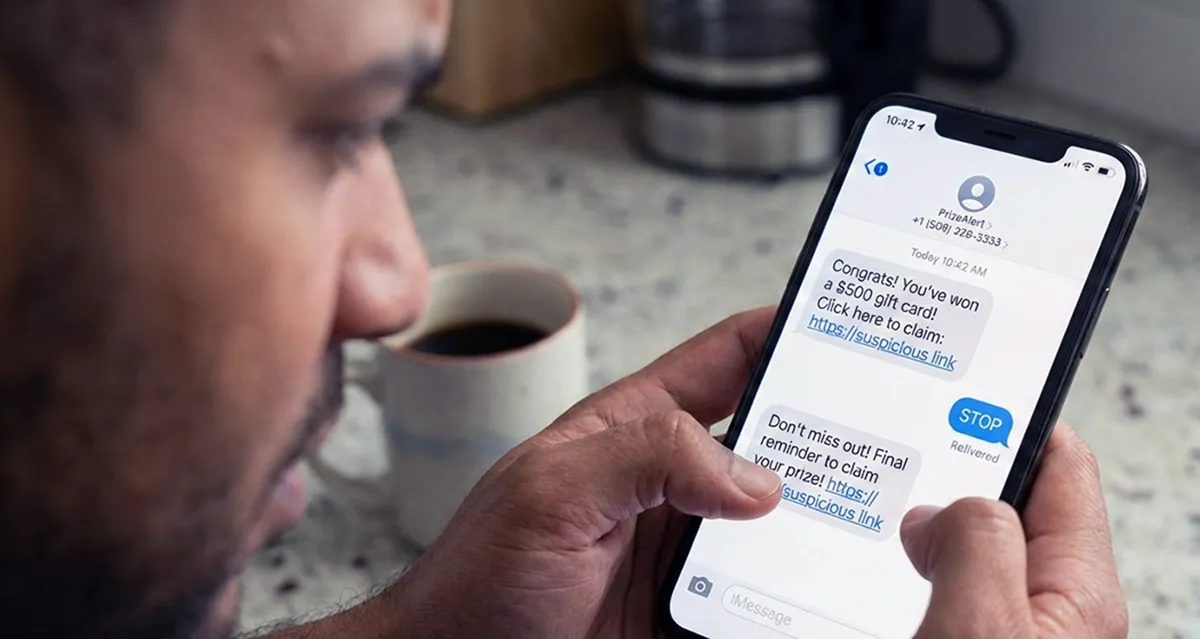
People who got WSS marketing texts before 8 a.m. or after 9 p.m., or while their cell number was on the National Do Not Call Registry, may be covered by a proposed class action alleging Eurostar, Inc., which does business as WSS, sent those texts in violation of the Telephone Consumer Protection Act. No class has been certified and there is nothing to file yet.

Allegations Only · No Settlement Yet
This article describes a class action complaint. The statements below are unproven allegations. Eurostar, Inc. has not been found liable, there is no certified class, and there is nothing to claim at this time. This page is informational and is not legal advice.
What Is This About?
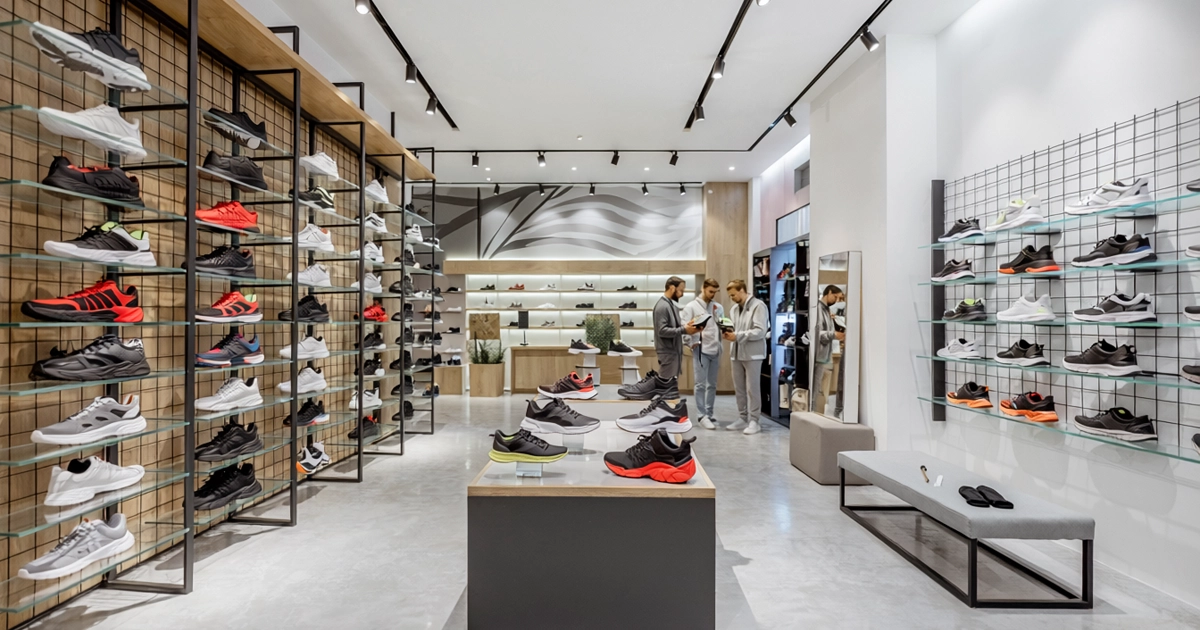
Eurostar, Inc., the California corporation that does business as the footwear chain WSS, was sued on October 19, 2026 in the U.S. District Court for the Northern District of California. The case is Csoti v. Eurostar, Inc. d/b/a WSS, No. 3:26-cv-12110. Foot Locker, Inc. bought Eurostar in 2021 for $750 million in cash, describing it at the time as an athletic footwear and apparel retailer operating mainly on the West Coast.The complaint, brought by an Alameda County resident, says WSS sent the plaintiff promotional texts before 8 a.m. and texted a cell number listed on the National Do Not Call Registry without the plaintiff’s permission. It claims both violate the federal Telephone Consumer Protection Act (TCPA) and Federal Communications Commission telemarketing rules. WSS has not responded, and the court has not ruled.
Free settlement alerts
Get notified when new class actions open to claims
Join thousands of readers who get the latest class action settlements you may qualify for — delivered straight to your inbox.
What the Lawsuit Alleges
According to the complaint:- The plaintiff’s cell number, which they use as their home line, has been on the National Do Not Call Registry since at least March 4, 2021
- The plaintiff never gave WSS permission, written or otherwise, to send them marketing texts, never signed a written agreement allowing them, and had not bought from WSS in the 18 months, or asked about its products in the 3 months, before the texts
- WSS texted the plaintiff promotions from short code 26262 at 6:05 a.m. on February 26, 2026 and at 5:10 a.m. on March 19, 2026, Pacific time, while they were in Berkeley
- The texts named WSS, promoted its products and did not tell recipients how to opt out
- WSS sent the texts itself or through a texting vendor acting on its behalf
Screenshots attached to the complaint show both messages. The 6:05 a.m. text began “WSS: Don’t miss New Balance starting at $59.99!” and the 5:10 a.m. text read “WSS: Sneaker Bucks season is back! Earn $25 in Sneaker Bucks when you spend $75+ online or in-store today!” The same thread shows several other WSS promotions sent in March 2026 at midday or in the afternoon. None of the allegations has been tested in court.
The Rules the Complaint Relies On
The complaint brings two counts under the TCPA’s do-not-call section, 47 U.S.C. § 227(c). The first relies on FCC rule 47 C.F.R. § 64.1200(c)(1), which bars telephone solicitations to residential subscribers before 8 a.m. or after 9 p.m. local time at the called party’s location. The second relies on § 64.1200(c)(2), which bars telephone solicitations to residential numbers on the National Do Not Call Registry. Section 64.1200(e) applies both rules to cell phones.Under the FCC definition the complaint cites, a telephone solicitation does not include a message sent with the recipient’s prior express invitation or permission, to someone with an established business relationship with the sender, or by a tax-exempt nonprofit, so the complaint addresses each of those exceptions. For the registry claim it says permission requires a signed, written agreement, and that WSS cannot rely on the rule’s safe harbor for companies with reasonable procedures to avoid texting registered numbers. Under § 227(c)(5), a person who receives more than one violating call within 12 months can sue for up to $500 per violation, and a court may triple that for a willful or knowing violation.
The complaint treats each text as a call. Courts disagree on that point: on July 14, 2026, in Steidinger v. Blackstone Medical Services, the Seventh Circuit held that a text message is not a “telephone call” under § 227(c)(5), as explained in OCA’s report on that ruling. California is in the Ninth Circuit, where that decision is not binding.
Who Is in the Proposed Classes?
The complaint proposes two nationwide classes, each covering four years before the case was filed through class certification:- TCPA After-Hours Class: people sent more than one WSS telephone solicitation text within a 12-month period on a cell number used as a residential line, where at least one text arrived before 8 a.m. or after 9 p.m. their local time
- TCPA National Do-Not-Call Registry Class: people sent more than one WSS telephone solicitation text within a 12-month period on a residential cell number that had been on the National Do Not Call Registry for at least 30 days before the first challenged text
Eurostar, its parents, subsidiaries and affiliates, their officers, directors, agents, employees and attorneys, and those people’s immediate families are excluded. The complaint estimates the classes at least in the dozens and likely in the hundreds or thousands. A court would have to certify a class before anyone is formally part of the case.
What the Lawsuit Seeks
The complaint asks the court to certify the classes and award statutory damages of up to $500 per violation, or actual losses if greater, with treble damages for each willful or knowing violation. It also asks for an order barring WSS from sending telephone solicitations before 8 a.m. or after 9 p.m. and to numbers on the National Do Not Call Registry, plus costs and interest, and it demands a jury trial. Those are requests, not amounts anyone has been awarded.What Happens Next
Eurostar must be served and respond to the complaint. Defendants in similar cases have often moved to dismiss, and whether a class is ever certified is a separate, later question. If the case reaches a class settlement, a court-approved notice would explain who qualifies and how claims work. Similar suits over early-morning or late-night marketing texts have been filed against Fashion Nova and HelloFresh’s EveryPlate, and every TCPA case OCA follows is listed on the TCPA class actions page.Questions
Is there a WSS text message class action?
A proposed class action, Csoti v. Eurostar, Inc. d/b/a WSS, No. 3:26-cv-12110, was filed on October 19, 2026 in the U.S. District Court for the Northern District of California. It is at the complaint stage. No class has been certified, there is no settlement, and there is nothing to claim.
What does the WSS text message lawsuit claim?
The complaint says WSS sent an Alameda County resident promotional texts at 6:05 a.m. on February 26, 2026 and 5:10 a.m. on March 19, 2026, to a cell number that had been on the National Do Not Call Registry since at least March 2021, without the plaintiff’s permission. It argues this violated the Telephone Consumer Protection Act and the FCC’s quiet-hours and Do Not Call Registry rules.
Who is in the proposed WSS classes?
The complaint proposes two nationwide classes covering four years before filing through class certification: people sent more than one WSS marketing text within 12 months where at least one arrived before 8 a.m. or after 9 p.m. local time, and people sent more than one within 12 months on a residential cell number that had been on the Do Not Call Registry for at least 30 days. A court has not certified either class.
How much money is the WSS lawsuit seeking?
The complaint asks for statutory damages of up to $500 per violation, tripled for willful or knowing violations, plus an order stopping early-morning, late-night and Do Not Call Registry texts, costs and interest. They are requests, not amounts anyone has been awarded.
Sources
• Class Action Complaint, Csoti v. Eurostar, Inc. d/b/a WSS, No. 3:26-cv-12110 (N.D. Cal., filed October 19, 2026), with Exhibit A screenshots: complaint (PDF) and docket.• FashionUnited on Foot Locker’s acquisition of Eurostar, Inc. (WSS), 2021.
• Telephone Consumer Protection Act: 47 U.S.C. § 227.
• FCC telemarketing rules: 47 C.F.R. § 64.1200.