Epic Games and Google jointly withdrew their proposed Play Store antitrust settlement on July 15, 2026, so the permanent injunction Judge James Donato entered in October 2024 governs instead of the deal the two companies had announced. Rival app stores began gaining access to the Play Catalog in the United States on July 22, 2026, and there is no consumer claim or payment attached to any of it.

What Happened
In November 2025 Epic Games and Google announced a proposed settlement of their long-running Play Store antitrust fight. It would have cut Google's standard commission to 20%, or 9% for certain transactions, converted the United States injunction into a global commitment running through June 2032, and created a program letting alternative app stores register and be installed from a website in one click.That deal never took effect. It needed the Court's approval to displace the existing injunction, and Judge Donato signaled clear skepticism that it served the public interest, setting an evidentiary hearing he described as the final act of the case. On July 15, 2026, before any ruling, Epic and Google jointly withdrew the proposal.
The result is that the permanent injunction Judge Donato entered in October 2024 remains the governing order.
Why This Is Not a Payout Story
Epic did not sue Google for damages. It sought injunctive relief — court-ordered changes to how Google runs the Play Store — and asked for no money for itself. There is no fund, no class of consumers, no claim form and no deadline. A reader who arrives looking for something to file will not find it in this case.Free settlement alerts
Get notified when new class actions open to claims
Join thousands of readers who get the latest class action settlements you may qualify for — delivered straight to your inbox.
Where the Consumer Money Actually Was
There is real consumer money over Play Store pricing, but it came from a different case. A separate action brought by state attorneys general and consumers produced a $700 million Google Play Store settlement, which has been finally approved and is distributing payments, with a $2.00 minimum and pro rata amounts paid automatically through PayPal or Venmo for most eligible people.The two are easy to conflate because both concern the same store and the same commissions. The distinction that matters to a reader is simple: the state and consumer case was about getting money back, and the Epic case was about changing the rules going forward.
What the Injunction Actually Requires
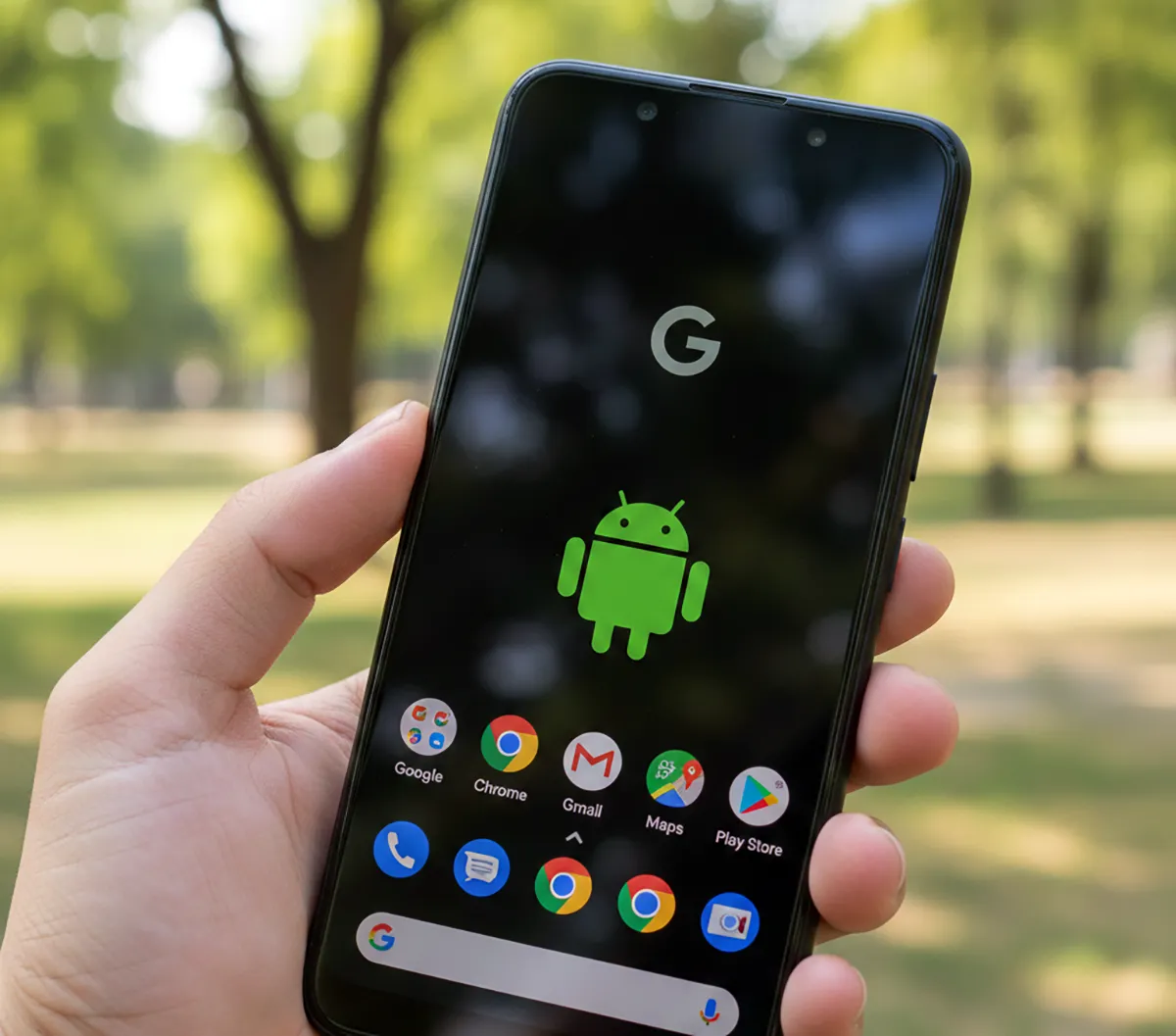
The order that now governs is the one from October 2024, not the withdrawn proposal, so its terms are the ones to look at.Google can no longer require developers to use Google Play Billing for in-app purchases, and developers may direct users to payment options outside the app rather than being kept inside Google's system. On the distribution side, rival app stores began gaining access to the Play Catalog in the United States on July 22, 2026 — the change that makes the order visible to ordinary Android users rather than only to developers.
What the injunction does not do is set prices. It removes requirements that channeled transactions through Google's billing and its store; whether that produces cheaper apps or subscriptions depends on what developers do with the freedom, and the order guarantees nothing on that front.
What Happens Next
With the settlement withdrawn, the case sits on the existing injunction rather than on a pending approval decision. Google has previously pursued appellate review of the underlying judgment, and compliance disputes over an injunction of this scope are common, so further proceedings are plausible. Nothing in the public record establishes a specific next hearing date, and no claim process exists to open.The practical status is stable: there is nothing to file in Epic's case, and the separate $700 million consumer settlement is where Play Store money has actually been paid.
Frequently Asked Questions
Is there any money for consumers in the Epic v. Google case?
No. Epic sought injunctive relief — changes to how Google runs the Play Store — not damages, and Epic asked for no money for itself. The consumer money over Play Store pricing came from a separate case brought by state attorneys general and consumers, which produced a $700 million settlement that has been finally approved and is distributing payments.
Why would both sides withdraw a settlement they had agreed to?
The proposed settlement needed the Court's approval to replace the existing injunction, and Judge Donato had publicly questioned whether it served the public interest, setting an evidentiary hearing to decide. Withdrawing it ended that review. Neither company is obliged to explain the decision, and any account of their reasoning beyond the filing itself is inference rather than fact.
What changes for Android users?
The changes are structural rather than something a user claims. Under the injunction Google cannot require its own billing system for in-app purchases, developers may point users to payment options outside the app, and from July 22, 2026 rival app stores began gaining access to the Play Catalog in the United States. Whether that produces lower prices is not something the injunction guarantees.
Does this affect Apple's App Store?
Not directly. Epic's case against Apple was a separate lawsuit with a different outcome, and this injunction binds Google. The two cases are frequently discussed together because Epic brought both, but a ruling in one does not decide the other.
Sources
- Epic Games, Inc. v. Google LLC, U.S. District Court for the Northern District of California (Judge James Donato) — October 2024 permanent injunction
- Joint withdrawal of the proposed settlement, filed July 15, 2026
- Google Play Console Help — policy updates for developers serving users in the US
- Reuters and Fortune reporting on the November 2025 proposed settlement terms and the Court's response