Investors who bought Robinhood shares in its July 2021 IPO are pursuing a proposed class action alleging the offering documents left out material second-quarter results, and the U.S. Supreme Court agreed on November 13, 2026 to decide whether that omission alone can support liability. No class has been certified and there is nothing to claim.

Allegations Only · No Settlement Yet
This article describes a securities class action and a Supreme Court appeal. The investors’ claims are unproven allegations. Robinhood has not been found liable, there is no certified class, and there is nothing to claim at this time. This page is informational and is not legal advice.
What Happened?
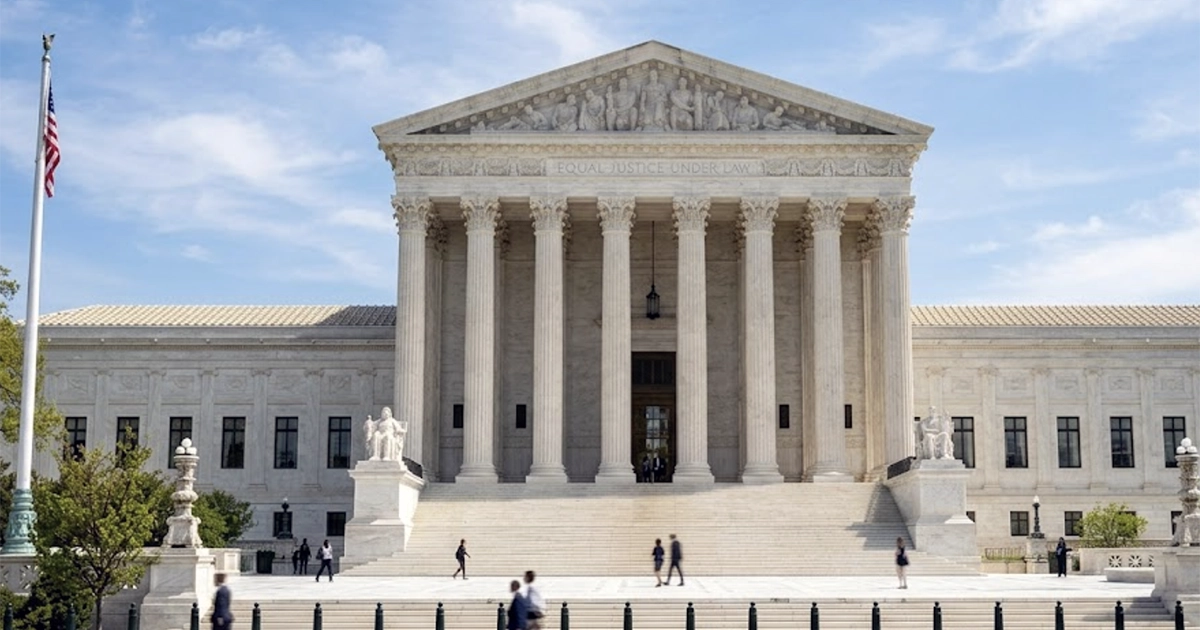
On Friday, November 13, 2026, the U.S. Supreme Court granted review in Robinhood Markets, Inc. v. Sodha, No. 25-944. The Court agreed to hear one of the two questions Robinhood raised. It will decide whether a company can be liable under the “misleading omissions” part of Section 11(a) of the Securities Act of 1933 for leaving material interim financial results out of its offering documents, without a separate finding that the omission made any statement in those documents misleading.The Court declined Robinhood’s second question, about whether Item 303 of Regulation S-K requires companies to disclose interim results before the normal quarterly reporting deadline. The Ninth Circuit’s ruling on that issue, which sent it back to the trial court under a different standard, is not part of the Supreme Court’s review.
Free settlement alerts
Get notified when new class actions open to claims
Join thousands of readers who get the latest class action settlements you may qualify for — delivered straight to your inbox.
What the Investors Allege
The lawsuit was filed in December 2021 in the U.S. District Court for the Northern District of California as Golubowski v. Robinhood Markets, Inc., No. 3:21-cv-09767, before Judge Edward M. Chen. The investors sued Robinhood, several of its officers and directors, and the banks that underwrote the IPO, including Goldman Sachs, J.P. Morgan and Barclays, under Sections 11, 12(a)(2) and 15 of the Securities Act.Robinhood’s registration statement became effective July 28, 2021, and the shares were priced at $38 on July 30. The investors allege the documents left out interim second-quarter 2021 information showing declines in key performance measures and in revenue tied to “meme stock” and Dogecoin trading. On October 26, 2021, Robinhood reported third-quarter total net revenue down 35% and average revenue per user down 42% from the second quarter, and the stock fell about 10%, according to the Ninth Circuit’s opinion. Robinhood disputes that its offering documents were misleading.
How the Case Reached the Supreme Court
- January 2024: the district court dismissed the investors’ second amended complaint with prejudice.
- August 29, 2025: a divided Ninth Circuit panel, in Sodha v. Golubowski, No. 24-1036, affirmed in part, vacated in part and sent the case back. The majority agreed with the Second Circuit that the offering documents had to disclose material interim information, rejected the First Circuit’s stricter “extreme departure” test, and held the district court used the wrong standard under Item 303. Judge Johnnie B. Rawlinson dissented in part, concluding the prospectus was not misleading in light of its risk disclosures.
- February 5, 2026: Robinhood and the other defendants petitioned the Supreme Court.
- June 1, 2026: the Court asked the Solicitor General for the federal government’s views, and the United States filed a brief on October 7, 2026.
- November 13, 2026: the Court granted review on the first question.
Why It Matters for Securities Class Actions
Section 11 lets IPO buyers sue over a material misstatement or omission in a registration statement without proving the company meant to mislead them, which makes it a common basis for class actions after a stock falls following an offering. The federal appeals courts have split on when a company must disclose results for a quarter that is underway but not yet reported. The Supreme Court’s answer will shape how much interim information companies put in offering documents and how readily IPO investors can bring these suits.What Happens Next
The parties will file merits briefs, and the Court will schedule oral argument. No argument date had been set as of November 15, 2026. Nothing is available to investors unless the case later settles or wins and a court approves a claim process.Questions
What did the Supreme Court decide to review in the Robinhood IPO case?
On November 13, 2026, the Court granted Robinhood’s petition limited to one question: whether a company can be liable under the misleading-omissions prong of Section 11(a) of the Securities Act for failing to disclose material interim financial information, without a separate inquiry into whether the omission made any statement in the offering documents misleading. It declined to take Robinhood’s second question, about Item 303 of Regulation S-K.
Can Robinhood investors file a claim in the IPO lawsuit?
No. The case is at the pleading stage. The investors’ claims are allegations that no court has upheld on the merits, no class has been certified, and there is no settlement or claim form.
How did the lower courts rule in the Robinhood IPO case?
The federal district court in San Francisco dismissed the investors’ complaint with prejudice in January 2024. In August 2025, a divided Ninth Circuit panel affirmed in part, vacated in part and sent the case back, holding that the registration statement had to disclose material interim information and that the district court applied the wrong standard under Item 303.
When will the Supreme Court decide the Robinhood case?
No argument date had been set as of November 15, 2026. Cases granted in the fall are often argued in the following spring and decided by the end of the Court’s term, but the Court has not announced a schedule for this one.
Sources
- Supreme Court docket, No. 25-944
- Question presented, with the limited grant of November 13, 2026
- Ninth Circuit opinion, Sodha v. Golubowski, No. 24-1036 (Aug. 29, 2025)