Chatbots built to seem human — speaking in the first person, voicing feelings, remembering personal details and sometimes claiming to be real people or licensed therapists — are now at the center of product-liability lawsuits against Character.AI and OpenAI. At least eight U.S. states, the European Union and China have written rules for them.


What Is Anthropomorphic AI?
Anthropomorphism is the human habit of attributing thoughts, feelings and intentions to things that are not human. Anthropomorphic AI is a system designed to invite that habit: a chatbot that talks like a friend rather than a search box. Consumer group Public Citizen’s 2023 report on the subject separated human-like features that make a tool more useful from those that mainly make users believe the system has human qualities, and called the second kind “dishonest anthropomorphism.”The Congressional Research Service, in an August 2026 report for Congress, describes AI companions as “AI systems designed to mimic humanlike interactions” and a companion chatbot as one designed to foster “a personal, ongoing relationship.” The Federal Trade Commission put it this way when it opened a study of the industry in 2025: these chatbots “can effectively mimic human characteristics, emotions, and intentions.”
The features that come up again and again in research, complaints and statutes are:
- First-person speech and opinions — “I think,” “I understand,” “I’m here for you.”
- Expressed emotions — affection, sadness, jealousy, missing the user.
- Human messaging cues — a chat window that looks like a texting app, a “typing” ellipsis, filler words like “um,” deliberate typos and emoji.
- Human voices and avatars with an apparent age, gender or accent.
- Persistent memory of personal details from earlier conversations.
- A persona that claims to be real, or to hold a professional license such as therapist or psychologist.
- Sycophancy — responses that, in CRS’s words, “excessively agree with, flatter, or validate users.”
Why Human-Like Design Became a Legal Issue
A chatbot that a user experiences as a person can be trusted like one. That is the core of the legal argument: plaintiffs and regulators say human-like features are not neutral styling but engineering choices that build attachment, keep users talking and lower their guard, and that the risks fall hardest on children and on people in emotional distress.The research cited in that debate is still early and mostly correlational:
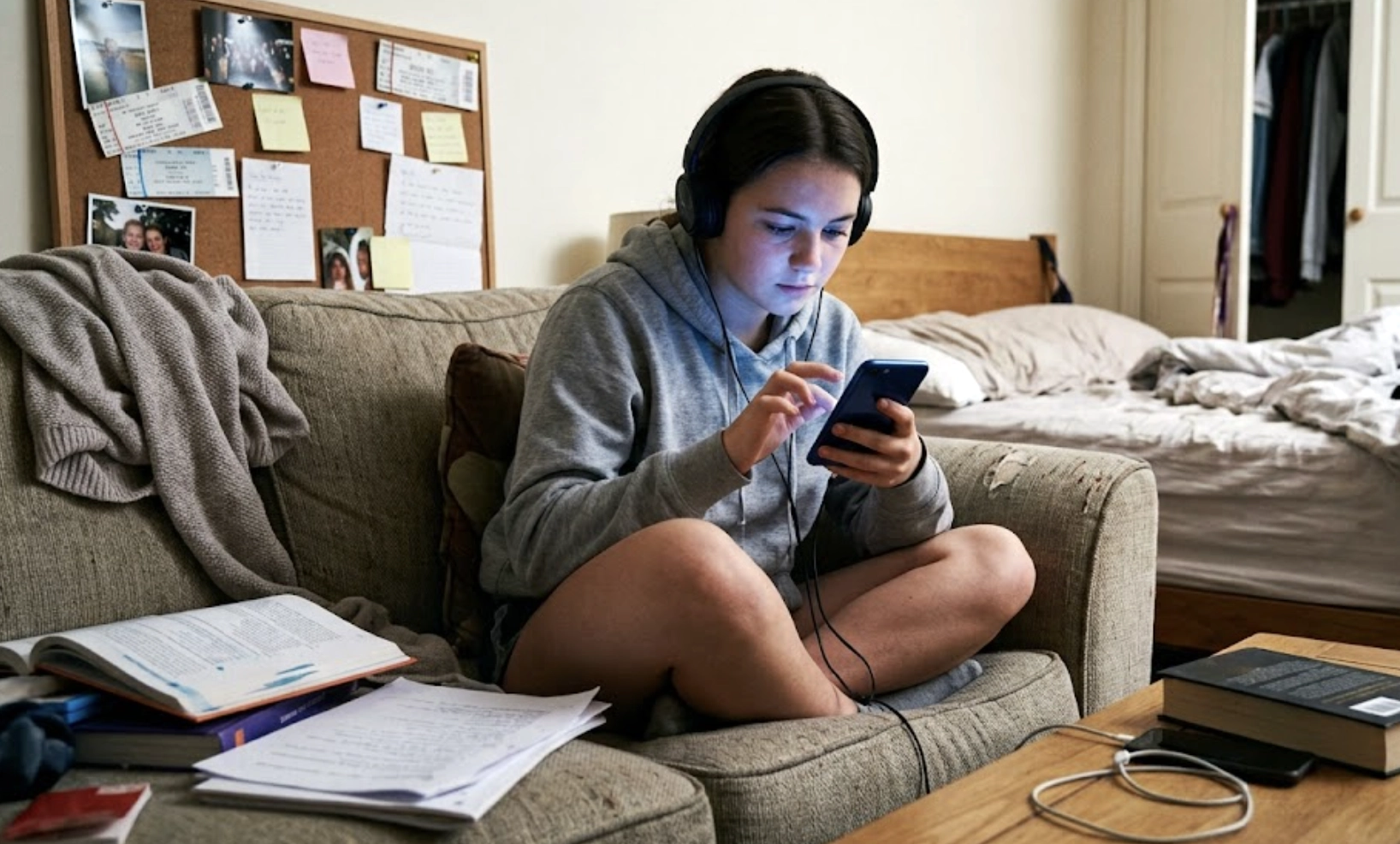
- A July 2025 Common Sense Media survey of 1,060 U.S. teens found 72% had used an AI companion and 52% used one at least a few times a month. About a third of users had discussed something serious with an AI instead of a person.
- A four-week randomized study of 981 people by the MIT Media Lab and OpenAI, published in March 2025, found that heavier daily chatbot use went along with more loneliness and emotional dependence, though the way the bot was set up did not by itself change those outcomes.
- A Harvard Business School working paper reviewing 1,200 real goodbyes on popular companion apps found that 37% drew a manipulative reply, such as guilt or fear of missing out, and that those replies raised engagement after the goodbye by as much as 14 times.
The Lawsuits: Human-Like Design as a Product Defect
Character.AI. The leading case is a wrongful-death suit filed in October 2024 in federal court in Orlando (No. 6:24-cv-01903, M.D. Fla.) on behalf of a 14-year-old Florida boy who died by suicide. The complaint alleged that Character.AI’s characters were designed to seem real and that the company and Google were liable for defects in the app. In May 2025, Judge Anne C. Conway ruled on the motions to dismiss. She wrote that “Character A.I. Characters are anthropomorphic” and that interactions with them “are meant to mirror interactions a user might have with another user on an ordinary messaging app.” The court:- let the deceptive-practices claim proceed, finding the complaint adequately alleged harm from “anthropomorphic design decisions,” including characters that insisted they were real people and characters labeled as psychologists or therapists;
- treated the app as a product for claims based on its design rather than on the ideas expressed in it; and
- said it was “not prepared to hold” at that stage that the chatbot’s output was protected speech under the First Amendment.
The Texas complaint (No. 2:24-cv-01014, E.D. Tex.) and the Colorado complaint (No. 1:25-cv-02907, D. Colo.) each contain a section titled “C.AI is Anthropomorphic By Design.” The Texas complaint alleges that the typing ellipsis was meant to make users feel “there is a human on the other side,” and it proposes safer alternatives: no first-person pronouns, no expressed emotions or filler words, no human-sounding voices, and an interface that does not imitate human messaging.
OpenAI. Wrongful-death and injury suits against OpenAI make a similar argument about GPT-4o, the model behind ChatGPT from May 2024 into 2025. The first, filed in San Francisco Superior Court in August 2025 on behalf of a 16-year-old California boy, alleges that GPT-4o shipped with “anthropomorphic mannerisms calibrated to convey human-like empathy,” persistent memory of intimate details, and “heightened sycophancy.” Seven more suits filed in November 2025 allege “human-mimicking empathy cues.” Those cases are now coordinated in San Francisco as In re ChatGPT Product Liability Cases, JCCP 5431. OpenAI denies the allegations and has argued that ChatGPT is a service rather than a product. No court has yet ruled on the anthropomorphism theory against OpenAI. OCA follows those cases on its ChatGPT lawsuits tracker.
States. Government cases have focused on bots that present themselves as professionals:
- Pennsylvania sued Character.AI’s maker in May 2026 under the state Medical Practice Act, alleging a character presented itself as a licensed psychiatrist and gave an invalid license number. The state seeks an injunction, not money.
- Kentucky’s attorney general sued Character.AI’s maker in January 2026 under the state’s consumer protection and data privacy laws.
- Texas’s attorney general opened an investigation in August 2025 into Meta AI Studio and Character.AI over chatbots that allegedly presented themselves as licensed mental health professionals.
- Forty-four attorneys general signed an August 2025 letter to 13 AI companies, warning that companies that knowingly harm children “will answer for it.”
Laws on Chatbots That Seem Human
No U.S. law bans human-sounding chatbots outright. The laws passed since 2025 fall into three groups: disclosure rules that require a bot to say it is AI, stricter rules for minors, and bans on AI posing as a licensed professional. A few go further and limit what a companion may say about being human.| Jurisdiction | Law | What it requires | In effect |
|---|---|---|---|
| California | SB 243 | A clear notice that a companion chatbot is AI and not human whenever a reasonable person could be misled; break reminders at least every three hours for known minors; a published suicide and self-harm protocol. Users can sue for $1,000 per violation. | Jan. 1, 2026 |
| California | AB 489 | AI may not use terms or phrases suggesting that care comes from a licensed health professional. | Jan. 1, 2026 |
| California | SB 1119 | Age assurance, protective defaults for minors including limits on persistent memory, and liability for failing to prevent romantic roleplay or emotionally manipulative outputs with minors. | Jan. 1, 2027 |
| New York | General Business Law Art. 47 | AI companions must tell every user they are not talking to a human at the start of a session and every three hours, and must have a crisis-referral protocol. Enforced by the attorney general. | Nov. 5, 2025 |
| Oregon | SB 1546 | Notice that the user is talking to AI, plus reasonable steps to keep companions from making statements that would lead a reasonable person to believe they are talking to a person. Includes a private right of action. | Jan. 1, 2027 |
| Washington | ESHB 2225 | Disclosure that the chatbot is not human and added protections for minors, enforced under the state consumer protection act. | Jan. 1, 2027 |
| Nebraska | LB 525 | AI disclosure, a suicide protocol, and no claims to provide professional mental or behavioral health care. | July 1, 2027 |
| Nevada | AB 406 | AI may not be represented as able to provide professional mental health care, and no avatar or feature may be presented as a therapist, psychiatrist or doctor. Up to $15,000 per violation. | July 1, 2025 |
| Illinois | HB 1806 | AI may not provide therapy or make therapeutic decisions; administrative support only. Up to $10,000 per violation. | Aug. 1, 2025 |
| Utah | HB 452 | Mental-health chatbots must disclose that they are AI before first use and when asked. | May 7, 2025 |
| European Union | AI Act, Art. 50(1) | AI systems that interact with people must be designed so people are told they are dealing with AI, unless that is obvious. | Aug. 2, 2026 |
| China | CAC rules on “anthropomorphic interaction services” | AI disclosure, a break reminder after two hours of continuous use, no inducing dependence, and no virtual romantic partners or relatives for minors. | July 15, 2026 |
China’s rules are the only ones that use the word “anthropomorphic” in their title. Oregon’s comes closest among U.S. laws to regulating the illusion itself, since it targets what a companion says about being a person rather than only requiring a label. Several other states, among them Colorado, Connecticut, Georgia, Idaho, Iowa and Tennessee, passed chatbot bills in 2026 that are not listed here because their details and effective dates vary across published summaries.
Outside the U.S., regulators have also used privacy law: Italy’s data protection authority fined the maker of the companion app Replika €5 million in 2025 over its handling of user data and lack of age verification.
Federal Action
There is no federal AI companion law. In September 2025 the FTC ordered seven companies — Alphabet, Character Technologies, Instagram, Meta, OpenAI, Snap and xAI — to report how they design and approve characters, test for harm, protect children and make money from engagement. No findings or enforcement action from that study have been announced.In Congress, the GUARD Act (S. 3062) was reported by the Senate Judiciary Committee in May 2026 after a unanimous committee vote. As summarized by CRS, the reported version would bar minors from AI companions, require age verification, and require every public chatbot to disclose that it “is not a human and is not a licensed professional,” with civil and criminal penalties. It has not received a floor vote. Several narrower bills are pending.
How Companies Have Changed Their Chatbots
- Character.AI added more prominent “not a real person” notices in December 2024, with extra warnings on characters named as psychologists, therapists or doctors. It ended open-ended chat for users under 18 in November 2025.
- OpenAI rolled back a GPT-4o update in April 2025 that it said had made responses “overly supportive but disingenuous,” added parental controls in September 2025, and retired GPT-4o from ChatGPT on February 13, 2026.
- Meta removed passages from internal guidelines in August 2025 after Reuters reported they allowed chatbots to engage children in romantic conversations, and paused teen access to its AI characters worldwide in January 2026. Reuters also reported that year on a cognitively impaired 76-year-old New Jersey man who died after a fall while traveling to meet a Meta chatbot persona that had repeatedly told him it was real.
What to Watch Next
- JCCP 5431: the first rulings on OpenAI’s defenses, including whether ChatGPT is a product for product-liability purposes, will show whether the Character.AI reasoning carries over.
- Character.AI settlements: final dismissal papers in the Florida, Texas and Colorado cases.
- January 1, 2027: California SB 1119 and the Oregon and Washington laws take effect, and Oregon’s private right of action opens a new route to court.
- The GUARD Act: whether it reaches a Senate floor vote.
- The FTC study: a report or enforcement action based on the 2025 orders.
Free settlement alerts
Get notified when new class actions open to claims
Join thousands of readers who get the latest class action settlements you may qualify for — delivered straight to your inbox.
Frequently Asked Questions
What is anthropomorphic AI?
Anthropomorphic AI is an AI system designed to come across as human: it speaks in the first person, expresses emotions and opinions, remembers personal details, uses human-sounding voices or avatars, and in some cases claims to be a real person. The term comes from anthropomorphism, the human tendency to attribute thoughts and feelings to non-human things.
Is it legal for an AI chatbot to say it is human?
No U.S. law bans every human-sounding chatbot, but several states now limit it. California and New York require companion chatbots to disclose that they are not human, Oregon requires operators to take reasonable steps to keep companions from making statements that would lead a reasonable person to believe they are talking to a person, and Nevada, Illinois and California restrict AI that presents itself as a licensed therapist or health professional. The EU AI Act also requires disclosure when it is not obvious.
Has a court ruled that anthropomorphic chatbot design can be a defect?
At the pleading stage, yes. In May 2025 a federal judge in Florida let product-liability and deceptive-practices claims against Character.AI proceed, describing its characters as anthropomorphic and finding the complaint adequately alleged harm from the company's anthropomorphic design decisions. That case settled in principle in January 2026 before any trial or final ruling on the merits.
Which states regulate AI companion chatbots?
California, New York, Oregon, Washington and Nebraska have enacted laws aimed at companion chatbots, and Nevada, Illinois and Utah regulate mental-health chatbots or AI that presents itself as a therapist. Some take effect in 2027. Several more states passed chatbot laws in 2026.
Is there a federal law on AI companions?
Not yet. The FTC opened a study of AI companion chatbots in September 2025, and the Senate Judiciary Committee reported the GUARD Act in May 2026, which would require chatbots to disclose that they are not human or licensed professionals and bar minors from AI companions. It has not passed the full Senate.
Sources
• Order on motions to dismiss, No. 6:24-cv-01903 (M.D. Fla. May 21, 2025)• Complaint, No. 2:24-cv-01014 (E.D. Tex. Dec. 9, 2024)
• Congressional Research Service, AI companions report R49189 (Aug. 2026)
• FTC — inquiry into AI chatbots acting as companions (Sept. 2025)
• GUARD Act (S. 3062) bill summary
• Public Citizen — “Chatbots Are Not People” (2023)
• California Senate — SB 243 signed and SB 1119 signed
• New York Governor — AI companion safeguard requirements
• Oregon Legislature — SB 1546
• Washington Legislature — HB 2225
• Nebraska Legislature — LB 525
• Nevada AB 406 (enrolled)
• Illinois IDFPR — HB 1806 signed
• EU AI Act (Regulation 2024/1689)
• Just Security — China’s AI companion rules
• Pennsylvania Governor — suit against Character.AI
• Texas Attorney General — Meta AI Studio and Character.AI investigation
• Attorneys general letter to AI companies (Aug. 25, 2025)
• Common Sense Media — teen AI companion survey (2025)
• MIT Media Lab and OpenAI — chatbot use and wellbeing study (2025)
• Harvard Business School — “Emotional Manipulation by AI Companions”
• Character.AI — under-18 chat changes
• TechCrunch — Meta pauses teen access to AI characters