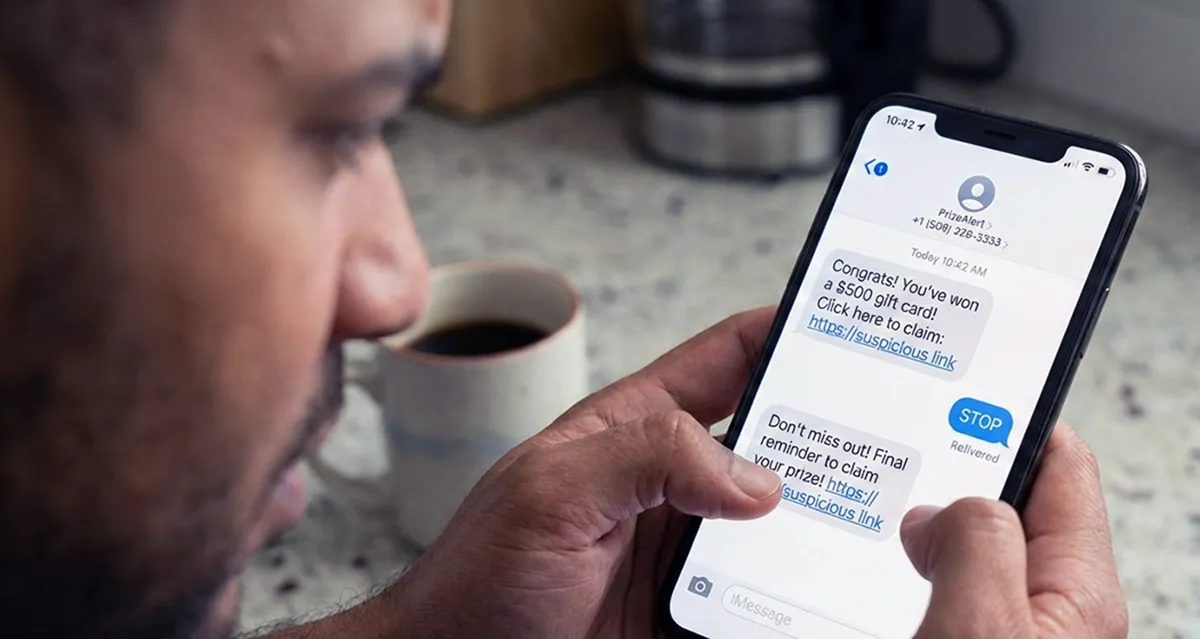
People who received more than one Blue Nile marketing text in a year, either before 8 a.m. or after 9 p.m. or while their number was on the Do Not Call Registry, may be covered by a proposed class action alleging Blue Nile violated the Telephone Consumer Protection Act. No class has been certified and there is nothing to file yet.


Allegations Only · No Settlement Yet
This article describes a class action complaint. The statements below are unproven allegations. Blue Nile, Inc. has not been found liable, there is no certified class, and nothing to claim at this time. This page is informational and is not legal advice.
What Is This About?
Blue Nile, Inc., the online diamond and fine jewelry retailer, was sued on November 13, 2026, in a proposed class action in the U.S. District Court for the Central District of California, Relph v. Blue Nile, Inc., No. 8:26-cv-03359. The plaintiff, an Orange County resident, alleges that Blue Nile sent her repeated marketing texts in the early morning, before the 8 a.m. start of the quiet hours set by federal telemarketing rules, to a cell phone number that has been on the National Do Not Call Registry since 2008.The complaint says she never gave Blue Nile written permission to text her and had no current business relationship with the company, having made no purchase in the prior 18 months and no inquiry in the prior three months. Blue Nile has not yet responded in court, and no judge has ruled.
Free settlement alerts
Get notified when new class actions open to claims
Join thousands of readers who get the latest class action settlements you may qualify for — delivered straight to your inbox.
What Does the Complaint Allege?
The complaint lists 15 texts the plaintiff says she received in San Clemente between December 2, 2024 and April 15, 2025, all sent between 6:41 a.m. and 7:37 a.m. Pacific time. It says each came from the short code 97386, identified Blue Nile by name, promoted its products, linked to bluenile.com and included opt-out instructions, and that none was informational or transactional. The plaintiff alleges that Blue Nile sent the texts itself or through a vendor acting on its behalf.The suit brings two claims under the Telephone Consumer Protection Act: that the texts violated the FCC rule barring telephone solicitations before 8 a.m. or after 9 p.m. local time, and that they violated the rule against solicitations to numbers on the National Do Not Call Registry for at least 30 days. The law lets a person who receives more than one violating solicitation from the same company within 12 months recover up to $500 per violation, or up to three times that for willful or knowing violations.
Who Would Be in the Classes?
The complaint proposes two nationwide classes covering the four years before the suit was filed through class certification:- After-hours class: people who received more than one Blue Nile marketing text within 12 months on a cell phone used as a residential line, with at least one sent before 8 a.m. or after 9 p.m. in their local time.
- Do Not Call class: people who received more than one Blue Nile marketing text within 12 months after their number had been on the National Do Not Call Registry for at least 30 days.
What Happens Next?
Blue Nile will be served and will respond. In TCPA text cases, defendants often argue that the recipient consented, that a business relationship existed, or that the number was not used as a residential line, and some file a motion to dismiss or to compel arbitration. Any payment would come only from a later settlement or judgment approved by the court; there is no claim form, settlement or deadline now.Questions
What texts does the Blue Nile lawsuit challenge?
The complaint lists 15 Blue Nile marketing texts the plaintiff says she received in San Clemente, California, between December 2, 2024 and April 15, 2025, each sent between 6:41 a.m. and 7:37 a.m. Pacific time. It says the texts came from short code 97386, named Blue Nile, promoted its products and linked to bluenile.com.
What is the TCPA quiet-hours rule?
Under FCC rules implementing the Telephone Consumer Protection Act, telephone solicitations may not be made to a residential subscriber before 8 a.m. or after 9 p.m. in the recipient’s local time, and courts have treated marketing texts as calls. A person who receives more than one violating solicitation from the same company within 12 months may sue for up to $500 per violation, or up to three times that for willful or knowing violations.
Who would be in the Blue Nile classes?
The complaint proposes two nationwide classes covering the four years before the suit was filed: people who received more than one Blue Nile marketing text within 12 months with at least one sent before 8 a.m. or after 9 p.m. local time, and people who received more than one within 12 months after their number had been on the National Do Not Call Registry for at least 30 days.
Is there a Blue Nile settlement to claim?
No. The lawsuit was filed November 13, 2026, no class has been certified and there is no settlement, claim form or deadline.
Sources
- Class Action Complaint and docket, Relph v. Blue Nile, Inc., No. 8:26-cv-03359 (C.D. Cal., filed Nov. 13, 2026)