People who got Marc Jacobs marketing texts before 8 a.m. or after 9 p.m. may be covered by a proposed class action alleging Marc Jacobs International sent promotional texts during federally restricted hours and kept texting after a STOP reply. No class has been certified and there is nothing to file yet.

Allegations Only · No Settlement Yet
This article describes a class action complaint. The statements below are unproven allegations. Marc Jacobs International, L.L.C. has not been found liable, there is no certified class, and nothing to claim at this time. This page is informational and is not legal advice.
What Is This About?
Marc Jacobs International, L.L.C., the fashion and accessories company that does business as Marc Jacobs, was sued on October 6, 2026 in the U.S. District Court for the Central District of California. The case is Botto v. Marc Jacobs International, L.L.C., No. 2:26-cv-11600.The complaint, brought by a Los Angeles County resident, says Marc Jacobs sent promotional text messages to consumers’ cell phones, including messages sent before 8 a.m. or after 9 p.m. local time. It also says the company kept texting her after she replied with a stop request. It claims both practices violate the Telephone Consumer Protection Act. Marc Jacobs has not responded, and the court has not ruled.
Free settlement alerts
Get notified when new class actions open to claims
Join thousands of readers who get the latest class action settlements you may qualify for — delivered straight to your inbox.
What the Lawsuit Alleges
According to the complaint:- Marc Jacobs sent marketing texts advertising its products to consumers, including texts sent before 8 a.m. or after 9 p.m. at the recipient’s location
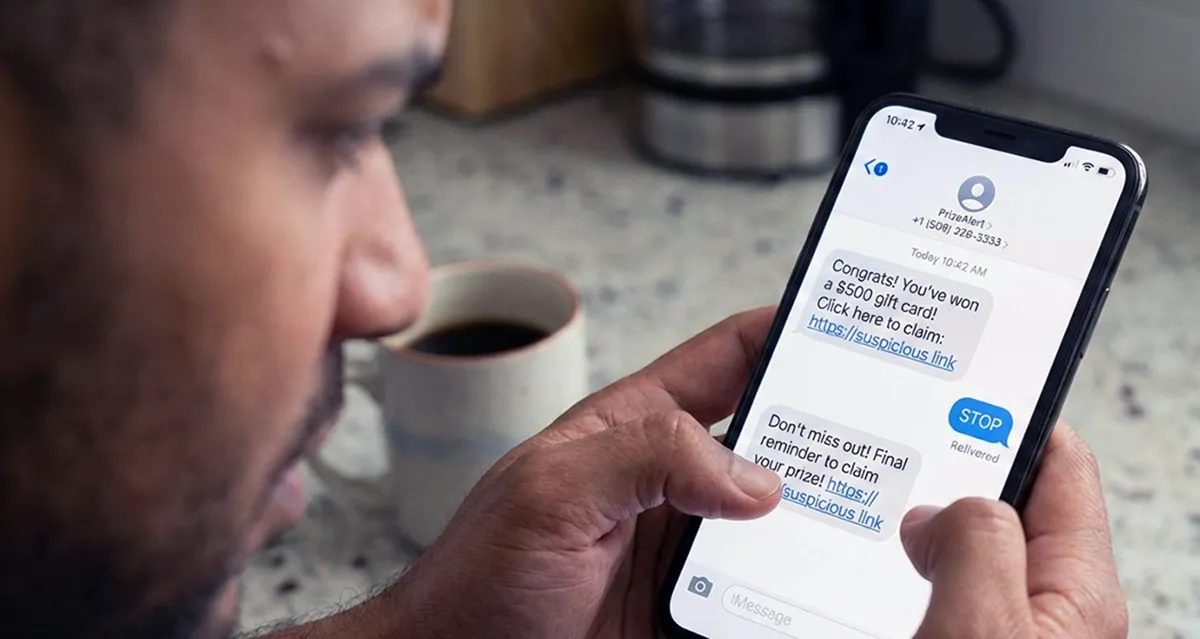
- On or about July 8, 2025, the named plaintiff replied to the texts with a stop request, and Marc Jacobs sent her at least two more marketing texts afterward
- The texts were promotional, not informational or transactional, and went to a cell phone she uses as her personal, residential line
- Marc Jacobs did not have working procedures for recording and honoring opt-out requests
The complaint attaches screenshots of the messages. None of the allegations has been tested in court.
The Rules the Complaint Relies On
The TCPA treats a text message as a call. Two Federal Communications Commission rules are at the center of this case. One bars telephone solicitations to residential subscribers before 8 a.m. or after 9 p.m. local time. The other requires anyone sending telemarketing to keep an internal do-not-call list, train staff on it, and honor a consumer’s request to stop within a reasonable time, no more than 30 days. The FCC applies both rules to cell phones. The law lets a person who receives more than one violating call or text in a 12-month period sue for $500 per violation, or up to $1,500 if the violation was willful or knowing.The complaint invokes both rules. Its proposed class is defined around texts sent outside the 8 a.m. to 9 p.m. window, while its single count is framed around the do-not-call procedures rule and the ignored stop request. How that fits together is likely to be tested if Marc Jacobs moves to dismiss.
Who Is in the Proposed Class?
The complaint proposes one nationwide class: people in the United States who, from four years before the case was filed through class certification, received more than one Marc Jacobs telephone solicitation text within any 12-month period on a cell phone used as a residential line, where at least one of those texts was sent before 8 a.m. or after 9 p.m. their local time. Marc Jacobs, its affiliates and their officers and employees are excluded. The complaint estimates the class at least in the hundreds or thousands. A court would have to certify the class before anyone is formally part of the case.What the Lawsuit Seeks
The complaint asks for $500 in statutory damages per violation, up to $1,500 per violation if the court finds it was willful or knowing, an order barring Marc Jacobs from sending solicitations before 8 a.m. or after 9 p.m., and costs and interest. Those are requests, not amounts anyone has been awarded.One of Many Quiet-Hours Text Lawsuits
Suits over marketing texts sent outside the 8 a.m. to 9 p.m. window have become common, often against retail brands with large text lists. OCA covered a similar complaint against Fashion Nova, and suits over texts that kept coming after a STOP reply have been filed against LA Fitness and CVS ExtraCare. Courts are split on whether texts count. On July 14, 2026, in Steidinger v. Blackstone Medical Services, the Seventh Circuit held that a text message is not a “telephone call” under the TCPA provision both of these rules are enforced through, ending federal do-not-call and quiet-hours text suits in Illinois, Indiana and Wisconsin, as explained in OCA’s report on that ruling. This case is in California, in the Ninth Circuit, where that decision is not binding.What Happens Next
Marc Jacobs must be served and respond to the complaint, which in similar cases has often meant a motion to dismiss. Whether a class is ever certified is a separate, later question. If this case reaches a class settlement, a court-approved notice would explain who qualifies and how to file a claim. Every TCPA case OCA follows is listed on the TCPA class actions page.Questions
Is there a Marc Jacobs text message class action?
Yes. Botto v. Marc Jacobs International, L.L.C., No. 2:26-cv-11600, was filed on October 6, 2026 in the U.S. District Court for the Central District of California. It is at the complaint stage. No class has been certified, there is no settlement, and there is nothing to claim yet.
What does the Marc Jacobs lawsuit claim?
The complaint says Marc Jacobs sent promotional text messages to consumers, including messages sent before 8 a.m. or after 9 p.m. local time, and kept texting the named plaintiff after she replied with a stop request in July 2025. It argues this violated the Telephone Consumer Protection Act and FCC telemarketing rules.
Who is in the proposed Marc Jacobs class?
The complaint proposes a nationwide class of people who, in the four years before the case was filed or later, received more than one Marc Jacobs marketing text within a 12-month period on a cell phone used as a residential line, where at least one of the texts was sent before 8 a.m. or after 9 p.m. their local time. A court has not certified the class.
How much money is the Marc Jacobs lawsuit seeking?
The TCPA provides statutory damages of $500 per violation, and up to $1,500 if a court finds the violation was willful or knowing. The complaint asks for those amounts for each class member, plus an order stopping the texts. They are requests, not amounts anyone has been awarded.
Sources
• Class Action Complaint, Botto v. Marc Jacobs International, L.L.C., No. 2:26-cv-11600 (C.D. Cal., filed October 6, 2026): complaint (PDF) and docket.• FCC telemarketing rules: 47 C.F.R. § 64.1200.